
Jio Updates Rs. 349 Prepaid Plan with Extended Validity Following Price Increase
Jio Revises Rs. 349 Prepaid Plan with 30-Day Validity After Price Adjustment Devamını Oku

Jio Revises Rs. 349 Prepaid Plan with 30-Day Validity After Price Adjustment Devamını Oku
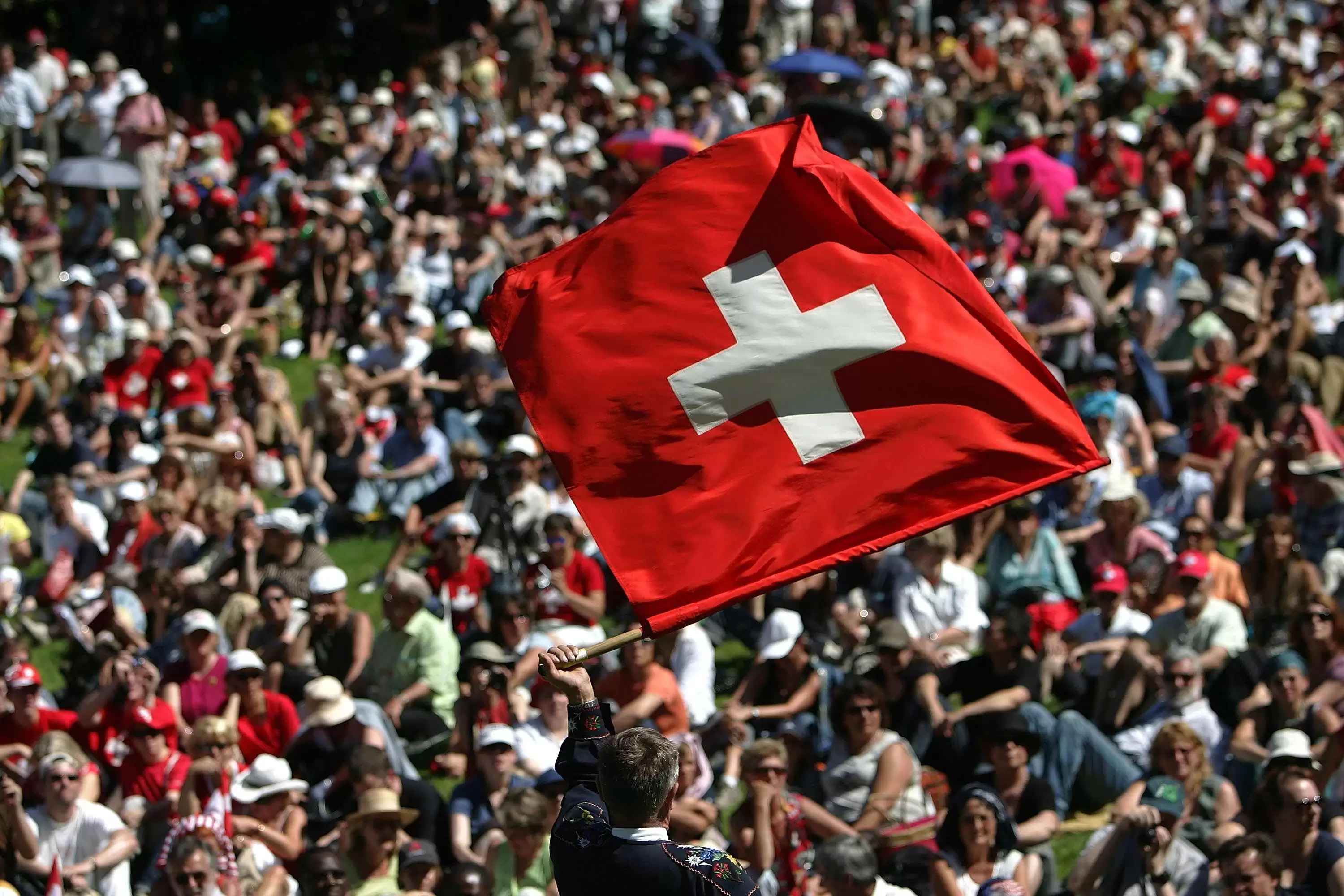
Nestled between Switzerland and Italy, the newly inaugurated Walserweg Gottardo hiking trail offers more than just breathtaking Alpine vistas; it unravels the story of the Walser, a people whose history has long been overshadowed by the grandeur of the High Alps.
Spanning 210 kilometers, the Walserweg Gottardo is more than a physical journey—it’s a voyage through time. Opened in May 2024, the trail follows the migration route of the Walser, who trekked across the Alps from their ancestral home in Valais to settle in Grisons and beyond during the 12th to 14th centuries.

The Walser, originally from the Canton of Valais in southwestern Switzerland, were shepherds, cattle breeders, and subsistence farmers. They settled in remote mountain villages, preserving their unique culture and language, which remains largely unintelligible to Standard German speakers. Their migration, known as Walserwanderungen, remains shrouded in mystery. Historians debate whether it was driven by overpopulation, feudal pressures, or other factors.
During my hike on the Walserweg Gottardo, I was struck by the sheer difficulty of the terrain that the Walser once navigated with livestock and possessions. Starting in the village of Binn, the trail ascends through the high-altitude Albrunpass, a route that the Walser used centuries ago. The landscape is rugged and sparsely populated, with snowy gullies and steep paths that challenge even the most seasoned hikers.
In villages like Riale, known as Chärbach in Walsertitsch, the traditional blockbau homes and local cuisine—such as Bettelmatt cheese and gnocchi Walser—offer a glimpse into Walser life. These remote settlements, often cut off by heavy snowfall, have managed to retain their cultural identity through isolation and resilience.
One of the trail’s highlights is the Walserhaus Museum in Bosco Gurin, one of Switzerland’s oldest surviving Walser settlements. The museum, founded in 1938, is a treasure trove of Walser artifacts, from hand-carved cradles to antique looms. It serves as a vital repository for Walser history and culture, which is increasingly at risk due to migration and changing lifestyles.
The Walserweg Gottardo not only celebrates the Walser’s historical migrations but also aims to support their culture in the present. With fewer than 50 permanent residents in Bosco Gurin today, initiatives like the trail are crucial for sustaining Walser traditions. The hope is that increased tourism and new opportunities will help maintain these unique communities.
The trail’s impact extends beyond preserving history; it fosters a connection between past and present. As hikers walk in the footsteps of the Walser, they help keep the culture alive and offer hope for the future of these remarkable Alpine communities.
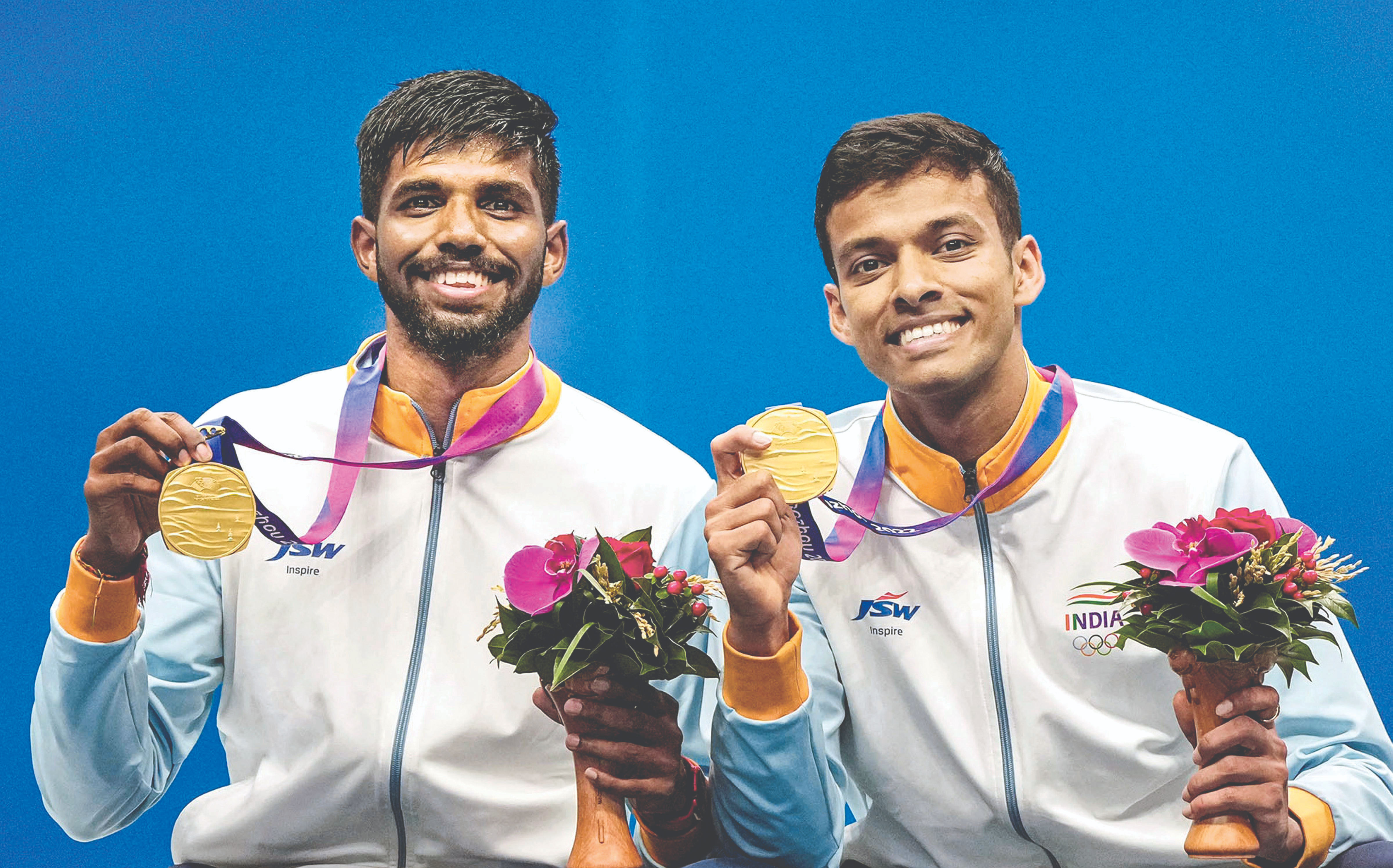
In 2008, Abhinav Bindra made history by winning India’s first individual Olympic gold in the men’s 10-meter air rifle event. His victory was seen as a potential turning point for India, a nation with a population exceeding 1.4 billion and a growing global presence. However, despite this landmark achievement, India has struggled to translate its vast potential into Olympic success.
At the 2024 Paris Olympics, India secured only six medals, a decline from its record seven medals at the 2021 Tokyo Games. In stark contrast, the United States, with a population of less than a quarter of India’s, led the medal tally with 126 medals, while China followed with 91. India ranked 71st, behind smaller nations like Georgia and North Korea, and has accumulated just 41 medals since its Olympic debut in 1900.
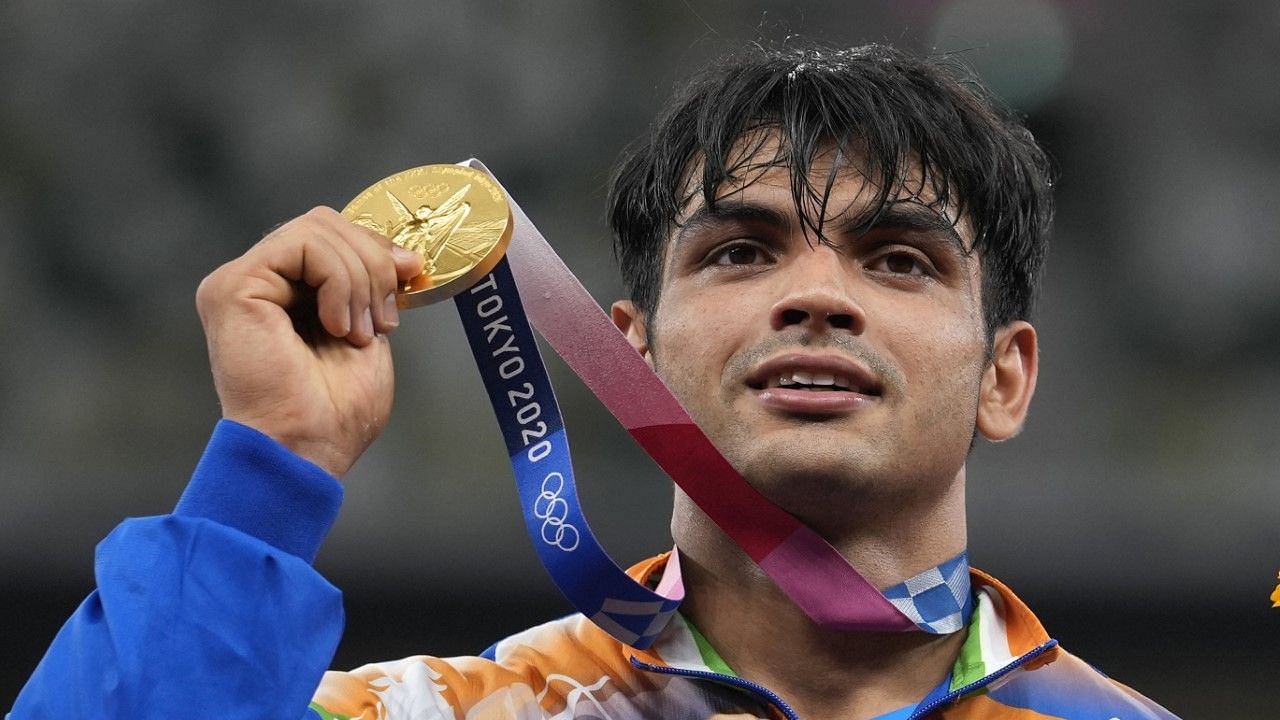
Experts attribute India’s underperformance to several key factors. Ronojoy Sen, author of “Nation at Play: A History of Sport in India,” highlights the country’s lack of investment in sports compared to traditional Olympic powerhouses. Unlike nations such as the USA and China, which view sports as integral to national pride and invest heavily from a young age, India has yet to establish a similarly robust national training program.
Further complicating the situation is the inadequate funding and limited access to sports facilities for many Indian athletes. Boria Majumdar, sports analyst and author of “Dreams of a Billion: India and the Olympic Games,” notes that while India’s population is vast, the majority of people lack access to adequate sports infrastructure. Additionally, India sends far fewer athletes to the Olympics compared to top-performing countries.
India also faces broader challenges related to health and nutrition. The 2023 Global Hunger Index ranks India 111th out of 125 countries, with the highest child wasting rate globally. These health issues hinder athletic development from a young age, making it difficult to achieve top-level performance in sports where success can be determined by mere milliseconds.
Women athletes in India face additional hurdles due to deep-seated patriarchy. Wrestler Sakshi Malik, who won bronze at the 2016 Rio Olympics, and other female athletes have faced significant challenges, including harassment and lack of support, which impact their ability to compete effectively.
Despite these challenges, India’s sports scene is seeing positive changes. The “Khelo India” program, launched by Prime Minister Narendra Modi, aims to revive sports culture by identifying and supporting young talent, particularly in rural areas. The Target Olympic Podium Scheme (TOPS) has also been revamped to provide better support for elite athletes. As of July 2024, nearly $260 million has been allocated to improve sports infrastructure through the Khelo India initiative.
The recent investments in sports and the push to host the 2036 Summer Games reflect India’s growing ambition in the Olympic arena. While current results may be disappointing, the nation’s efforts to improve sports infrastructure and increase support for athletes suggest that India could see better outcomes in future Games.