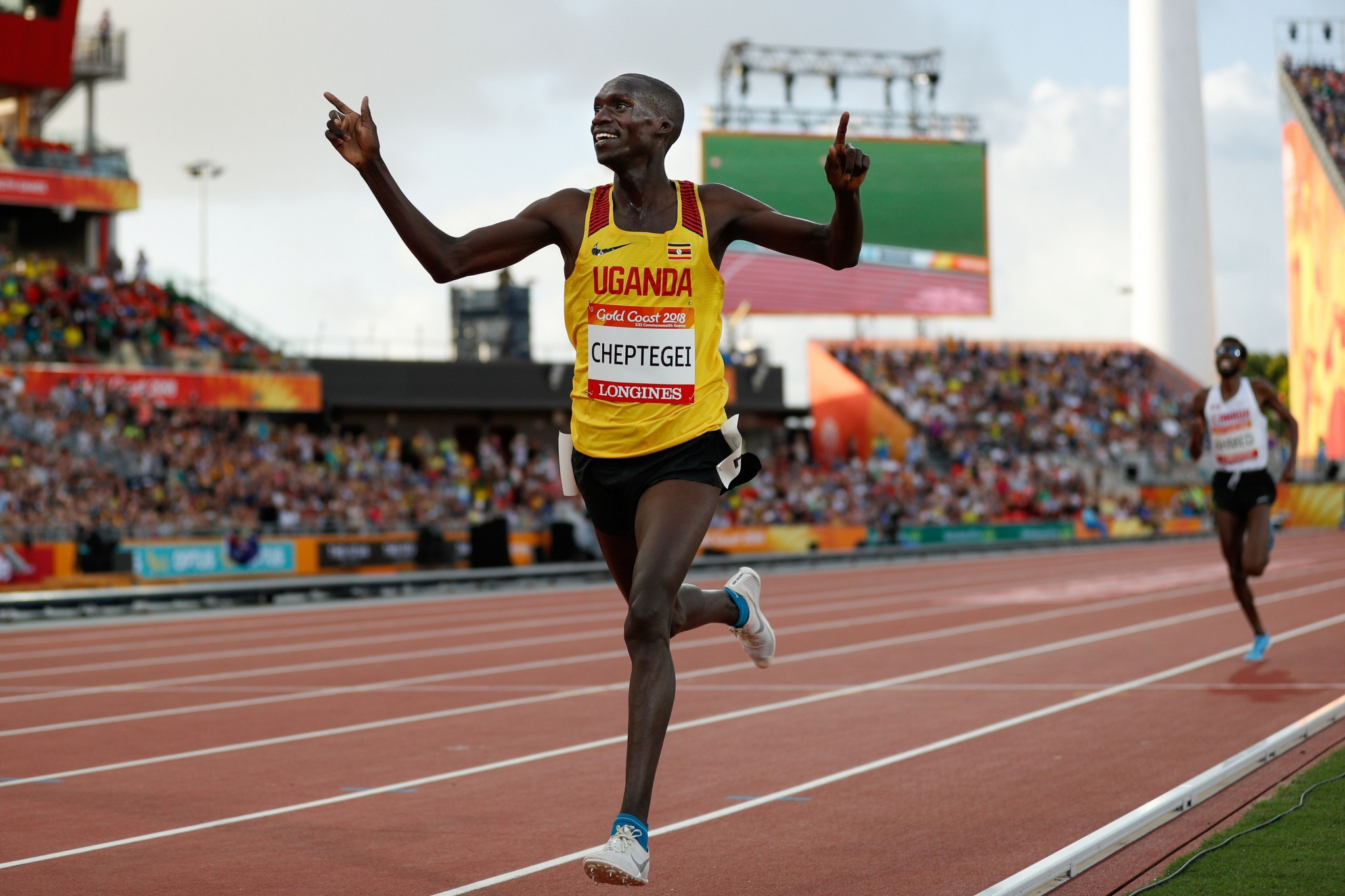
Olympic Runner Rebecca Cheptegei’s Tragic End After Defying Violent Ex-Boyfriend

Olympic marathon runner Rebecca Cheptegei, who represented Uganda in the Paris Olympics, was tragically murdered by her ex-boyfriend, Dickson Ndiema Marangach, on September 1st. Cheptegei, a 33-year-old mother of two, had ended her relationship with Marangach earlier this year due to repeated threats and violence. Despite reporting his abuse to the police multiple times, her pleas for help went unanswered, leaving her vulnerable to the fatal attack.

On the day of the murder, Marangach set Cheptegei on fire after dousing her in gasoline at her home in Kenya’s Kinyoro village. Both Cheptegei and Marangach later died from their injuries. Cheptegei’s 17-year-old sister, Dorcas, was also attacked with a machete while trying to defend her.

Cheptegei’s tragic death sheds light on the vulnerability of successful female athletes in Kenya’s patriarchal society, where women who achieve financial independence often become targets for predatory men. Her death is the third in Kenya’s running community since 2021, following the murders of Agnes Tirop and Damaris Mutua, also allegedly killed by their romantic partners.

Despite her success as an athlete and her efforts to escape her abusive relationship, Cheptegei was failed by the authorities who failed to act on her repeated complaints. Activists in Kenya are decrying the ongoing lack of accountability for violence against women, particularly in the sports community.
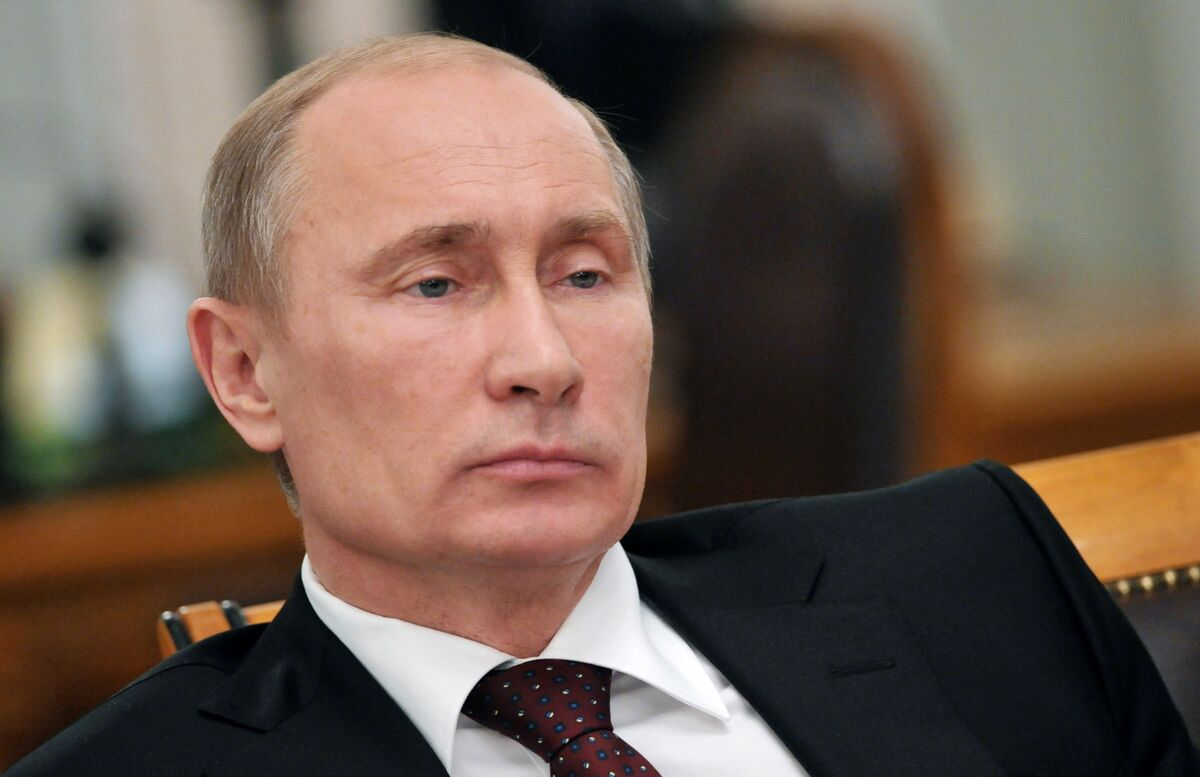

 

Putin’s Response to Ukraine Missiles Could Include Nuclear Test, Experts Say

As tensions between Russia and the West escalate over Ukraine, experts warn that Russian President Vladimir Putin may consider a nuclear test to demonstrate his seriousness if Western nations permit Ukraine to use long-range missiles against Russian targets. British Prime Minister Keir Starmer and U.S. President Joe Biden are currently discussing the possibility of supplying Kyiv with U.S. ATACMS and British Storm Shadow missiles, which could change the course of the conflict.

Putin issued a clear warning on Thursday, stating that the West would be directly involved in fighting Russia if such missiles were deployed. While he has promised an “appropriate” response, the specifics remain unclear. Ulrich Kuehn, an arms expert, suggested that Putin might consider testing a nuclear weapon as a dramatic escalation to convey intent and intimidate Western powers. Russia has not conducted a nuclear test since 1990, and a test now could signal a dangerous shift in the conflict’s trajectory.

Other experts, such as Gerhard Mangott from the University of Innsbruck, agree that a nuclear test, though unlikely, remains within the realm of possibility. They also highlight the risks of Russia escalating “hybrid” actions like sabotage in Europe or interference in Western elections. Russia’s UN ambassador, Vassily Nebenzia, warned that if NATO allowed Ukraine to use long-range weapons, it would be considered a direct conflict with a nuclear power.

Former Kremlin adviser Sergei Markov predicted that Moscow could also respond by targeting British military assets or engaging in hybrid warfare, such as striking British drones and warplanes near Russia. The potential for significant escalation, including attacks on Ukrainian infrastructure or further hybrid actions, remains a key concern, as analysts debate where Putin’s red lines truly lie.


Boeing Strike Could Drag On as Workers Push for Higher Wages, Union Leader Says

The ongoing strike at Boeing, involving more than 30,000 members of the International Association of Machinists and Aerospace Workers (IAM), “could go on for a while,” according to union leader Jon Holden. Workers are demanding larger wage increases and the restoration of a defined-benefit pension plan. The strike began on Friday after workers overwhelmingly rejected a new contract offer from Boeing, despite Holden’s endorsement.

Negotiations are set to resume next week under the supervision of federal mediators, following a resounding 94% vote against the initial contract proposal. Boeing had offered a 25% wage increase over four years and a commitment to build its next commercial jet in the Seattle area. However, workers expressed frustration over stagnant wages and rising living costs, noting that the removal of a performance bonus would effectively negate much of the proposed salary increase.

Holden emphasized that union members feel they have unprecedented leverage and are determined to continue the strike until their demands are met. “Our members are confident… so it could go on for a while,” he said in an interview with NPR.

Boeing’s stock fell 3.7% on Friday, continuing a downward trend that has seen the company’s market value shrink by $58 billion this year. With Boeing facing $60 billion in debt, a prolonged strike could have severe financial implications for the company, as well as airlines and suppliers reliant on Boeing’s jet production.