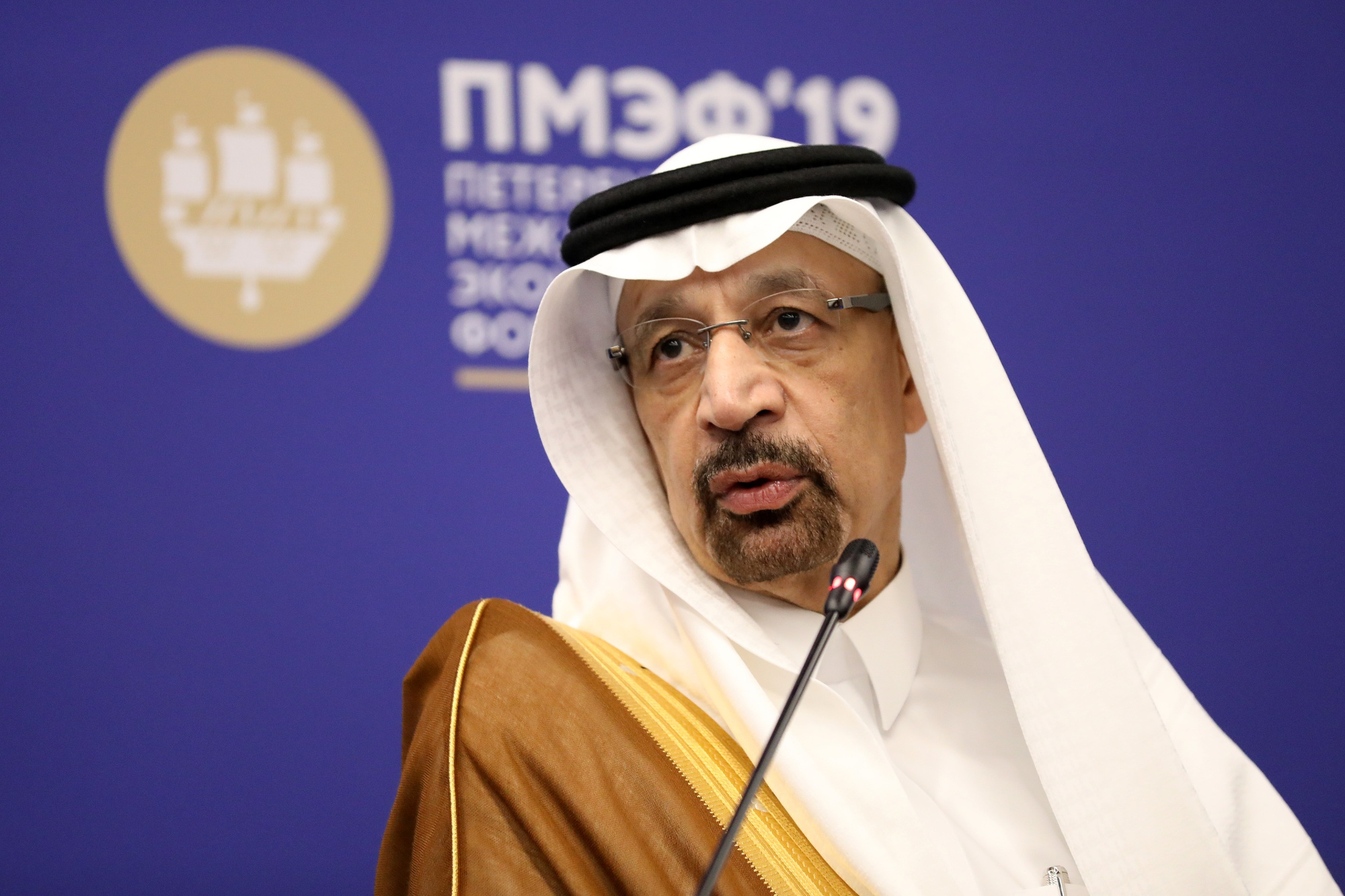
Saudi Investment Minister Defends Vision 2030 Amid Skepticism and Promotes ‘Green Shoring’

Saudi Arabia’s investment strategy under Vision 2030, led by Minister Khalid al-Falih, is facing skepticism, but the kingdom remains steadfast in its ambitious diversification plans. Despite doubts about Saudi Arabia’s ability to transition from its long-standing reliance on oil, the country is actively pursuing “green shoring” as a key component of its investment strategy to attract foreign financing. Vision 2030 aims to reduce the nation’s dependence on oil revenues and foster economic growth through 14 mega-projects, including the Neom industrial complex. The initiative seeks to channel over $3 trillion into the domestic economy and attract $100 billion in foreign investment annually by 2030. Al-Falih emphasized that Saudi Arabia has already achieved or is close to meeting 87% of its targets, demonstrating strong commitment to the plan. The kingdom has also intensified efforts to enhance its investment climate with market liberalization and reforms, although concerns about its legal framework and dispute resolution persist. Green shoring, which focuses on decarbonizing supply chains through renewable energy, is a major selling point for Saudi Arabia. The initiative aims to leverage the kingdom’s logistics, capital, and infrastructure to drive sustainable development. Saudi Arabia is committed to reaching net-zero emissions by 2060 and has been active in climate discussions, though some critics argue that its promotion of carbon capture and storage may be a cover for continued oil production. The green shoring strategy also targets improving global supply chain resilience and supporting the transition to a greener economy by focusing on critical materials and technologies.

 

K-pop’s Record-Breaking Success Fails to Boost Agency Stocks

South Korea’s K-pop industry is experiencing unprecedented success with global chart-toppers and record-breaking performances, yet this surge in popularity is not reflected in the stock performance of its leading management agencies. Despite K-pop acts like BTS and Blackpink achieving international acclaim, shares of South Korea’s “Big Four” K-pop agencies—Hybe Corporation, SM Entertainment, JYP Entertainment, and YG Entertainment—have all suffered significant declines this year. Hybe’s stock has dropped 29%, SM Entertainment has lost 36%, YG Entertainment has fallen 37%, and JYP Entertainment has seen the most severe decrease, plummeting 56%. This stark contrast between the industry’s soaring global presence and the agencies’ poor stock performance is attributed to a complex mix of governance issues, declining earnings, and shifting market dynamics. While K-pop streaming numbers have skyrocketed globally, the Big Four have faced operational losses and declining physical album sales. In August, South Korean artists were discovered 2.2 billion times on Spotify, reflecting strong streaming performance, yet physical album sales—a crucial revenue driver—have declined, impacting earnings. The temporary hiatus of BTS members for military service and Blackpink’s focus on solo projects have also contributed to investor concerns. Despite the strong fan base and increasing digital streaming revenue, physical sales still dominate agency revenue, making their decline particularly impactful. Analysts remain optimistic, forecasting that upcoming artist activities and concerts will potentially boost the agencies’ financial performance in the latter half of 2024 and into 2025.


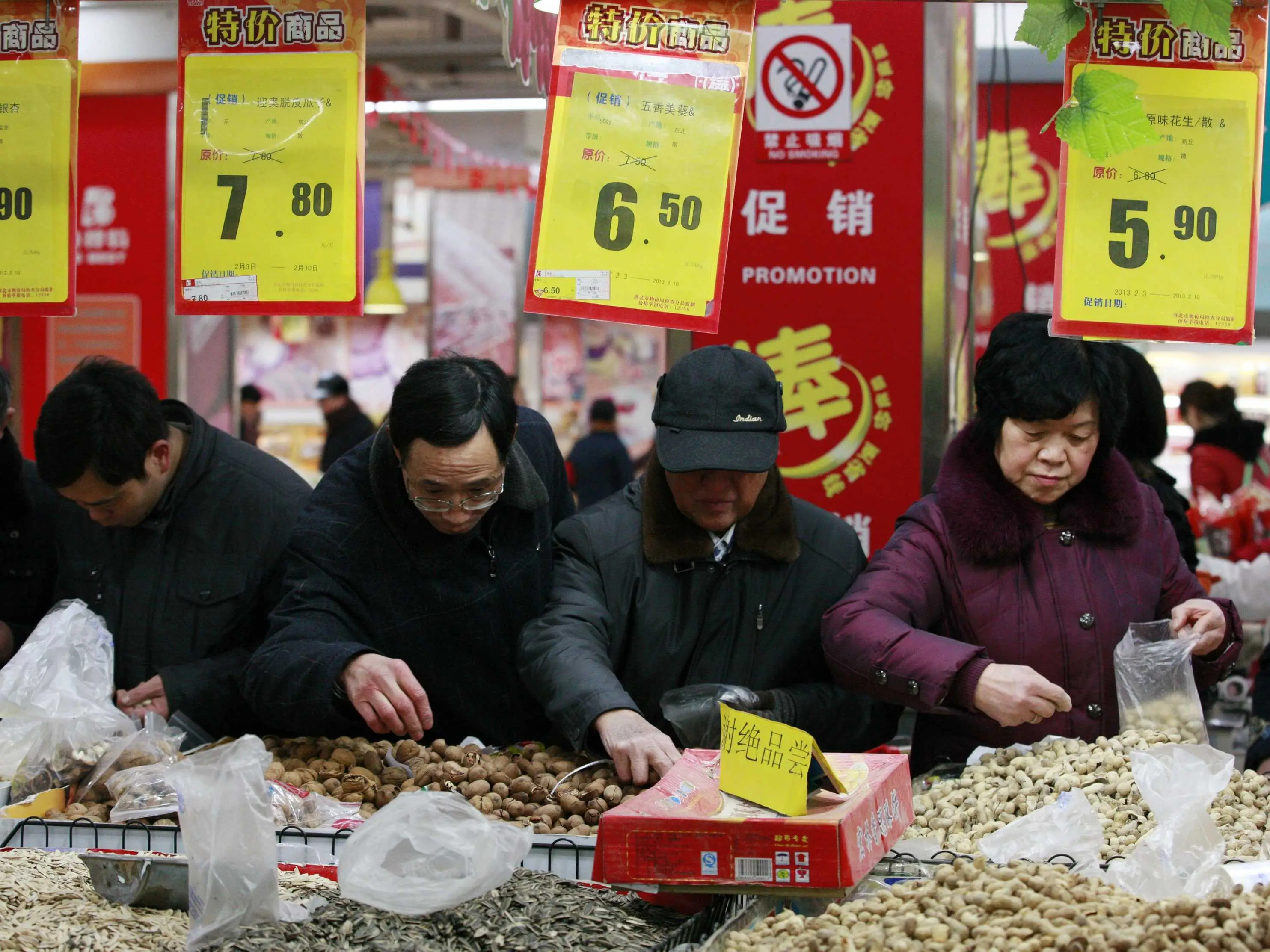
China’s Consumer Inflation Rises in August as Producer Price Deflation Deepens, Driven by Weather Disruptions

China’s consumer inflation rose in August to its highest rate in six months, primarily driven by rising food costs due to extreme weather conditions, including floods and heatwaves, rather than a recovery in domestic demand. The consumer price index (CPI) increased by 0.6% year-on-year in August, slightly up from July’s 0.5%, but fell short of economists’ forecasts of 0.7%. The spike in food prices, which surged 2.8% from the previous year, was attributed to weather-related disruptions affecting 1.46 million hectares of crops, according to the National Bureau of Statistics (NBS). Despite the increase in CPI, core inflation, which excludes volatile food and fuel prices, dropped to its lowest level in nearly three and a half years, signaling underlying deflationary concerns. The producer price index (PPI), a key gauge of industrial profitability, fell by 1.8% in August, marking the largest decline in four months and exacerbating concerns about deflationary pressures. Economists attribute this to a persistent production surplus and weak demand. China’s yuan weakened and stock markets fell as economic worries intensified. Calls for further fiscal and monetary easing are growing, as analysts warn that existing policies, including a $41 billion national campaign to boost consumer confidence, have so far been insufficient to stimulate demand.