Ancient Asteroid 20 Times Larger Than Dinosaur-Killing Impact Likely Hit Jupiter’s Moon Ganymede

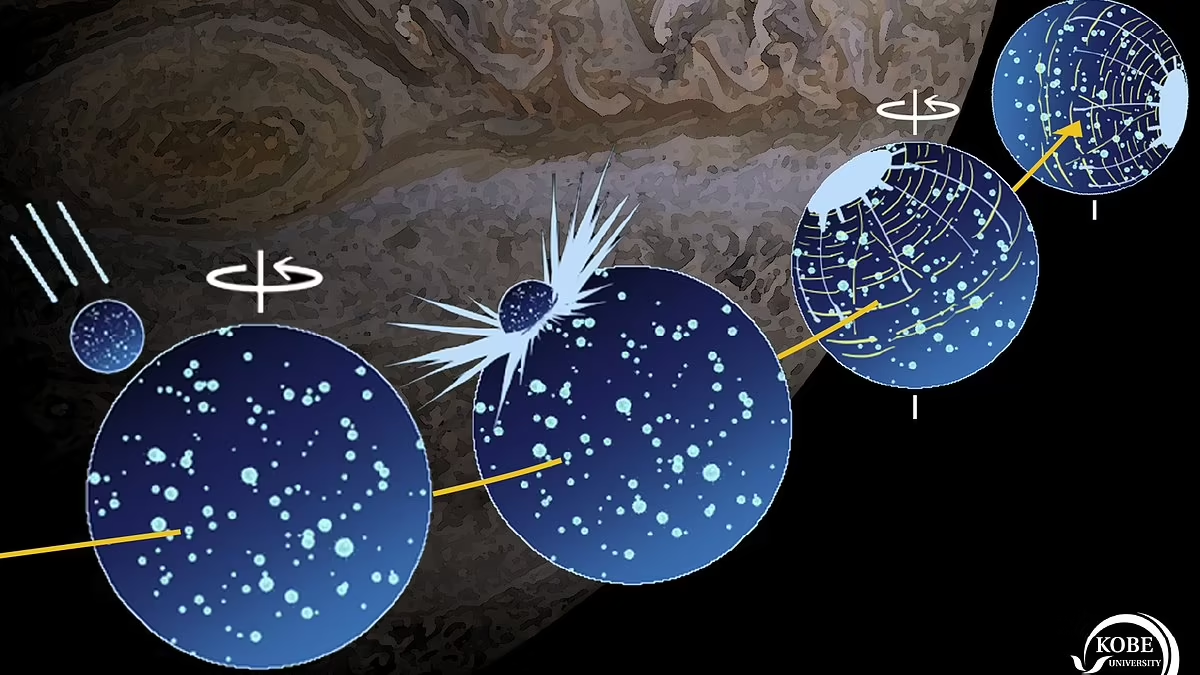
Jupiter’s largest moon, Ganymede, might have undergone a dramatic shift in its axis due to a colossal asteroid impact around 4 billion years ago, according to recent research. The study, published in Scientific Reports, suggests that an asteroid roughly 186 miles (300 kilometers) wide, 20 times larger than the one that caused the extinction of dinosaurs, created a massive crater on Ganymede, leading to significant reorientation of the moon. The impact, which resulted in furrows forming concentric patterns on the moon’s surface, may have been responsible for altering its rotational axis. This new research, spearheaded by Naoyuki Hirata from Kobe University, aims to shed light on Ganymede’s evolutionary history and internal structure. The European Space Agency’s Juice spacecraft, set to reach Jupiter in 2031, may provide critical data to further explore these findings and the potential changes in Ganymede’s geological features.
 

Dubai to Build World’s Second Tallest Skyscraper, Burj Azizi, at 725 Meters

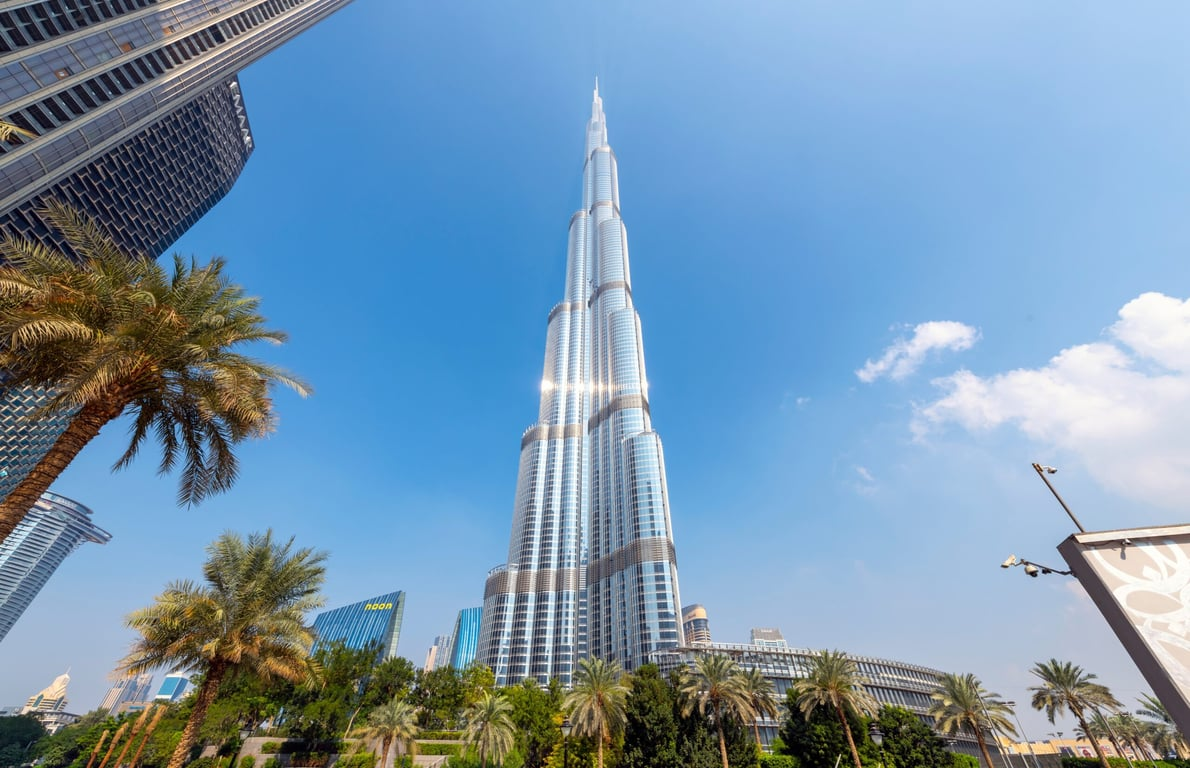
Dubai is expanding its skyline with a new architectural marvel, Burj Azizi, which will become the world’s second-tallest skyscraper at 725 meters (2,379 feet) upon completion. The construction of this 131-story tower began in January 2024, with final approval for its height recently secured from Dubai authorities, including the General Civil Aviation Authority. Burj Azizi will feature luxury apartments, a seven-star hotel, and a vertical shopping mall. Located in the World Trade Center district on Sheikh Zayed Road, Burj Azizi will trail only the Burj Khalifa in height, surpassing Malaysia’s Merdeka 118 and other local towers like Marina 101. The tower is set to break several records, including the world’s highest hotel lobby, nightclub, and observation deck. Scheduled for completion in 2028, Burj Azizi is expected to solidify Dubai’s status as a global leader in engineering and supertall buildings, adding to its portfolio of record-breaking attractions.


AI in Filmmaking: Potential to Democratize or Threaten Creativity?

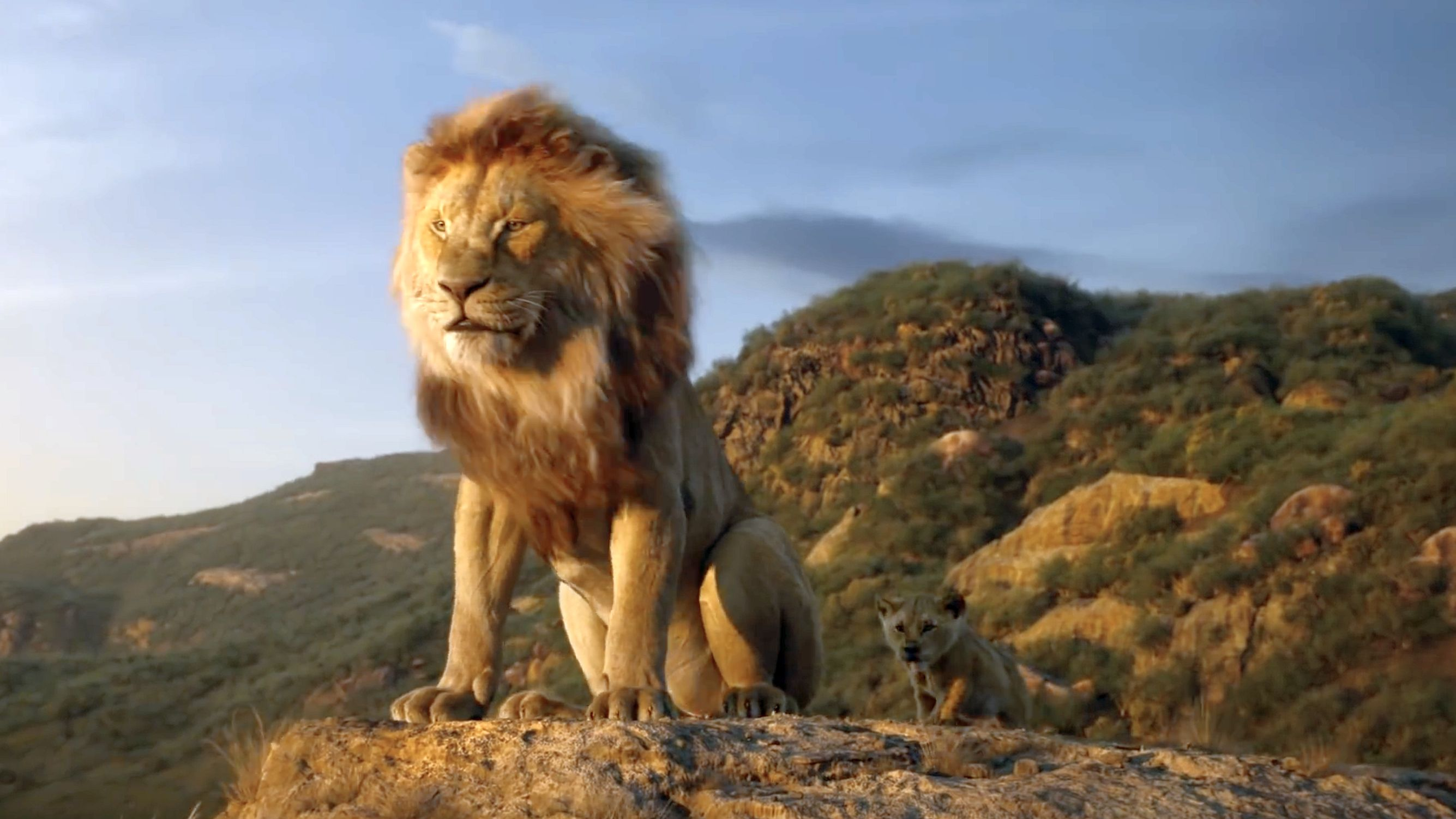
Artificial intelligence is being hailed as a “Wild West” by industry veterans, yet holds the promise of democratizing filmmaking by lowering production costs and granting broader access to powerful creative tools. Rob Minkoff, co-director of Disney’s 1994 classic The Lion King, believes AI could spark an “explosion of content” by empowering more creators to produce films without the burden of expensive equipment. Speaking at the Reply AI Film Festival in Venice, Minkoff emphasized that AI could revolutionize filmmaking in a way similar to how computer animation once reshaped the industry. Despite fears over AI’s impact on jobs, Minkoff argues that adaptation to new technology is crucial to staying relevant. He cites the iconic wildebeest stampede scene from The Lion King as an early example of how technology enhanced traditional animation. However, Minkoff acknowledges that AI raises legitimate concerns, particularly regarding copyright and intellectual property issues in the entertainment industry. As AI continues to advance, the film industry may need dedicated bodies to protect filmmakers’ rights, much like the organizations that safeguard music creators. While AI won’t replace filmmakers, it will undoubtedly change the landscape of how movies are made. Minkoff remains optimistic that technology will ultimately enhance, rather than diminish, the art of filmmaking.