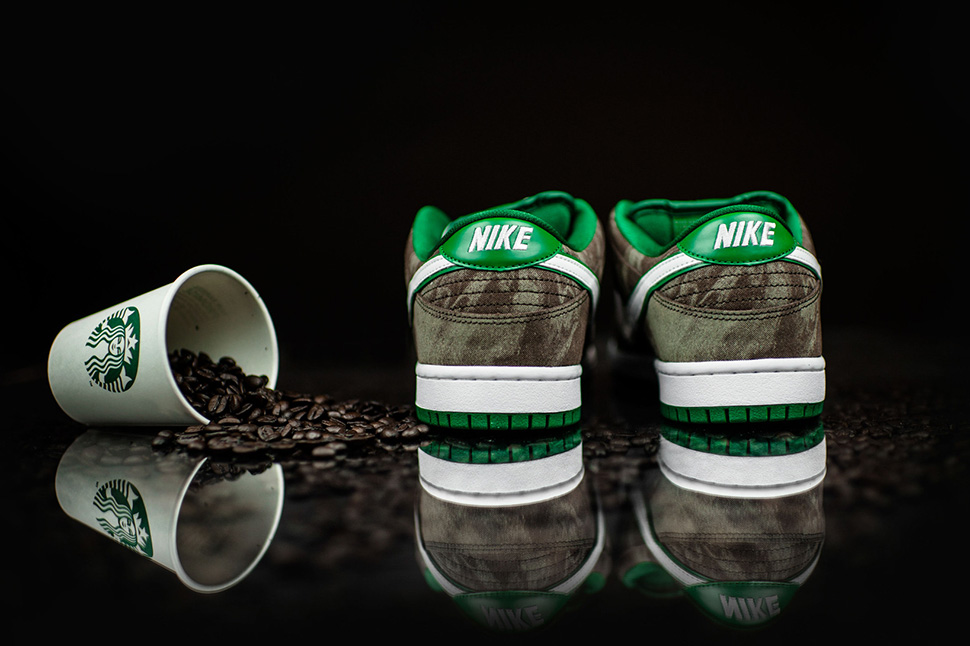
China’s Stimulus May Aid New CEOs at Nike and Starbucks in Global Turnarounds

As China’s economic stimulus programs aim to revive consumer spending and growth, they could offer a welcome boost to two recently appointed CEOs in the U.S. who are navigating their own company transformations: Brian Niccol at Starbucks and Elliott Hill at Nike. Both brands have significant exposure to the Chinese market, a key region that has impacted their predecessors’ performance.

According to Bank of America, Nike derives 14.7% of its sales from China, while Starbucks sees 8.6% of its revenue from the region. A recovery in Chinese consumer spending could thus significantly benefit both companies. However, the challenge remains for the new CEOs to capitalize on this opportunity with strong execution in a market where local competition and geopolitical factors have been growing.

China’s Stimulus: A Potential Lifeline?

China’s economic stimulus plans are a critical factor in boosting demand, particularly in the real estate and consumer sectors. Analysts, including UBS’s Hartmut Issel, note that the Chinese government’s efforts are focused on stabilizing the property market and revitalizing consumption. A successful stimulus rollout could spur broader economic growth, benefiting global companies like Nike and Starbucks that depend on Chinese consumer spending.

While Starbucks and Nike are poised to gain from a potential Chinese economic rebound, Bank of America analyst Chen Luo warns that global brands may not enjoy outsized benefits. Chinese consumers are increasingly favoring products based on emotional and functional value, with domestic brands gaining ground. This rise in local competition, alongside growing skepticism toward foreign brands, may dilute the impact of a stimulus on international companies.

The Role of New Leadership

Both Nike and Starbucks have placed China as a strategic priority for growth under their new leadership teams. At Starbucks, Brian Niccol has already initiated changes, including reshuffling the company’s Chinese leadership. Speculation has risen around further restructuring, such as joint ventures with Chinese companies to enhance market presence. However, for Starbucks to regain momentum in China, it will need to address competition from local coffee brands and adjust to evolving consumer preferences.

Similarly, at Nike, Elliott Hill is taking charge as the company maintains a focus on China as a long-term growth opportunity. Despite Matthew Friend, Nike’s CFO, tempering expectations for short-term growth in China, he remains optimistic about the country’s increasing participation in sports, which could boost demand for Nike products.

However, new leadership alone may not be enough to spur significant change. Eric Clark, co-portfolio manager of the Rational Dynamic Brands Fund, noted that Nike’s CEO shift may improve morale but does not guarantee a return to high growth. For Clark, Nike’s future performance hinges on a “reinvigoration of innovation,” particularly in a market as competitive as China.

Skepticism Amid Investor Caution

While stimulus efforts and leadership changes could provide a lift to Nike and Starbucks, many investors are taking a cautious stance. Ellen Hazen, chief market strategist at F.L. Putnam, emphasized that while China’s stimulus is a positive development, its benefits for U.S. brands like Starbucks and Nike remain uncertain.

The skepticism also extends to the broader Chinese economy. The stimulus so far has concentrated on the real estate sector, and there are concerns about whether it will sufficiently boost consumer confidence and spending. The ongoing internal policy shifts and external geopolitical pressures add to the uncertainty surrounding the long-term effects of China’s economic recovery.

Bank of America’s Luo stressed the importance of decisive policy measures to rebuild consumer trust, particularly in the wake of property market turmoil. Without significant and sustained policy action, the benefits of China’s stimulus could fall short of expectations, limiting its impact on global companies with exposure to the region.

The Path Ahead for Nike and Starbucks

Both Nike and Starbucks have underperformed the market this year, as they face divided opinions from Wall Street analysts. While there is optimism around the leadership changes and potential benefits from China’s economic stimulus, the path to recovery remains uncertain.

For investors, patience is key as they await signs of improvement in both companies’ strategies and China’s economy. In the meantime, the new CEOs must focus on strengthening their brands, addressing competitive challenges, and executing well in the evolving Chinese market.
China and North Korea Mark 75th Anniversary of Diplomatic Ties with Vows of Cooperation

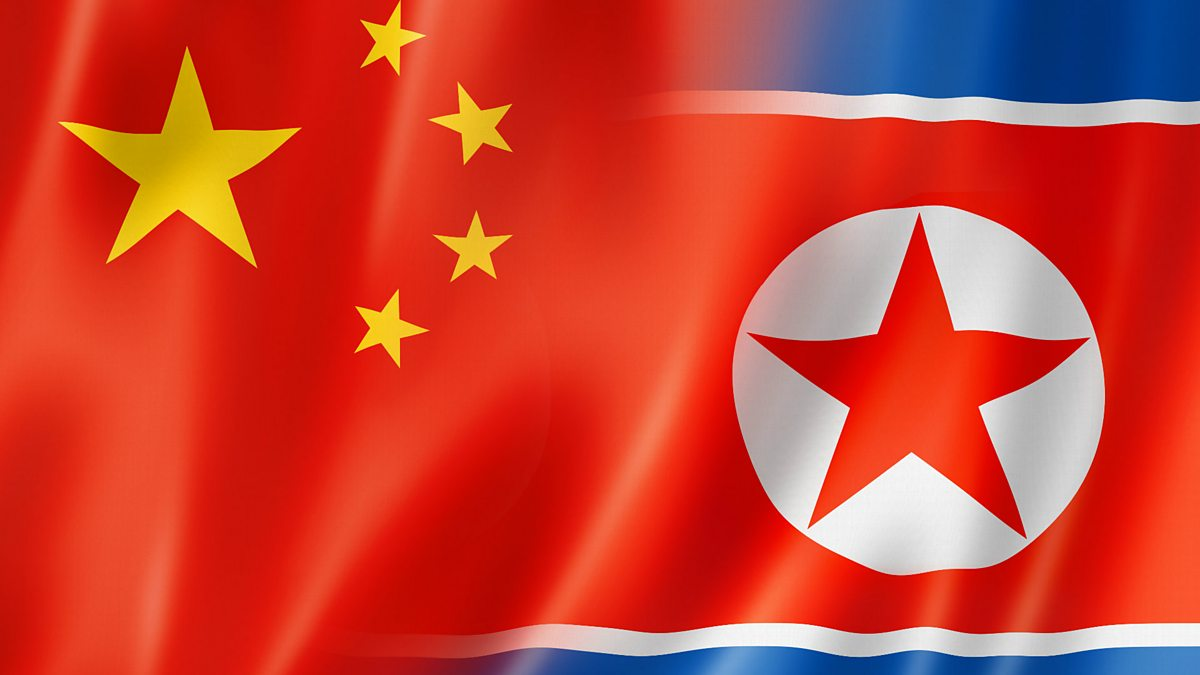
China and North Korea reaffirmed their long-standing relationship on Sunday, marking the 75th anniversary of diplomatic relations between the two nations. Both China’s President Xi Jinping and North Korean leader Kim Jong Un expressed their commitment to strengthening bilateral cooperation, according to North Korea’s state news agency KCNA.

President Xi Jinping emphasized the importance of China-DPRK ties, pledging to enhance communication and collaboration to “write a new chapter” in their relationship. The two countries have deep historical ties, with China being North Korea’s most significant trading partner and supporter, dating back to China’s involvement in the Korean War (1950-1953), which resulted in the division of the Korean Peninsula.

However, China has expressed some reservation in recent months as Kim Jong Un has moved to deepen ties with Russian President Vladimir Putin. North Korea and Russia signed a strategic treaty this year that includes mutual defense elements, a development that has caught the attention of Beijing.

In his message to Xi, Kim pledged to continue advancing friendly and cooperative relations with China, stating it was necessary to do so in line with “the requirements of the new era.”

Meanwhile, tensions on the Korean Peninsula could rise further as North Korea prepares to revise its constitution. The amendment is expected to remove the long-standing goal of peaceful unification with South Korea, potentially escalating hostilities between the two Koreas. North Korea is scheduled to convene a parliamentary session on Monday to discuss the changes.

Experts suggest that these amendments could redefine the inter-Korean border and signal a shift in North Korea’s approach toward South Korea, possibly advocating unification by force. This comes in the wake of Kim Jong Un’s earlier statements calling for preparations to “occupy, subjugate, and reclaim” South Korea in the event of war.

The redefinition of inter-Korean territory could act as a “new flashpoint” between the two Koreas, according to Lim Eul-chul, a professor of North Korea studies at Kyungnam University in South Korea. He also raised concerns that North Korea might suggest using nuclear weapons in its pursuit of unification.

On Friday, Kim warned that North Korea would not hesitate to use all available offensive forces, including nuclear weapons, to protect its sovereignty from external threats.


Kazakhstan Votes on First Nuclear Power Plant Amid Public Concerns and Energy Needs

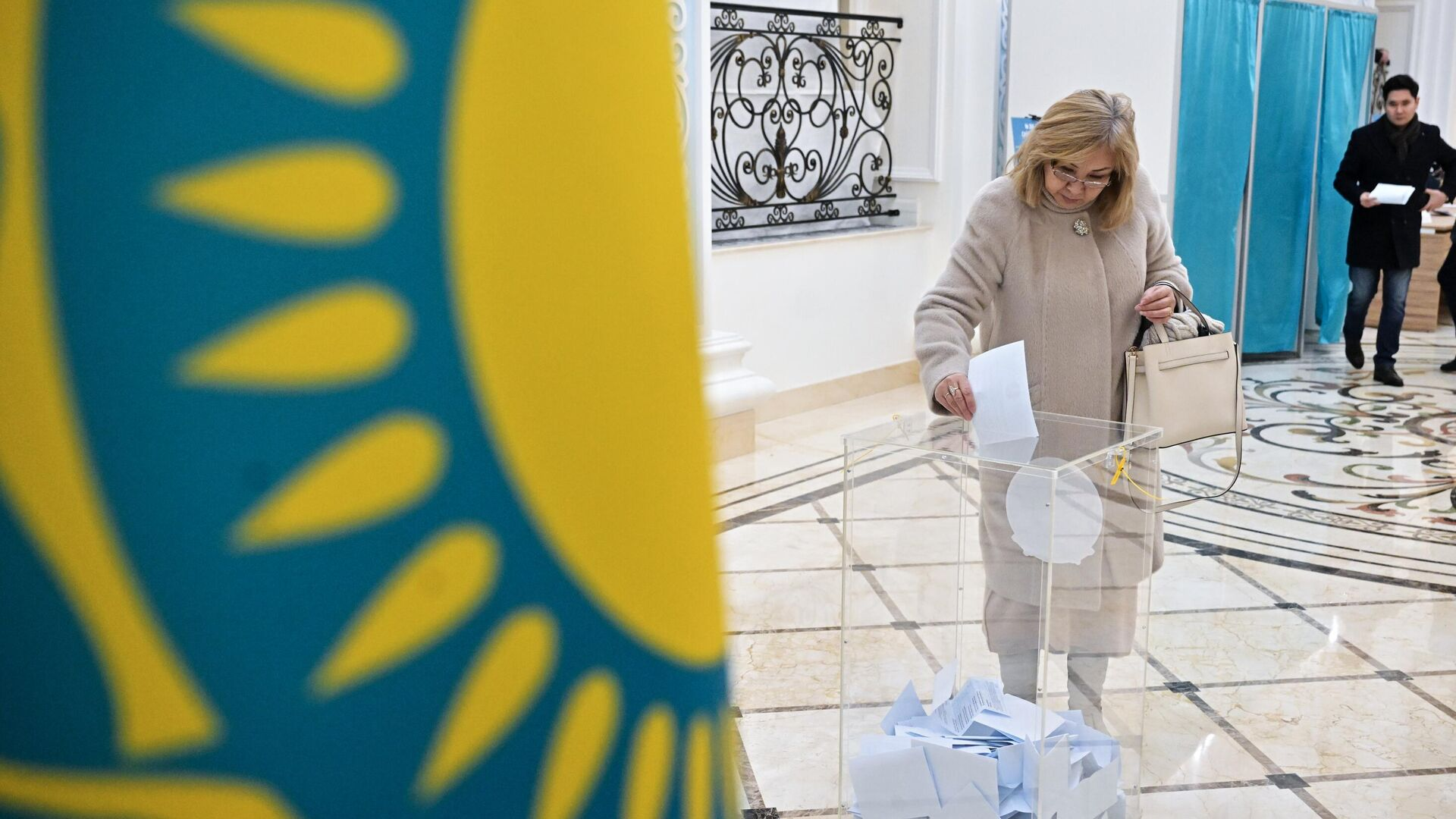
Kazakhstan held a referendum on Sunday to decide whether to build its first nuclear power plant, a move promoted by President Kassym-Jomart Tokayev as the country seeks to reduce its reliance on coal. While the government argues that nuclear energy will help phase out polluting coal plants and secure energy supply, the proposal has faced public opposition due to the Soviet Union’s nuclear legacy and fears of potential Russian involvement.

Despite the government’s push for the project, critics worry about the safety hazards and environmental impact. Vadim Boreiko, a popular blogger, suggested that the decision to build the nuclear plant with the involvement of Rosatom, Russia’s state nuclear company, has already been made and that the referendum serves merely to validate the decision. This view reflects public mistrust, particularly due to Kazakhstan’s history with nuclear testing during the Soviet era, which left many regions uninhabitable and created long-lasting health issues.

The proposed plant would be built near Lake Balkhash in the village of Ulken, where opinions among locals remain divided. While some residents hope the project will bring jobs and economic growth, others fear it may contaminate the lake’s water.

Despite Kazakhstan’s large natural gas reserves, the country remains highly dependent on coal-powered plants, which provide the bulk of its electricity. Many of these facilities are aging, and Kazakhstan has had to import electricity from Russia to meet demand. The government argues that nuclear power, combined with renewable energy sources like solar and wind, is essential for the country’s energy future, particularly given Kazakhstan’s status as one of the world’s largest uranium producers.

However, critics argue that gas-powered plants could meet the country’s energy needs without the risks associated with nuclear energy. Gas is less polluting than coal and does not carry the same potential for nuclear accidents.

The legacy of Chornobyl and the hundreds of nuclear tests conducted by the Soviet Union on Kazakh soil have left many people wary of anything related to nuclear power. The health and environmental consequences of those tests are still being felt today, with large areas rendered uninhabitable and health issues persisting among those who were exposed.

The referendum will only be considered valid if more than 50% of registered voters cast their ballots. Tokayev, who publicly cast his vote in the capital Astana, stressed that he is open to multiple international companies participating in the project, stating that an international consortium could provide the most advanced technologies for the plant.