Russia Captures Vuhledar, Exposing Ukraine’s Strategic Vulnerabilities

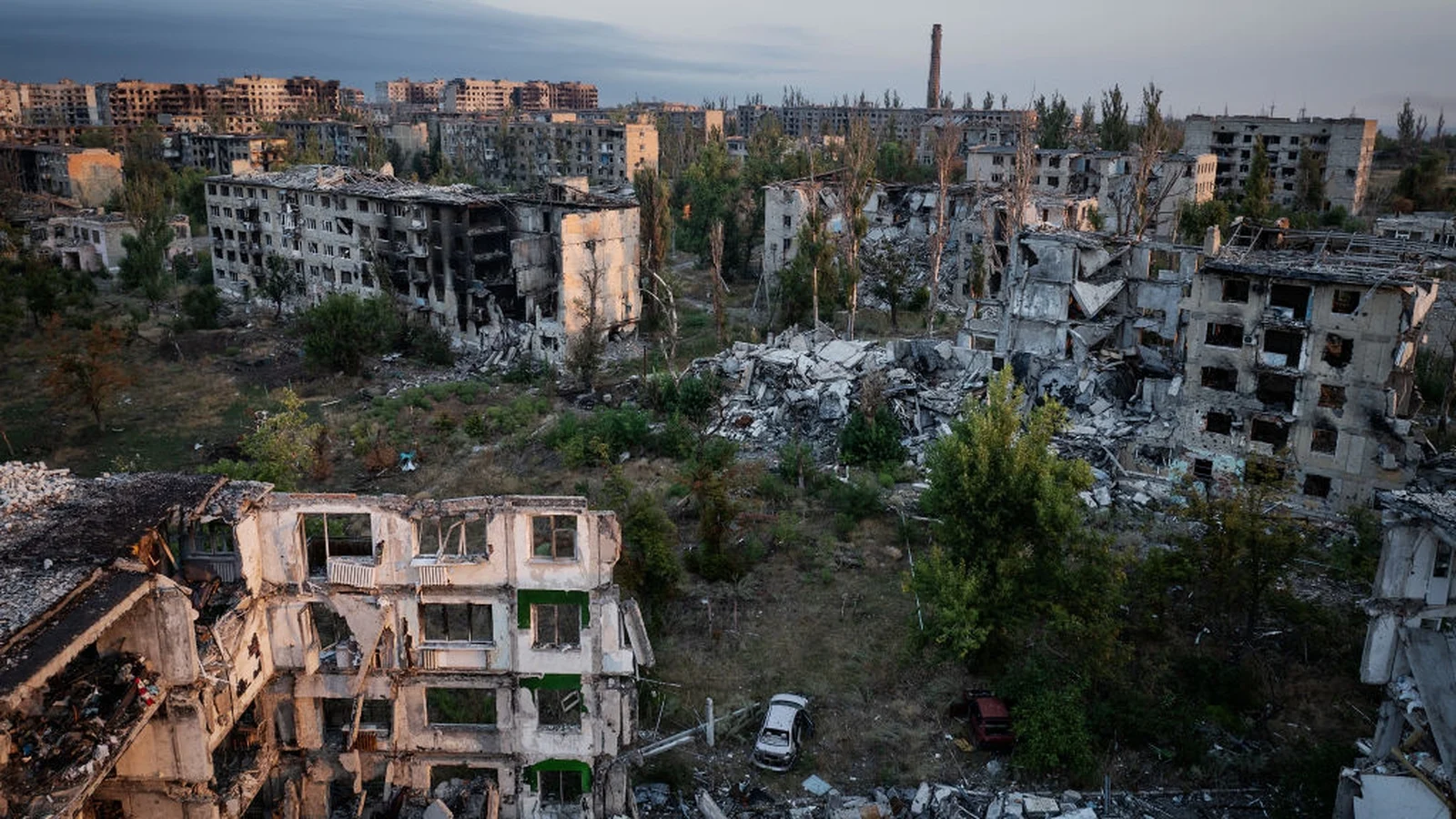
Russia has captured the key eastern Ukrainian town of Vuhledar, marking a significant setback for Kyiv as it prepares for its third winter in war. The town, once home to 14,000 people, now lies in ruins, with a population reduced to barely over 100. Verified footage showed Russian troops raising their flag over the city’s destroyed hall, signifying the end of months of fierce Ukrainian resistance.

Ukraine’s military confirmed a strategic withdrawal from Vuhledar, citing the encroaching threat of encirclement by Russian forces, who managed to bring in reinforcements to the town’s flanks. The withdrawal was framed as necessary to “save personnel and military equipment.”

Vuhledar, although not a major transport hub, had served as a crucial Ukrainian stronghold at the intersection of its eastern and southern fronts. Positioned roughly 50 kilometers south of Pokrovsk, a key attack nexus for Russia in the east, Vuhledar’s fortified nature made it a challenging target for Russian forces. However, its loss, like that of Avdiivka earlier this year, came not through Russian military strategy but rather through a war of attrition.

Strategic Significance of Vuhledar

Vuhledar, derived from the Ukrainian word for coal, sits at a vital junction between the Zaporizhzhia and Donetsk fronts. Russian bloggers, such as Boris Rozhin, have described the town’s fall as “operational, if not operational-strategic,” citing its elevated position and proximity to Russian-controlled Mariupol. The town’s loss could open the door for Russia to pressure other critical areas further west.

Ukraine had managed to defend Vuhledar for two years, successfully repelling multiple Russian attempts to seize the town. In February 2023, a poorly executed Russian offensive resulted in heavy Russian casualties, as Ukrainian forces used the town’s high-rise buildings to rain artillery fire on advancing troops. This latest Russian victory, though painful for Kyiv, follows months of incremental Russian gains in the east.

Picture background

Ukraine’s Worsening Situation

The timing of Vuhledar’s fall is particularly problematic for Ukraine. The loss comes just days after President Volodymyr Zelensky returned from the U.S. without securing key military assurances from President Joe Biden. Zelensky’s diplomatic efforts yielded promises of additional aid but no NATO-style security guarantees or permission to use Western-supplied missiles to strike Russian territory. This absence of decisive Western support leaves Ukraine vulnerable on multiple fronts, especially as it struggles to recover territory from Russian forces.

Ukraine’s recent battlefield expansion into Russia’s Kursk region was meant to relieve pressure on other areas. However, this tactical shift appears to have done little to prevent Russia’s steady advance in the east, culminating in Vuhledar’s loss. The town’s capture also highlights the ongoing manpower advantage that Russia retains, even as Ukraine’s mobilization law has been in effect for four months.

Stanislav Buniatov, a Ukrainian soldier and blogger, criticized the loss on Telegram, expressing frustration that Ukrainian forces were surrounded and forced to withdraw in small groups. He described harrowing accounts of soldiers retreating under fire from Russian drones, leaving the wounded behind to be killed by Russian forces.

The Broader Impact on Ukraine’s War Effort

The fall of Vuhledar has immediate and long-term consequences for Ukraine. In the short term, it puts increased pressure on Kyiv to defend other key areas from Russian advances. President Zelensky‘s optimism about being “closer to peace” now seems premature as Ukraine faces the immediate task of preventing further Russian territorial gains. Retaking lost areas becomes an even more remote possibility as Ukrainian forces shift from offensive to defensive operations.

In addition to the military setbacks, Ukraine is bracing for another winter under relentless Russian attacks on its energy infrastructure. The International Energy Agency has warned that the upcoming winter will pose Ukraine’s “sternest test yet.” The combination of military losses, ongoing infrastructure attacks, and an uncertain Western response leaves Ukraine in a precarious position as the war drags on.
 

Japan Likely to Continue Rate Hikes Despite Prime Minister Ishiba’s Dovish Comments

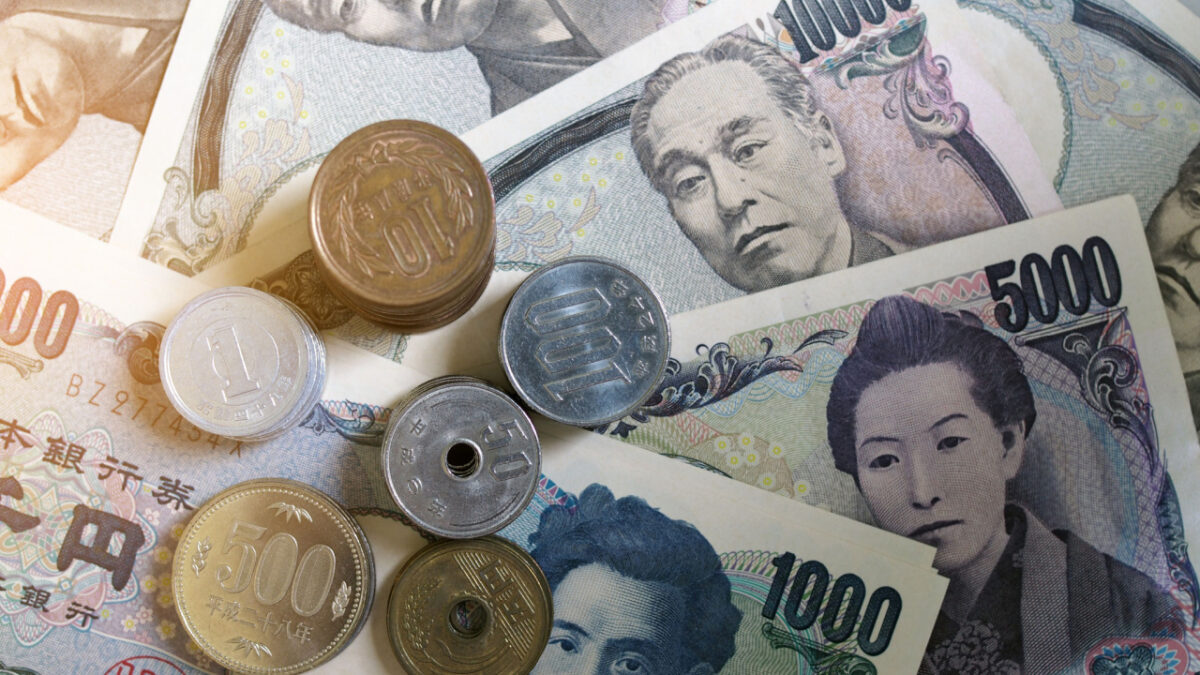
Following dovish remarks by Japanese Prime Minister Shigeru Ishiba, the yen plummeted sharply to 147.15 against the U.S. dollar, marking its steepest decline since June 2022. Despite this, market analysts maintain their expectations that the Bank of Japan (BOJ) will proceed with rate hikes in the longer term.

Prime Minister Ishiba, in a significant shift from his campaign rhetoric, stated, “I do not believe that we are in an environment that would require us to raise interest rates further,” after meeting with BOJ Governor Kazuo Ueda. Ishiba’s softer stance was surprising, given his past criticism of Abenomics, the aggressive monetary easing strategy promoted by the late Prime Minister Abe Shinzo.

However, economists like Stefan Angrick from Moody’s Analytics remain confident that the BOJ will hike rates again soon, citing optimistic economic outlooks from the September meeting minutes. Despite Ishiba’s comments, Angrick told CNBC, “My money is still on a rate hike in October.”

Bank of Japan’s Next Steps

The BOJ, which raised its benchmark interest rate to “around 0.25%” in September, its highest since 2008, is scheduled to review rates again on October 30-31. Although the futures market showed less than a 50% chance of a rate increase by year-end, expectations for further tightening remain strong among analysts.

Asahi Noguchi, a BOJ board member, stated that the central bank should maintain its accommodative policy in the near term, emphasizing the need to change public perceptions about future price increases.

Economic Context and Yen Weakness

Japan’s economy and inflation have developed largely in line with the BOJ’s expectations, but the yen’s persistent weakness complicates matters. Analysts are focused on how exchange rates, particularly the yen’s value against the dollar, will influence future BOJ decisions. Higher interest rates generally support a stronger yen, which can hurt Japanese exporters by making their goods more expensive globally.

The yen carry trade, in which investors borrow in low-interest yen and invest in higher-yielding currencies, has been a key factor driving currency volatility. When the BOJ raised rates in July, it triggered an unwinding of the carry trade, leading to a significant sell-off in global markets.

Ken Matsumoto of Crédit Agricole CIB suggested that a BOJ rate hike could happen as early as the January 2024 meeting, but noted that the upcoming General Election on October 27 could disrupt this timeline. A decision on further hikes may depend on the outcome of the election and its impact on fiscal policy.

Long-Term Outlook and Potential Delays

Some experts, like Mazen Issa of MRB Partners, are cautious about the exact timing of the next BOJ hike but agree that additional tightening is on the horizon. Issa remarked, “We would not rule out another rate hike by the end of this year, but if not, the BOJ will hike by early 2025.”

Nomura’s Yujiro Goto echoed a similar sentiment, suggesting that a December rate hike is still possible under certain conditions, including yen depreciation, a stable U.S. economy, and an avoidance of a hard landing in the U.S.

Fundamentally, Japan’s economic outlook remains tied to global conditions, particularly in the U.S. If the yen remains stable or strengthens, experts like Kazuo Momma from Mizuho believe that the BOJ could delay further rate increases until at least January 2025.

While Prime Minister Ishiba’s comments have shifted market expectations in the short term, the BOJ is still widely expected to stick to its long-term hiking cycle to address inflation and stabilize the yen. The timeline may vary depending on domestic political developments and the broader international economic environment.


Hong Kong Stocks Drop as Stimulus Rally Fades; Japan’s Nikkei Leads Gains Across Asia

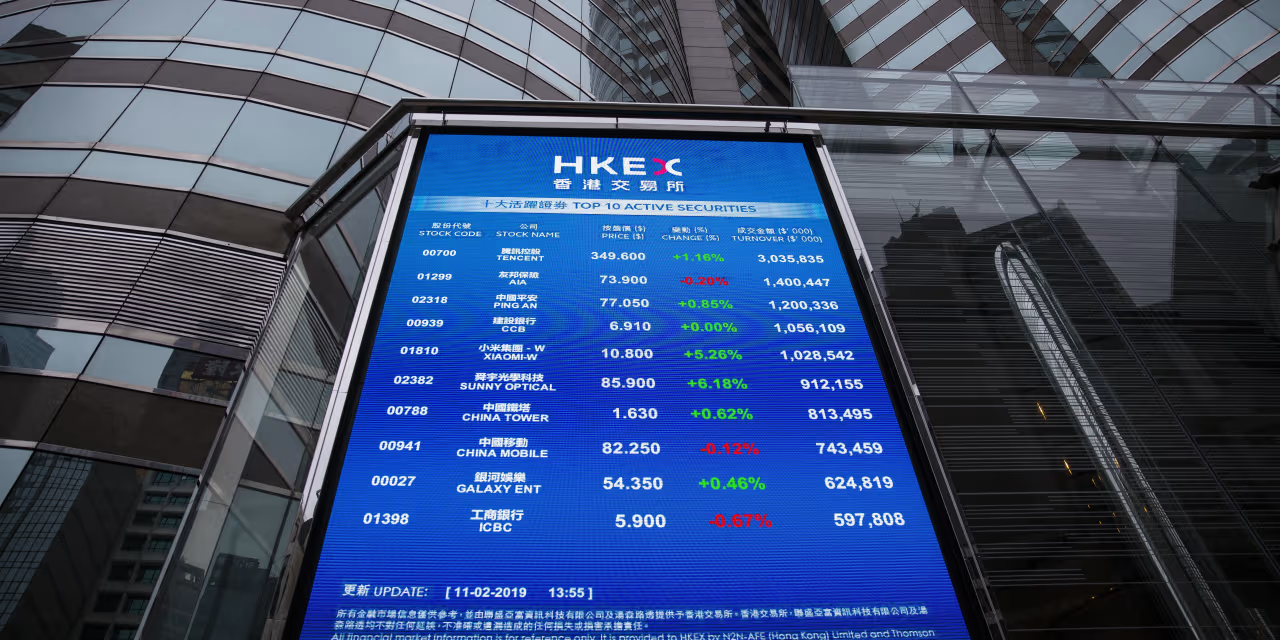
Hong Kong’s stock market tumbled on Thursday, with the Hang Seng index falling by 3% after a brief stimulus-fueled rally. This comes after the index surged over 6% on Wednesday, marking a 22-month high. The sudden downturn was driven by significant declines in the property and tech sectors, with the Hang Seng Mainland Properties Index dropping over 10%, led by Longfor Group Holdings and New World Development, which plunged 12.8% and 10%, respectively. The Hang Seng Tech Index also suffered a 6% loss.

While mainland Chinese markets remain closed until October 8 for holidays, investors are questioning the long-term impact of recent stimulus measures announced by Chinese authorities. Analysts, like Nomura’s chief China economist Ting Lu, urge caution, suggesting that future fiscal policies might lack clarity and could lead to market uncertainty.

Japan’s Markets Show Strength

Contrary to Hong Kong’s struggles, Japan’s Nikkei 225 surged 2.1%, leading gains across Asia, while the Topix rose 1.3%. Japan’s market gains were bolstered by a weakening yen, which hit 147.15 against the U.S. dollar, marking its largest single-day decline since June 2022.

Japan’s newly-appointed Prime Minister Shigeru Ishiba assured reporters that the current economic environment does not support an interest rate hike, following his meeting with Bank of Japan Governor Kazuo Ueda. These comments helped boost investor sentiment, further driving market performance.

Mixed Economic Data from Australia

Elsewhere, Australia’s S&P/ASX 200 index increased by 0.25% despite some mixed economic signals. The country’s Judo Bank Composite PMI for September dipped to 49.6 from 51.7 in August, signaling a contraction in private sector activity. Meanwhile, the Australian Bureau of Statistics reported a trade surplus of AU$5.64 billion for August, surpassing estimates but reflecting a slight decline from July’s AU$6.01 billion.

Other Key Updates

  • Japan: The au Jibun Bank Composite PMI for September stood at 52.0, reflecting slower growth in the private sector compared to August’s 52.9. The service sector PMI also showed softer expansion, at 53.1 in September versus 53.7 in August.
  • South Korea and Taiwan: South Korea’s markets were closed for National Foundation Day, and Taiwan’s markets remained shut as Typhoon Krathon brought severe weather to the region.
  • Middle East Conflicts: Geopolitical tensions in the Middle East continue to affect market sentiment globally. Israel launched a ground operation into Lebanon, and Iran retaliated with a ballistic missile strike following the death of Hezbollah leader Hassan Nasrallah.

U.S. Market Update

U.S. markets were relatively flat on Wednesday as investors weighed the risks of escalating Middle East conflicts. The S&P 500 inched up by 0.01% to 5,709.54, while the Dow Jones Industrial Average gained 39 points to close at 42,196.52. The Nasdaq Composite saw a modest rise of 0.08%, closing at 17,925.12.