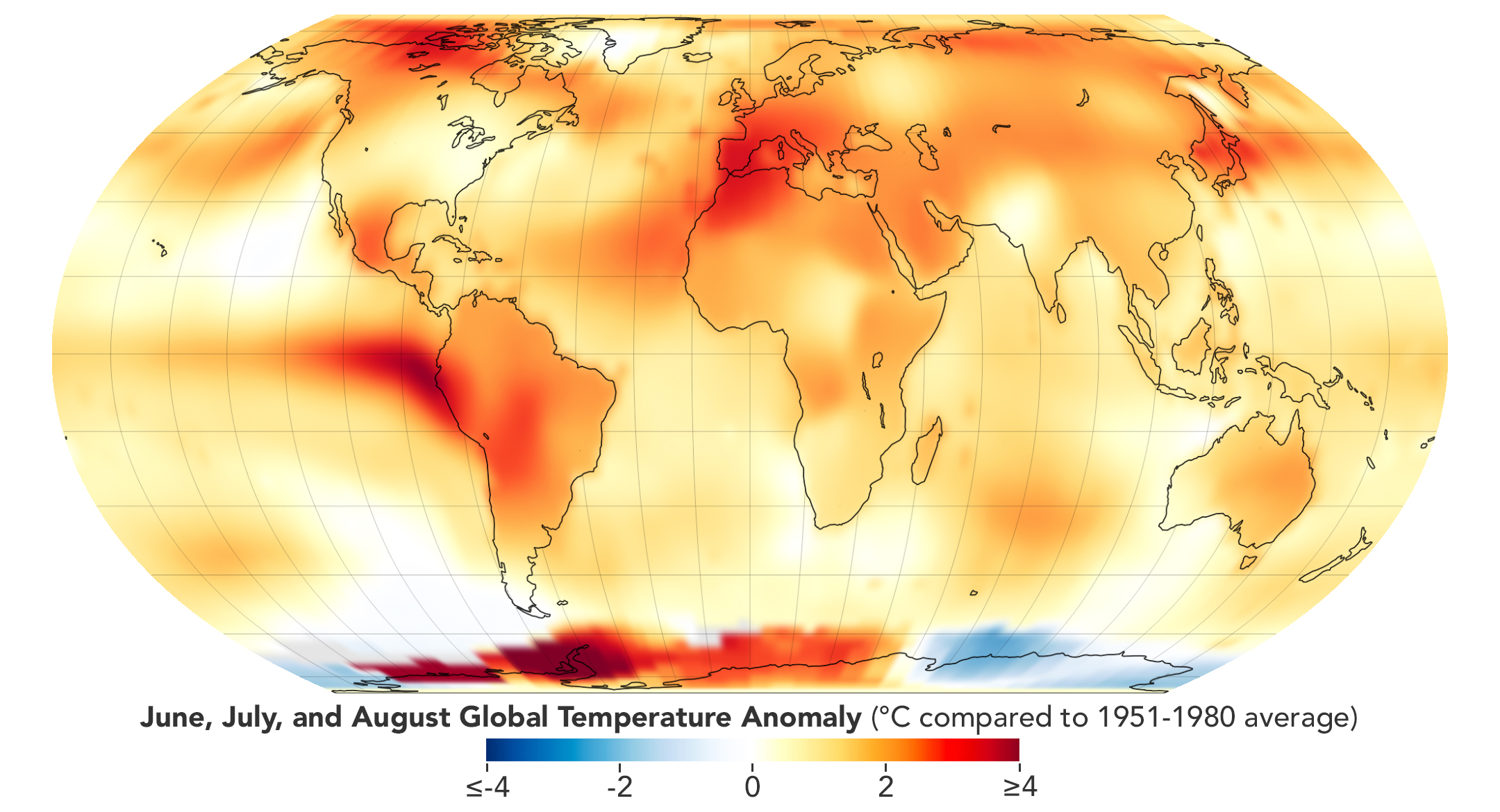
El Niño Contributes to Unprecedented Global Temperature Rise in 2023, Studies Show

Global temperatures have reached unprecedented levels in 2023, raising alarm bells among climate scientists worldwide. With an average increase of nearly 0.3°C compared to the previous year, this dramatic rise has left many experts puzzled about the underlying causes. Notably, James Hansen, a prominent climate scientist, indicated that this could signify the onset of a new phase in global warming, further accelerated by a decrease in air pollution. Gavin Schmidt, director of NASA’s Goddard Institute for Space Studies, has also pointed out that this unusual temperature spike might expose gaps in our current understanding of climate feedback mechanisms.

Recent research highlights the critical role of El Niño in driving these temperature anomalies. The tropical Pacific Ocean’s shifting conditions, particularly the transition from a prolonged La Niña phase to a strong El Niño event, have significant implications for global climate patterns. Traditionally, La Niña conditions occur when trade winds push warm surface waters towards Indonesia, allowing cooler, deeper waters to rise in the eastern Pacific. This process typically leads to lower global temperatures, creating a stark contrast with El Niño’s effects.

During an El Niño event, warmer waters are pushed back eastward, disrupting the ocean’s natural cooling effect. This phenomenon effectively “turns off” the ocean’s role as an “air conditioner,” leading to an increase in global temperatures. Studies led by Shiv Priyam Raghuraman at the University of Illinois Urbana-Champaign have further reinforced the connection between the end of La Niña and the emergence of a robust El Niño, attributing the spike in temperatures in 2023 to this climatic shift.

The implications of this temperature rise are profound, raising concerns about the accelerating effects of climate change and the urgent need for a deeper understanding of climate dynamics. As scientists continue to investigate the intricacies of these phenomena, the findings underscore the importance of monitoring both air pollution levels and oceanic conditions. Moving forward, addressing the challenges posed by climate change will require a collaborative global effort to enhance our understanding of these complex systems and implement effective mitigation strategies.

Google Seeks to Pause US Judge’s Ruling on App Store Regulations

Google has requested a federal judge in California to put a hold on a significant court order mandating the company to allow increased competition in its Play Store. This appeal follows a ruling from U.S. District Judge James Donato, which is set to take effect on November 1. In its filing, Google argues that the injunction could have detrimental effects on its business operations and raise “serious safety, security, and privacy risks” within the Android ecosystem.

The tech giant, a subsidiary of Alphabet Inc., contends that the changes required by the ruling would disrupt the current framework of the Play Store, which has been carefully designed to ensure the safety and integrity of its applications. Google emphasizes that the transition to a more open app store could inadvertently expose users to malicious software and compromise their personal data. The company believes that the existing structure effectively balances innovation and user security, and any sudden alterations could undermine that balance.

In its court filing, Google has also indicated that it plans to appeal Judge Donato’s ruling, expressing confidence in its case. The tech giant asserts that allowing the order to proceed without a stay would inflict irreparable harm on its operations and user trust. Google is urging the court to reconsider the implications of the order not just for the company but also for the broader Android community, arguing that the potential risks could far outweigh the intended benefits of increased competition.

As the legal battle unfolds, the outcome of this appeal could significantly impact the landscape of app distribution and competition in the tech industry. If upheld, the ruling may pave the way for alternative app stores and new distribution models, fundamentally altering how apps are delivered to users. Google’s efforts to pause the ruling reflect its determination to protect its business interests while navigating the complexities of competition law and regulatory scrutiny in a rapidly evolving digital marketplace.

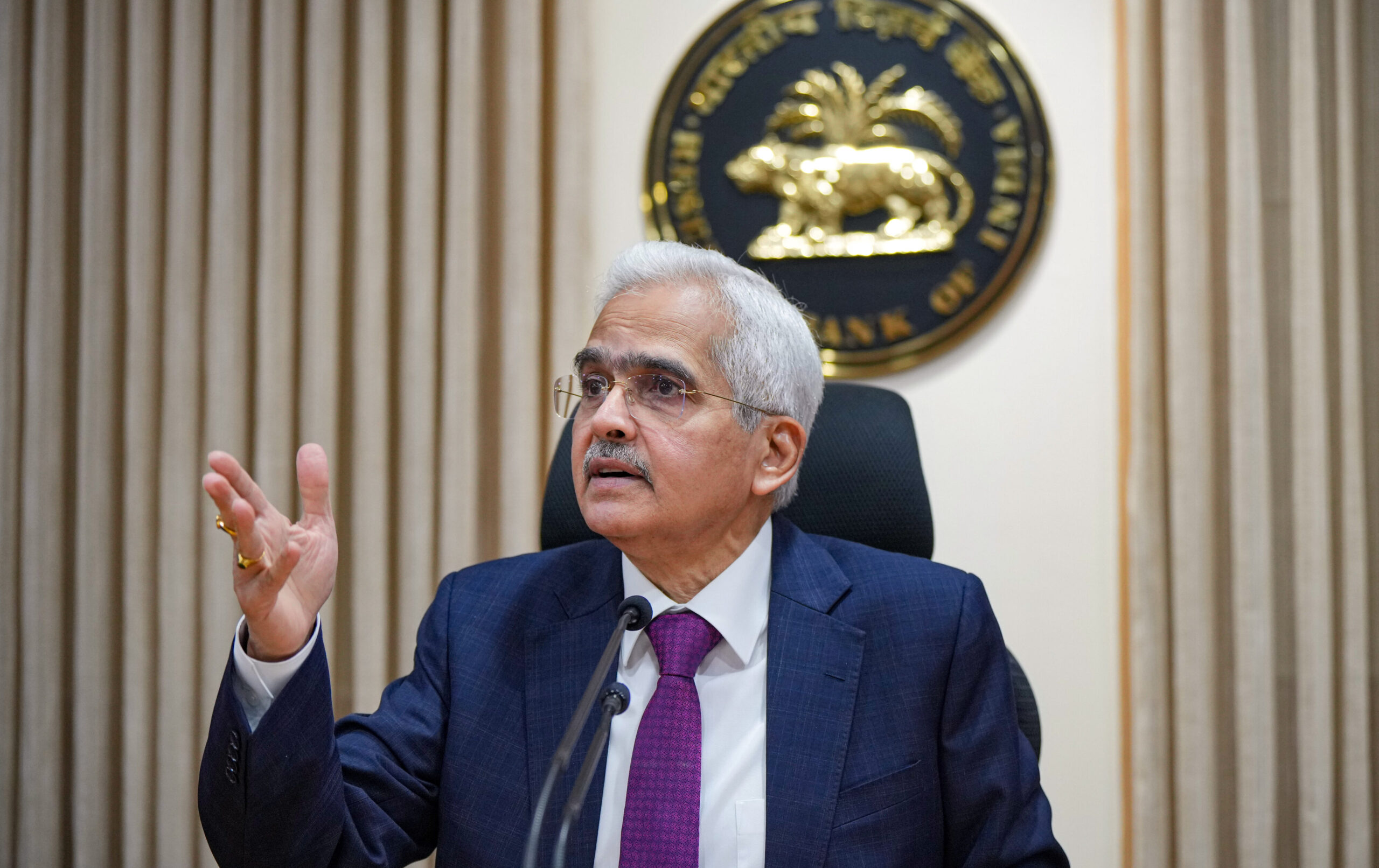
RBI Governor Calls for Swift Remittance Settlements as eRupee Trials Progress

The Reserve Bank of India (RBI) is at the forefront of developing and testing the eRupee Central Bank Digital Currency (CBDC), with a focus on streamlining financial settlement processes. During his keynote address at the RBI@91 conference held in New Delhi on October 14, RBI Governor Shaktikanta Das underscored India’s unique position as one of the few major economies operating a 24×7 real-time gross settlement (RTGS) system. He emphasized that with technological advancements, this system is set to evolve further, enabling quicker and more efficient transactions.

Das highlighted the eRupee CBDC as a crucial component of India’s ambition to build a world-class digital public infrastructure (DPI). He explained that this infrastructure has already fostered the development of various digital financial products, enhancing the overall financial ecosystem. The eRupee, according to Das, is designed to facilitate cost-effective cross-border transactions in real time, making it an essential tool for both domestic and international trade. The growing adoption of digital currencies worldwide, including those being explored by countries like China, Hong Kong, Iran, and Brazil, underscores the importance of the eRupee in the global financial landscape.

In light of these developments, the RBI has stressed the necessity of international collaboration to establish a standardized functional rulebook for CBDCs. Such an initiative is vital for enhancing the effective use of these digital currencies, particularly for expedited cross-border settlements. Das called for greater cooperation among central banks globally to ensure that CBDCs can be seamlessly integrated into the international financial system, thereby facilitating smoother and faster transactions across borders.

The advancements in the eRupee and other CBDCs represent a significant shift in the way financial transactions are conducted, with potential implications for both the domestic economy and international trade. As the RBI continues its efforts to refine the eRupee, the governor’s vision of a robust and interconnected digital financial ecosystem stands to transform how individuals and businesses engage in commerce. By prioritizing speed and efficiency, the RBI aims to position India as a leader in the evolving landscape of digital finance.