
Leaked Case Renders for iPhone SE 4 Indicate Design Resembling iPhone 7 Plus

The iPhone SE 4 is anticipated to make its debut in early 2025, incorporating advanced features such as Face ID to enhance user security and convenience. As the successor to the iPhone SE (2022), it was initially thought that the new model would mirror the design of the base iPhone 14. However, recent leaked case renders are challenging this assumption, suggesting that the upcoming iPhone may closely resemble the iPhone 7 Plus instead.

Prominent tipster Sonny Dickson recently shared alleged renders of the iPhone SE 4 cases on social media platform X. These leaked images, likely sourced from Chinese social media channels, provide a glimpse into the back panel design of the forthcoming device. The renders reveal a flat back panel accompanied by a dual rear camera setup, echoing the design elements seen in the older iPhone 7 Plus model. This design shift may indicate Apple’s intention to blend nostalgia with modern functionality.

The choice to adopt design features from the iPhone 7 Plus could serve multiple strategic purposes for Apple. By incorporating familiar aesthetics, Apple might appeal to loyal customers who appreciate the classic design while still integrating contemporary technology. Additionally, the dual-camera system suggests that the iPhone SE 4 will be positioned as a capable device for photography enthusiasts, allowing for improved image quality and versatility.

While the leaked case renders provide valuable insights, they remain unofficial, and Apple has yet to confirm any details regarding the iPhone SE 4’s design or specifications. As the launch date approaches, anticipation continues to build around this budget-friendly smartphone, especially with the inclusion of Face ID and a design that pays homage to previous models. If these leaks hold true, the iPhone SE 4 could carve out a unique niche within Apple’s lineup, offering a blend of traditional design and modern technology.
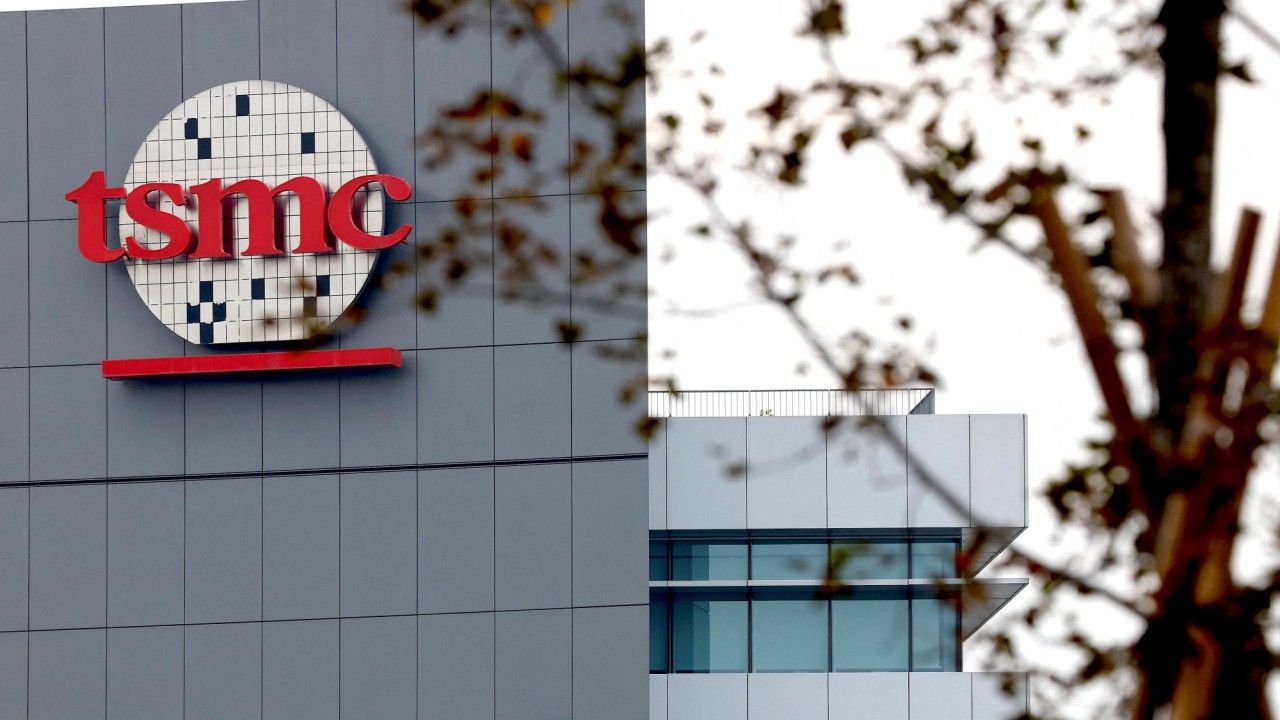
TSMC Set to Expand Chip Manufacturing with New Plants in Europe, According to Taiwanese Official

Taiwan Semiconductor Manufacturing Co. (TSMC) is gearing up to expand its manufacturing capabilities in Europe, particularly targeting the burgeoning market for Artificial Intelligence (AI) chips. This strategic move comes as TSMC seeks to broaden its global footprint amid rising demand for advanced semiconductor technologies. A senior official from Taiwan has confirmed these plans, underscoring the importance of the European market in TSMC’s future growth strategy.

In an interview with Bloomberg TV, Wu Cheng-wen, Taiwan’s Minister of the National Science and Technology Council, disclosed that TSMC has already initiated construction of its first semiconductor fabrication plant (fab) in Dresden, Germany. He noted that the company is actively planning additional fabs for various market sectors beyond just AI, indicating a comprehensive approach to meet diverse industry needs. This expansion aligns with Europe’s ambitions to bolster its semiconductor manufacturing capabilities, reducing dependency on external suppliers.

While Wu provided insights into TSMC’s plans, he did not specify a timeline for the further expansion of the company’s facilities in Europe. This lack of a concrete schedule leaves questions about when these additional fabs will come online. In response to inquiries regarding its future plans, TSMC issued a statement indicating that it remains focused on its current global expansion projects. The company emphasized that, at this time, there are no new investment plans announced beyond what is already underway.

The expansion into Europe reflects a broader trend in the semiconductor industry as companies aim to enhance local production capabilities in response to global supply chain disruptions and increasing demand for chips. As the AI market continues to grow, TSMC’s strategic investments in European manufacturing are expected to position the company favorably to cater to the evolving technological landscape. This move not only strengthens TSMC’s competitive edge but also supports Europe’s goals of establishing a more resilient and self-sufficient semiconductor supply chain.

NASA’s Hubble Space Telescope Reveals Stunning Spiral Galaxy with Multiple Starburst Regions

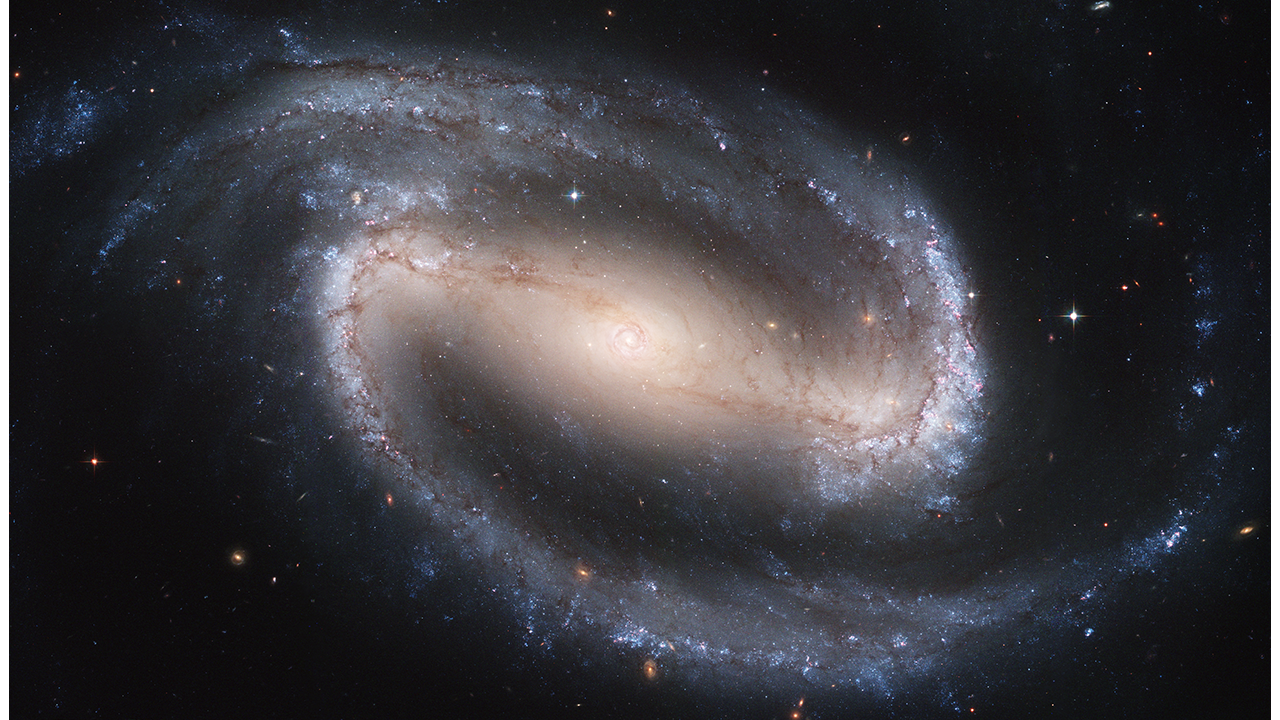
The Hubble Space Telescope has recently unveiled a stunning image of the spiral galaxy NGC 5248, located about 42 million light-years away from Earth in the constellation Boötes. Known as Caldwell 45, NGC 5248 is celebrated for its breathtaking spiral structure and vibrant starburst regions, which have made it a favorite subject for astronomers. This galaxy’s captivating features provide valuable insights into the processes of star formation and galactic evolution.

In the remarkable image captured by Hubble, NGC 5248 reveals its two prominent spiral arms that gracefully extend from a bright central region, almost reaching the edges of the frame. Dark reddish dust lanes weave through these arms, blocking some light and accentuating the intricate details of the galaxy’s structure. Scattered throughout the image are glowing points of bright pink, signifying areas where new stars are actively forming. These starburst regions contribute to the galaxy’s dynamic appearance, highlighting the ongoing processes of stellar birth and development.

Classified as a ‘grand design’ spiral galaxy, NGC 5248 features well-defined arms and a subtle bar structure at its core, although the bar is not fully visible in the Hubble portrait. The distinct morphology of this galaxy is crucial for understanding its evolutionary path. The well-defined spiral arms serve as pathways for the movement of gas and dust, influencing the dynamics within the galaxy and contributing to its star formation rates.

The dynamic flows of gas from the galaxy’s outer regions feed into the central star-forming areas, potentially directing material toward its central black hole. This interaction can facilitate the formation of an active galactic nucleus, a region of intense energy output at the core of the galaxy. As astronomers continue to study NGC 5248 and its intricate features, they gain deeper insights into the mechanisms of galaxy formation and the complex interplay between stars, gas, and dark matter in the universe. The Hubble Space Telescope’s observations of such galaxies not only enhance our understanding of the cosmos but also inspire awe and curiosity about the vastness of space.