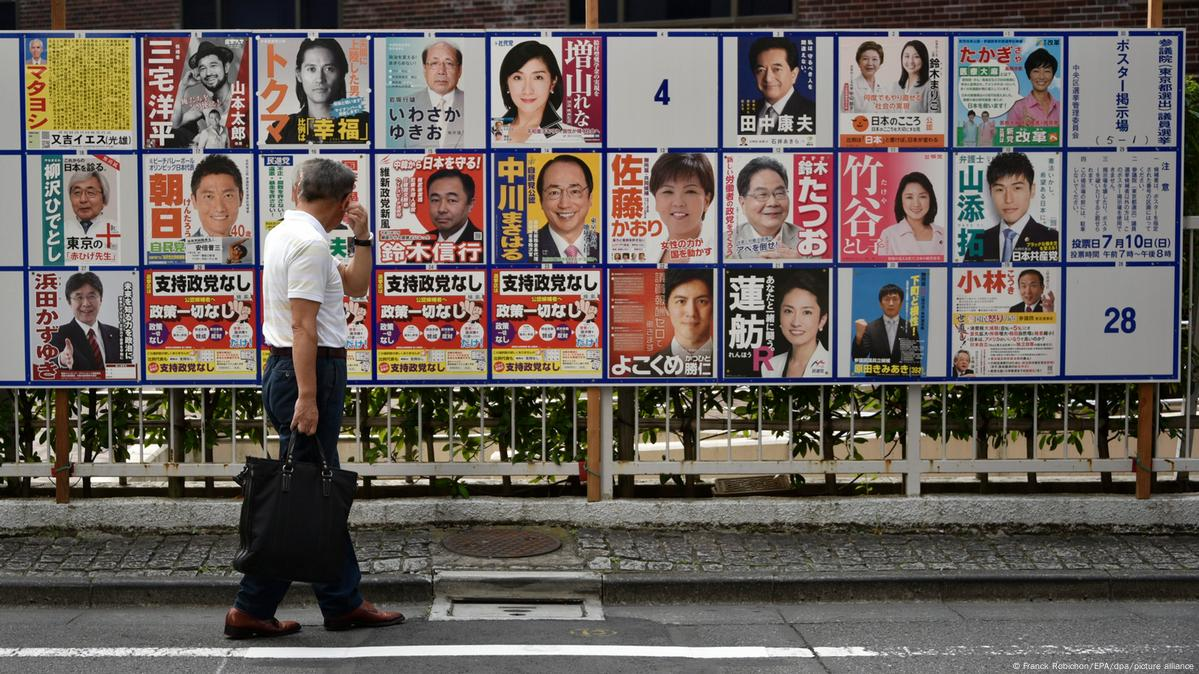
Japan’s Ruling Coalition Loses Majority in National Election, Future Government Composition Uncertain

Japan’s ruling coalition suffered a significant loss in the recent national election, failing to secure a parliamentary majority and sparking questions over the future of the world’s fourth-largest economy. Prime Minister Shigeru Ishiba’s Liberal Democratic Party (LDP), which has dominated Japan’s post-war political scene, and its coalition partner Komeito, collectively won 209 of the 465 seats, a sharp decline from their previous total of 279, according to NHK reports. This result marks the coalition’s most severe setback since 2009 when they briefly ceded power.

Addressing the defeat, a solemn Ishiba acknowledged the election’s challenges, while Komeito’s newly appointed leader Keiichi Ishii lost his own district seat. The primary opposition, the Constitutional Democratic Party of Japan (CDPJ), capitalized on public dissatisfaction, capturing 143 seats compared to 98 in the previous term. Voter frustration stemmed from a funding scandal and ongoing inflation, fueling a stronger opposition presence and complicating Ishiba’s pathway to solidifying his government.

The outcome may necessitate contentious coalition-building, introducing potential instability as Japan contends with economic challenges and rising tensions in East Asia. CDPJ leader Yoshihiko Noda expressed optimism, calling this “not the end, but the beginning” and signaling potential collaborations with other opposition groups to seek a change in government. Ishiba, meanwhile, indicated he would consider coalition options once all votes are counted.

This election occurred shortly after Ishiba assumed the LDP leadership, seeking a mandate to support his premiership. His predecessor, Fumio Kishida, resigned amid decreasing approval driven by rising living costs and unrecorded political donations scandals. The timing also coincided with an impending U.S. election, with analysts suggesting the Japanese markets, including the yen and government bond yields, are likely to face volatility due to this heightened uncertainty.

“The voters’ verdict on the ruling coalition was harsher than anticipated,” observed Mizuho Research and Technologies’ Saisuke Sakai, expecting an immediate market reaction, particularly a sell-off among foreign investors.

Smaller parties like the Democratic Party for the People (DPP) and the Japan Innovation Party could now play critical roles in forming a viable government. The DPP has secured 27 seats, and the Innovation Party has 35 seats, though both diverge from the LDP’s policies. DPP chief Yuichiro Tamaki has indicated a cautious openness to cooperation, but Innovation Party leader Nobuyuki Baba has rejected any alliance with the LDP. Key policy differences include the DPP’s proposal to cut Japan’s sales tax until wages increase and the Innovation Party’s push for tighter political donation regulations.

The fractured political environment could pose challenges for the Bank of Japan (BOJ) as it balances maintaining low-interest rates against pressures to support the yen. With opposition parties divided on monetary policy, pursuing economic goals, such as defense tax funding, could become more challenging without a strong governing coalition.
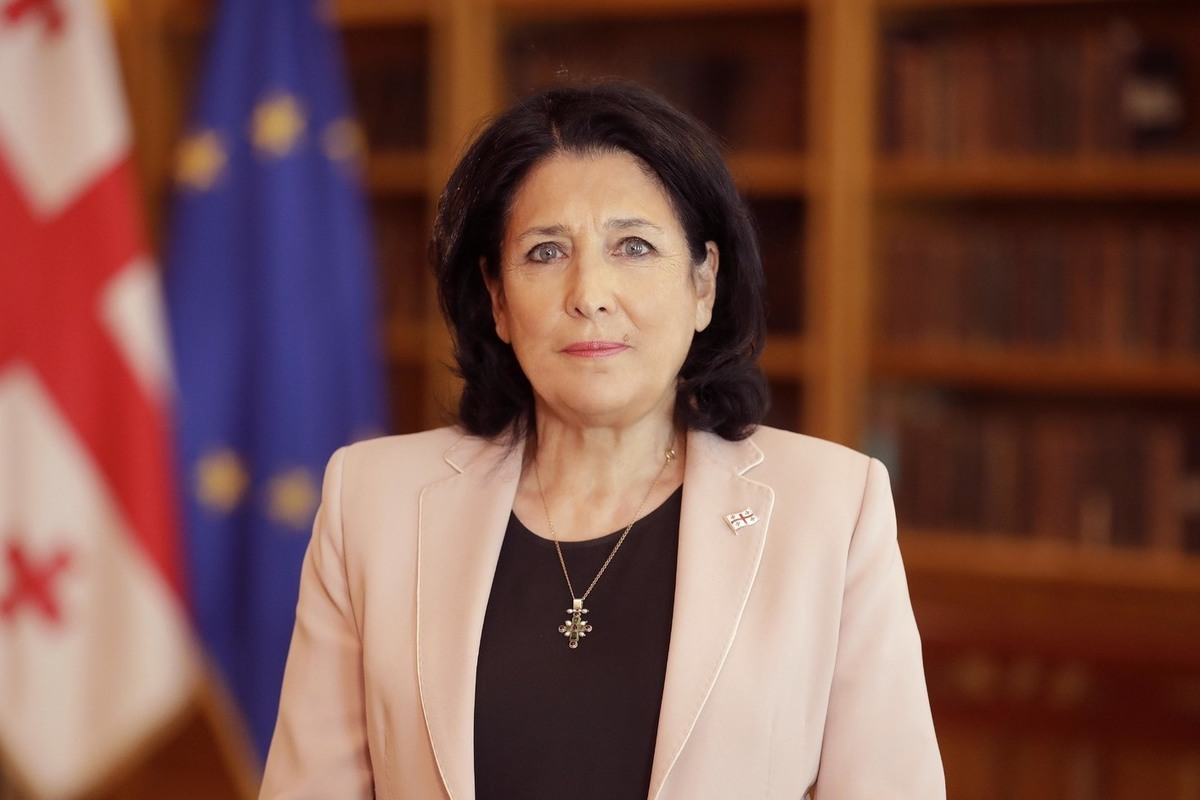

 

Georgian President Calls for Protests Against Disputed Election Victory of Ruling Party

In a move that could heighten political tensions, Georgian President Salome Zourabichvili called on citizens to protest the outcome of Saturday’s parliamentary elections, which officially granted a narrow win to the ruling Georgian Dream party. According to the electoral commission, Georgian Dream received nearly 54% of the vote, securing a fourth term with 89 parliamentary seats, despite claims from opposition parties and international observers of irregularities and potential fraud.

Zourabichvili, previously aligned with Georgian Dream but now a vocal critic, condemned the results, calling the election process a “Russian special operation” and asserting that the vote had been compromised, though she did not confirm direct Russian involvement. “It was a total fraud, a total taking away of your votes,” she stated to reporters. She urged Georgians to assemble in Tbilisi’s city center on Monday to publicly denounce the election and demand a fair investigation.

Despite widespread criticism, Prime Minister Irakli Kobakhidze defended the election’s integrity, arguing that international monitors’ statements did not challenge the legitimacy of the result. However, observers from the Organization for Security and Cooperation in Europe (OSCE) and other monitoring bodies reported issues such as ballot-stuffing, voter intimidation, and bribery, factors they noted could have impacted the outcome. European leaders, including European Council President Charles Michel, called for a thorough investigation into the alleged violations, emphasizing Georgia’s need to demonstrate its commitment to EU values if it hopes to progress on its stalled EU membership application.

Opposition leaders reacted strongly to the results, with many pledging to boycott parliament and calling on their supporters to protest. Nika Gvaramia, leader of the Coalition for Change, labeled the election a “constitutional coup” and accused Georgian Dream of orchestrating a “usurpation of power.” Tina Bokuchava of the United National Movement also condemned the outcome, accusing Georgian Dream of “stealing” the election. Polls taken at exit points reportedly showed the opposition leading, intensifying skepticism over the official results.

Bidzina Ivanishvili, the billionaire founder of Georgian Dream and its reclusive former leader, celebrated the party’s victory, stating that Georgian Dream’s policies had been vindicated by voters. His party campaigned on a platform of neutrality in the ongoing Ukraine conflict, a stance that has drawn both support and criticism. Although Georgian Dream officially supports EU membership, it has pursued policies, including a “foreign agents” law and limitations on LGBTQ+ rights, that have strained its relationship with the EU.

The Georgian election comes at a time of increased tension in the region, with Russia actively seeking to expand its influence in former Soviet territories. Some EU leaders have voiced concern about Georgia’s trajectory, questioning its commitment to democratic principles. In neighboring Moldova, for example, recent pro-EU election results were reportedly marred by Russian interference, underscoring the region’s volatility.

Hungarian Prime Minister Viktor Orbán, a long-time ally of Ivanishvili and an EU leader with close ties to Georgia, is expected to visit Tbilisi on Monday, underscoring the international significance of Georgia’s current political landscape. For Georgia, the election results could have far-reaching implications, especially as the country remains divided between pursuing closer EU ties or strengthening relations with Russia.

Oppo Pad 3 Pro Officially Launching

Oppo Pad 3 Pro Set for Launch

The Oppo Pad 3 Pro is poised for a significant debut in China, with the company confirming its launch date and sharing key details about the tablet. Scheduled to be unveiled on October 24 at 7 PM local time, this new device is generating considerable excitement, especially with speculations suggesting it may be a rebranded version of the OnePlus Pad 2. Alongside the tablet, Oppo is also preparing to introduce the Find X8 series of smartphones, making this a notable event for tech enthusiasts.

In terms of design, the Oppo Pad 3 Pro will be offered in two appealing color options: Dawn Gold and Night Blue. These choices reflect a modern aesthetic, appealing to users looking for both style and functionality. The tablet is currently available for pre-order on Oppo’s official e-store as well as other major e-commerce platforms, indicating strong demand ahead of its official launch.

The tablet will boast impressive RAM and storage configurations to cater to diverse user needs. Customers will have the option to choose from four different configurations: 8GB RAM with 256GB storage, 12GB RAM with 256GB storage, 16GB RAM with 512GB storage, and a top-tier variant featuring 16GB RAM and 1TB of storage. This range ensures that users can select a model that best fits their usage patterns, whether for gaming, professional applications, or media consumption.

Additionally, the specifications reveal that the Pad 3 Pro is equipped with a powerful chipset, although detailed information is yet to be officially disclosed. With the combination of advanced hardware and elegant design, the Oppo Pad 3 Pro is set to compete strongly in the tablet market, appealing to both casual users and tech-savvy consumers alike. As the launch date approaches, more information is expected to emerge, further heightening anticipation for this latest offering from Oppo.