
McAllen, Texas Ranks as the Most Affordable U.S. City for Living Costs

A recent report from Realtor.com places McAllen, Texas, at the top of the list of U.S. cities with the lowest cost of living. The ranking, based on the U.S. Department of Commerce’s Bureau of Economic Analysis regional price parities (RPP) data, considers price variations across states and metro areas. McAllen has an RPP of 86.92%, meaning its cost of living is roughly 13% below the national average. Residents in McAllen spend about $86.82 for every $100 on basic necessities, and the city’s median home price stands at $275,000.

Hannah Jones, a senior economic research analyst at Realtor.com, attributes McAllen’s affordability largely to its housing market. With ample land available and continuous investments, the housing supply in McAllen rose 41% year-over-year in September. This growth in housing stock keeps prices relatively low, with the home price-to-income ratio at 4.8. As Jones explains, “There’s been a good amount of investment in the area and that keeps home prices relatively low.”

McAllen’s border location also makes it a hub for tourism and international trade, and the city’s rich bicultural community draws visitors, especially those from Mexico, who cross the border frequently for shopping.

Top 10 U.S. Cities with the Lowest Cost of Living:

  1. McAllen, Texas
  2. Wichita, Kansas
  3. Little Rock, Arkansas
  4. Toledo, Ohio
  5. Scranton, Pennsylvania
  6. Dayton, Ohio
  7. Tulsa, Oklahoma
  8. Akron, Ohio
  9. Birmingham, Alabama
  10. El Paso, Texas

Wichita, Kansas, the second-ranked city, has a cost of living approximately 11% below the national average with a median home price of $292,700. Known as “The Air Capital of the World,” Wichita also has significant industrial and educational hubs.
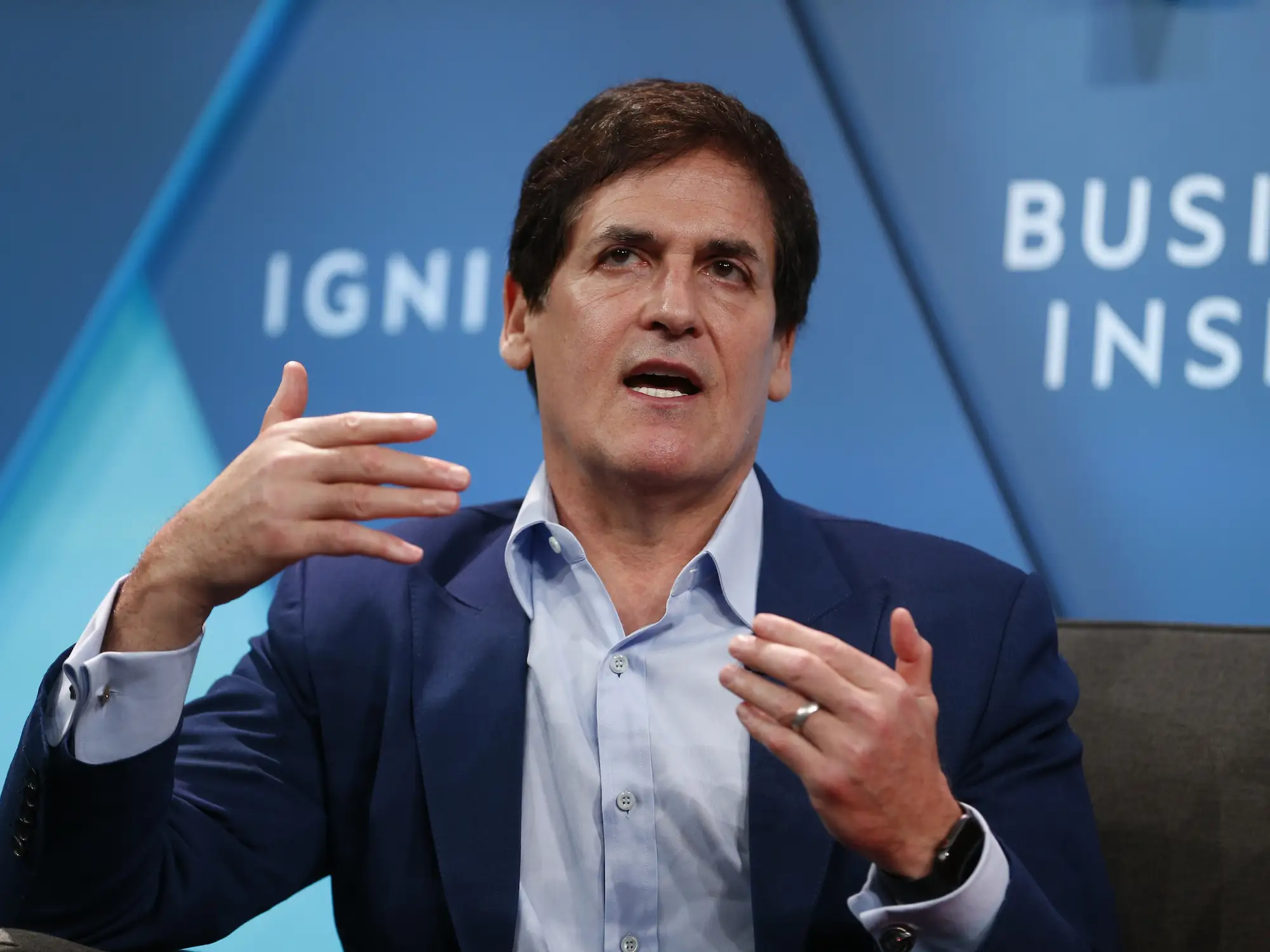
Mark Cuban Clarifies Position: No Cabinet Ambitions While Campaigning for Kamala Harris

Billionaire entrepreneur Mark Cuban stated on Sunday that he has no intentions of seeking a White House cabinet position, even as he actively campaigns for Vice President Kamala Harris in her presidential bid against former President Donald Trump. “I have no interest in being a politician of any type. I have no interest in serving in the cabinet for Kamala Harris or anybody,” Cuban said on ABC’s “This Week,” emphasizing his preference to remain an entrepreneur and disruptor rather than enter formal politics.

Cuban’s remarks come after previous statements seemed to suggest interest in a governmental role, particularly in regulatory reform. In a September interview on CNBC, Cuban openly criticized Securities and Exchange Commission Chair Gary Gensler, even volunteering to replace him, noting that he had told Harris’s team to consider him for the SEC position due to his desire to “change” its regulatory approach.

Though Cuban has not financially contributed to Harris’s campaign, he has become increasingly visible as her campaign surrogate, advocating for her policies and occasionally infusing his own regulatory perspectives. He recently argued for the removal of Federal Trade Commission Chair Lina Khan, critiquing her aggressive stance on Big Tech regulation. “I think the bigger picture is she’s hurting more than she’s helping,” Cuban said to Semafor, alluding to Khan’s strong antitrust focus, which he views as potentially harmful to corporate innovation.


Germany’s Far Right Stirs Controversy Over Bauhaus Legacy in Ongoing Culture War

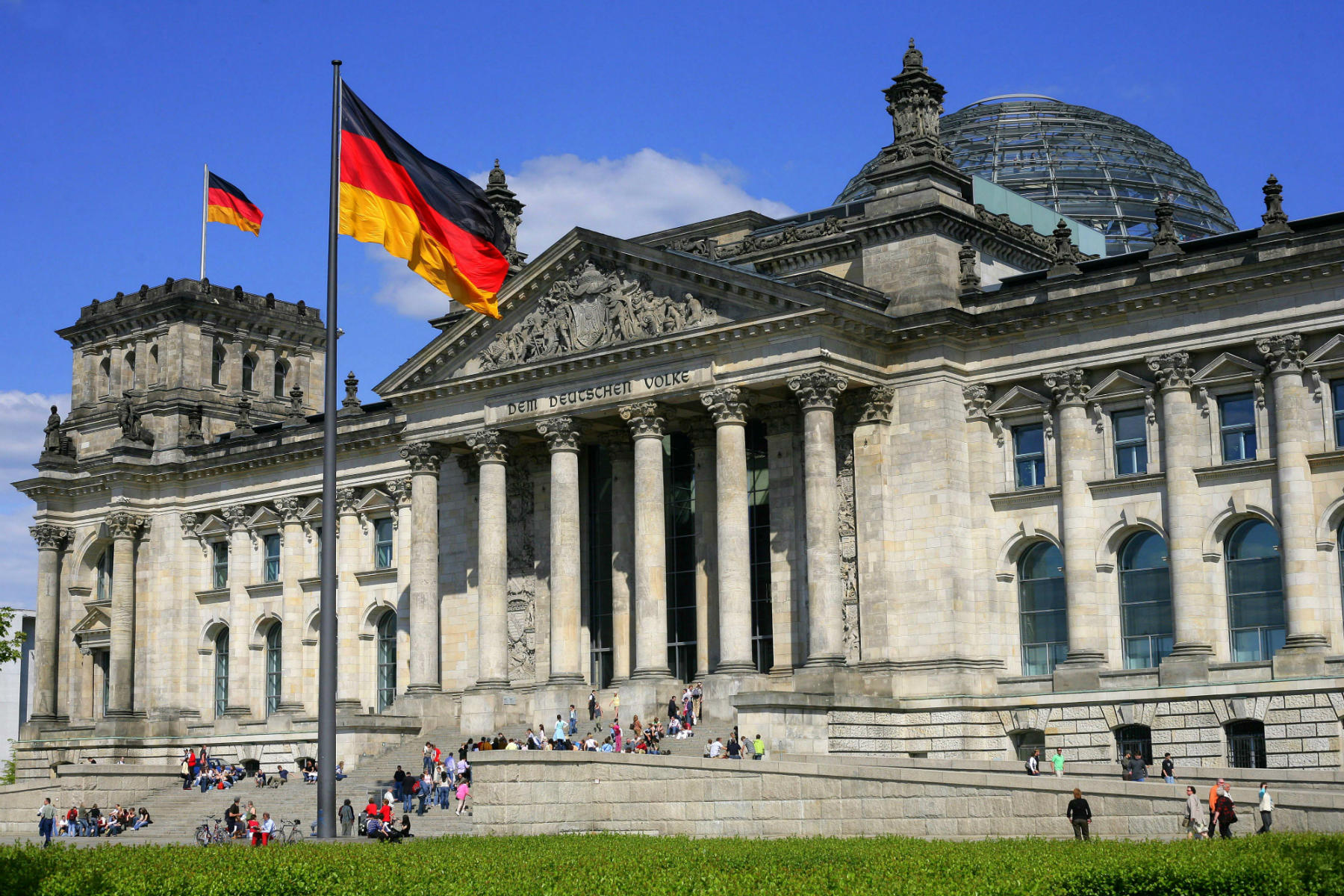
Germany’s far-right Alternative for Germany (AfD) party has stirred a heated debate over the Bauhaus movement, one of the 20th century’s most influential design schools, as the city of Dessau prepares to celebrate the centenary of Bauhaus’s move there in 1925. The AfD recently proposed that regional legislators avoid glorifying Bauhaus, claiming its cosmopolitan principles overshadow regional traditions, sparking backlash from supporters of the school’s cultural legacy. The proposal was promptly rejected by the Saxony-Anhalt parliament.

The Bauhaus, founded in 1919, aimed to blend traditional craftsmanship with industrial production and became a symbol of Germany’s interwar cultural renaissance, eventually attracting Jewish and international designers. Its avant-garde ethos was later banned under Nazi rule, making it a post-war symbol of cultural progress. However, the AfD’s criticism reflects its broader strategy of sparking cultural divides, framing itself as a defender of traditional values and national identity. This approach has been a key factor in its recent regional electoral success, underscoring AfD’s use of cultural issues to attract supporters amid economic challenges.

The Bauhaus Dessau Foundation’s Barbara Steiner notes that the AfD understands how cultural issues can resonate emotionally with the public. The movement’s international success in architecture and design, especially through icons like Ludwig Mies van der Rohe and Marcel Breuer, makes it a convenient target for the party’s narrative of defending “authentic” German culture. AfD legislator Hans-Thomas Tillschneider’s remarks in parliament further emphasized this tactic, framing Bauhaus as a fragile icon under critique.

The AfD’s stance on Bauhaus reflects a broader trend in conservative politics worldwide, where movements push back against modern design and cultural inclusivity to promote a return to traditional aesthetics, as seen with the Trump administration’s attempt to favor neoclassical architecture in federal buildings and Hungary’s Prime Minister Viktor Orban’s restoration of Budapest’s historic architecture.