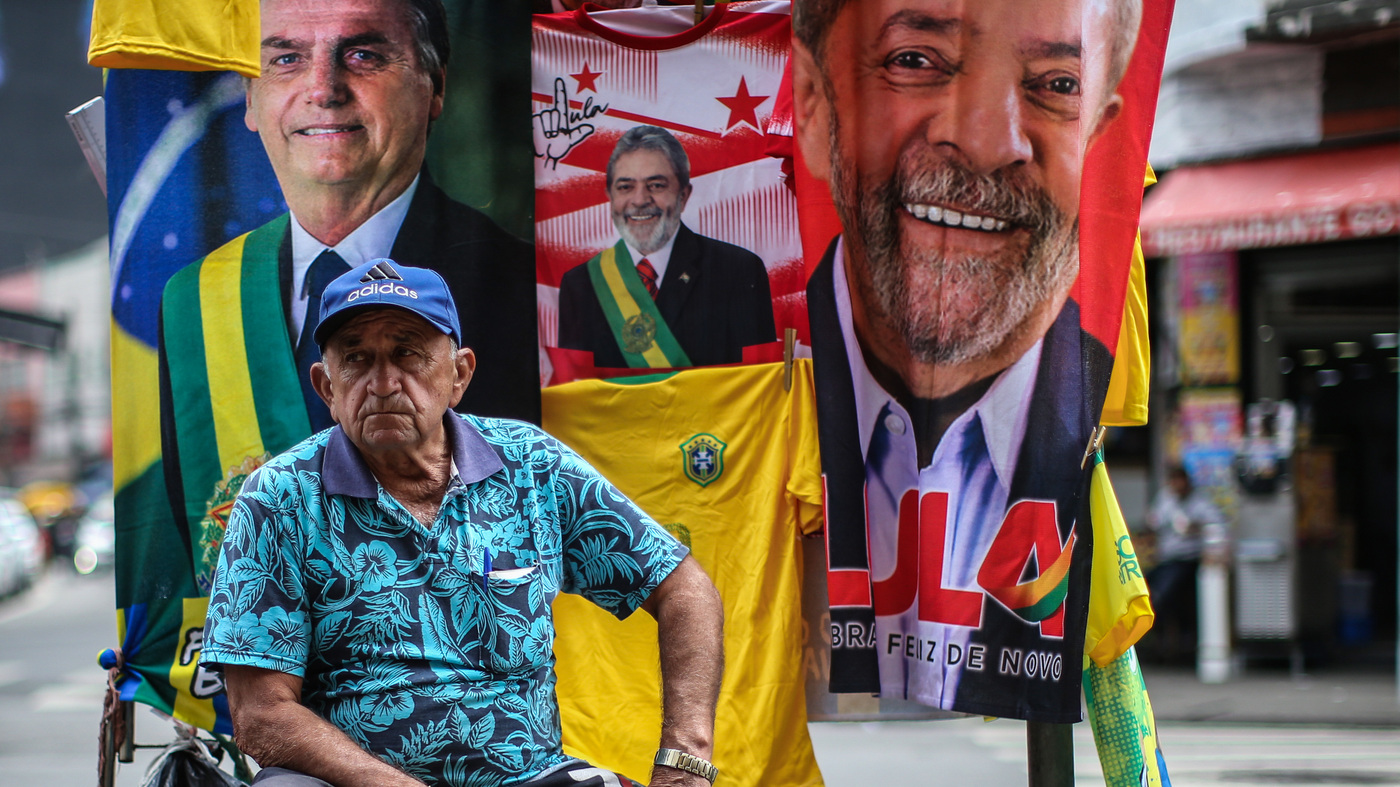
Brazil’s Municipal Runoff Elections Expected to Cement Right-Wing Influence Ahead of 2026

Brazilians headed to the polls Sunday in 51 cities for runoff elections to select municipal leaders, with expectations high for a right-wing consolidation that could influence the political landscape for the 2026 presidential and congressional elections. Right-leaning parties are projected to dominate, particularly in 15 state capitals choosing mayors for four-year terms, with former President Jair Bolsonaro’s Liberal Party (PL) likely to strengthen its influence.

President Luiz Inacio Lula da Silva’s Workers Party (PT) faces challenges, reflecting Lula’s declining approval. In the northeastern stronghold Fortaleza, the PT is in a tight contest against the PL for mayoral control. Lula’s campaign efforts have been minimal, partly due to recent health concerns, and his minority government is increasingly reliant on a conservative Congress.

In Sao Paulo, Brazil’s largest city, Bolsonaro-backed Mayor Ricardo Nunes is favored to win re-election, leading his leftist rival Guilherme Boulos by 48% to 37% in the latest Datafolha poll. This key race underscores Bolsonaro’s lasting impact despite his current political ineligibility. Nunes’ support persisted even after a recent power outage dented his popularity.

The right-wing momentum has fueled internal competition, particularly in Sao Paulo, where Bolsonaro’s followers were split between Nunes and Pablo Marcal, a far-right influencer eyeing Bolsonaro’s legacy. In Goiania, Bolsonaro’s PL faced conservative Uniao Brasil, with Governor Ronaldo Caiado supporting Uniao’s candidate, hinting at potential future divisions within Brazil’s conservative movement.

These runoffs are held in cities with over 200,000 voters where no candidate secured a majority in the first round on October 6. The outcome further solidifies Brazil’s rightward shift, with Lula’s PT failing to win any state capitals in this election cycle.
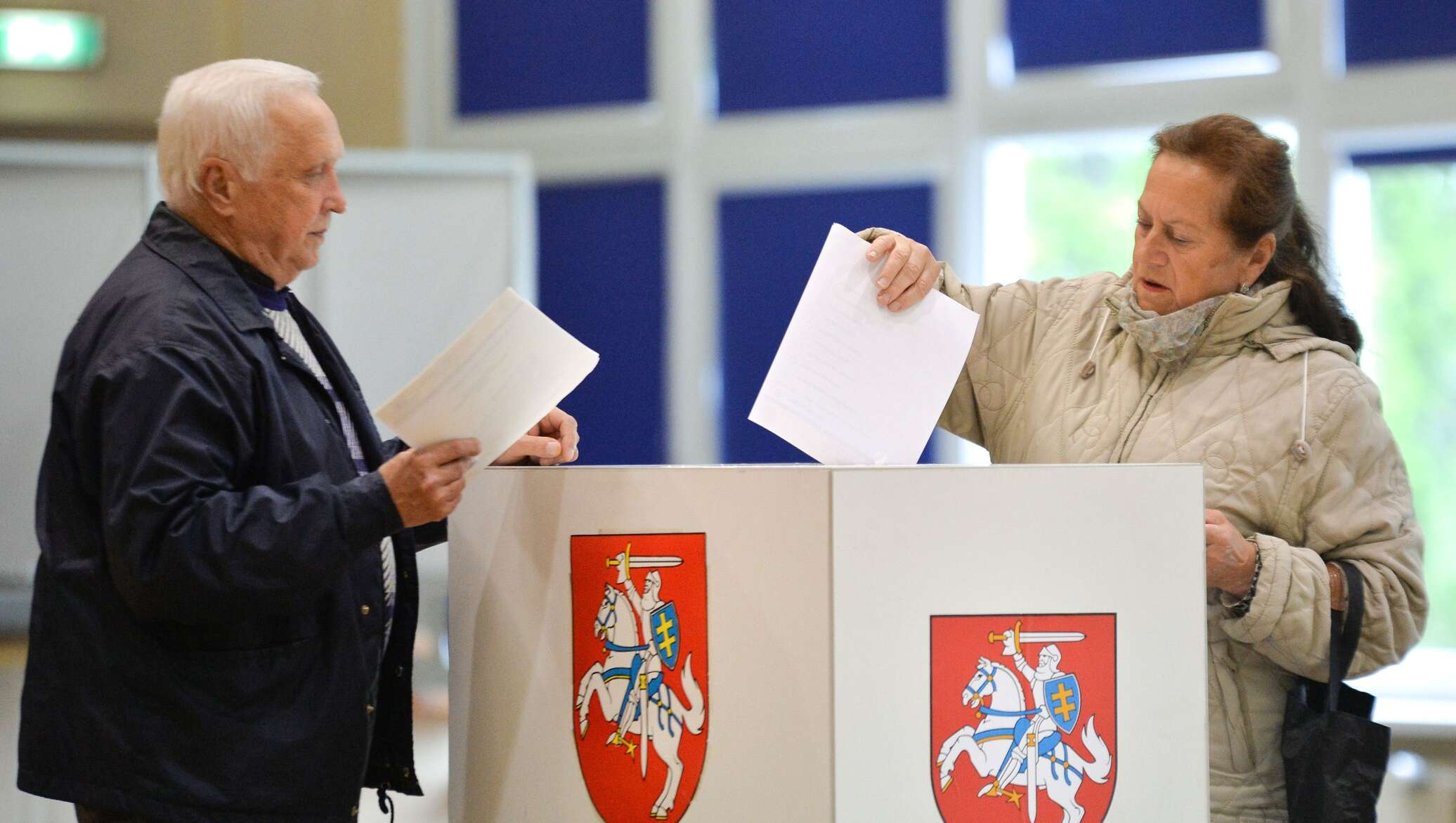
 

Lithuania’s Opposition Social Democrats Lead in Parliamentary Election, Set to Address Economic and Security Issues

The opposition Social Democratic (SD) party has taken a commanding lead in Lithuania’s parliamentary election’s second round, driven by voter concerns over the cost of living and regional security. Preliminary government data shows the center-left Social Democrats securing 33 seats with 64% of votes counted, building on their 20-seat lead from the first round, and placing them ahead of the ruling Homeland Union Party, which has won 6 additional constituencies alongside 18 seats from the first round.

Lithuania’s hybrid voting system combines popular votes with district-based run-offs, favoring larger parties in the 141-member parliament. If the Social Democrats form a government, they are expected to maintain Lithuania’s assertive stance against Russia, alongside sustained defense spending. Lithuania currently allocates 3% of its GDP to defense, ranking as NATO’s sixth-highest contributor by percentage.

Prime Minister Ingrida Simonyte’s center-right coalition has faced declining popularity due to persistent inflation, degraded public services, and increasing income inequality. The SD, led by Vilija Blinkeviciute, is already negotiating a majority coalition with two other parties, For Lithuania and the Farmers and Greens Union. During the run-offs, the SD allied with opposition parties to support candidates challenging Homeland Union nominees.

The Social Democrats’ campaign has prioritized reducing inequality, proposing higher taxes on wealthy citizens to bolster healthcare and social support. Meanwhile, security remains crucial for Lithuania, a NATO member bordering Russia’s Kaliningrad and Belarus, as many citizens fear potential Russian aggression. A recent survey revealed that 75% of Lithuanians believe an attack from Russia is likely in the near future, underscoring the national importance of stability amid regional unrest.

Full election results are anticipated around midnight (22:00 GMT).


Bulgaria’s GERB Party Leads Election, Prepares for Coalition Talks

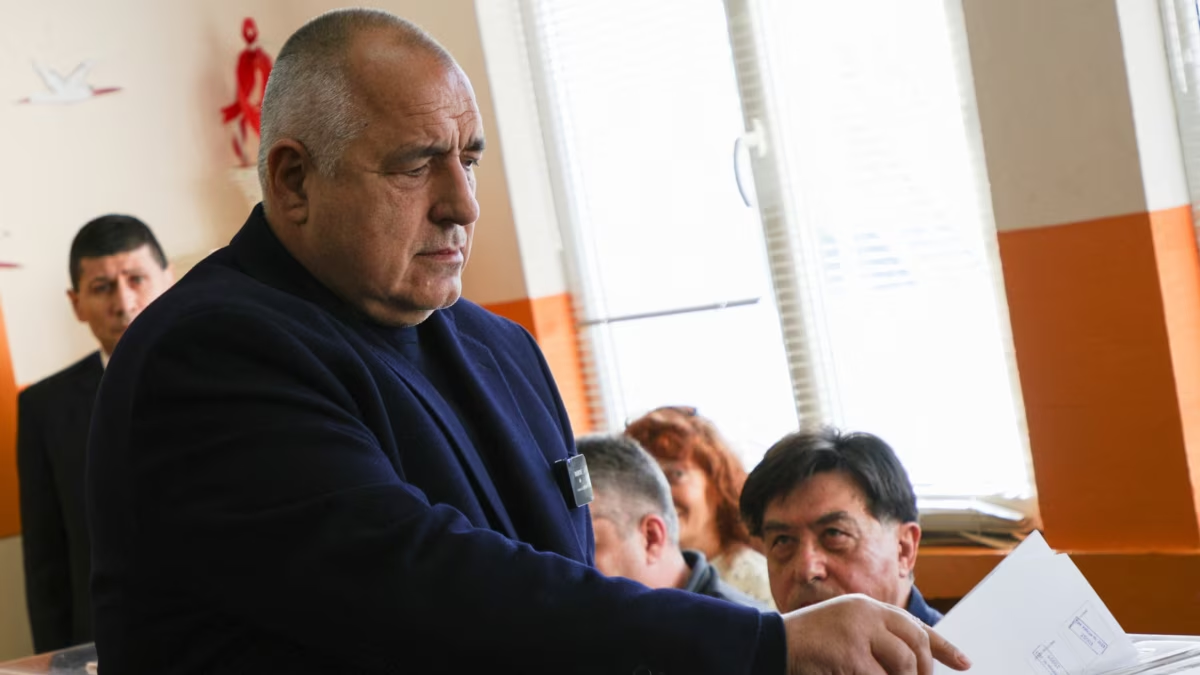
ulgaria’s center-right GERB party emerged as the frontrunner in Sunday’s parliamentary election, securing 26.4% of votes according to an Alpha Research exit poll. To establish a functioning government, GERB, led by Boyko Borissov, will need a coalition partner. Reformist party We Continue the Change (PP) followed with 14.9%, and the ultra-nationalist Revival party took third place with 12.9%.

This election marks Bulgaria’s seventh in just four years, triggered by a breakdown in coalition negotiations after the June 9 election. Borissov, thanking supporters, pledged to form a new government but ruled out working with Revival. GERB is projected to take 74 seats in the 240-seat parliament, while PP and Revival would secure 42 and 36 seats, respectively.

Former Prime Minister and PP member Nikolai Denkov emphasized the need for GERB to present a viable government proposal, highlighting the demand for stable governance to facilitate EU funding and Bulgaria’s bid to join the eurozone, slated for January 2025 but previously delayed due to inflation issues.

Amid ongoing political instability, some voters expressed concern over Bulgaria’s future. “What was expected, happened more or less … I think we are going to have more elections,” commented 60-year-old Vassil Vasilev.

Preliminary results from the state election commission are anticipated by 11 p.m. local time (2100 GMT).