NASA’s Curiosity Rover Faces Wheel Damage but Continues to Thrive on Mars

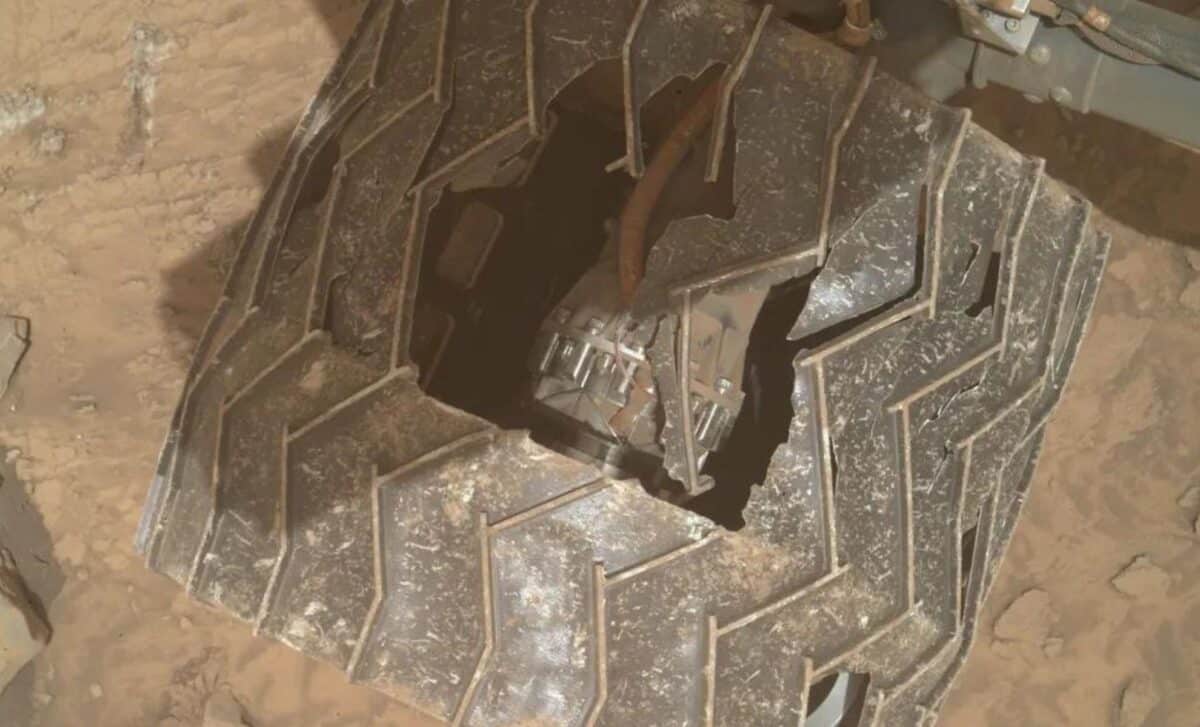
After over a decade of exploring the Martian surface, NASA’s Curiosity rover is beginning to exhibit signs of wear and tear on its wheels. Since its landing in Gale Crater in 2012, the rover has traveled approximately 20 miles (32 kilometers) across challenging and rugged terrain, leading to visible deterioration of its six wheels. Recent images captured by the rover’s Mars Hand Lens Imager (MAHLI) on September 22, 2024, showcase various forms of damage, ranging from minor dents to more severe gashes, illustrating the tough conditions Curiosity has endured on Mars.

Despite the extensive wear, Ashley Stroupe, a Mission Operations Engineer at NASA’s Jet Propulsion Laboratory (JPL), has reassured the public that the wheels remain operational. The rover’s wheel deterioration has been an ongoing issue, with signs of wear first detected as early as 2013. Given the nature of the Martian landscape, which is often filled with sharp rocks and uneven surfaces, some degree of damage was anticipated. In response to this, the Curiosity team has instituted regular inspections to monitor the wheels’ condition closely, ensuring the rover can continue its mission effectively.

To extend the lifespan of the wheels, the mission team has implemented several strategies. On occasion, they have redirected Curiosity away from particularly treacherous terrains that could exacerbate the damage. Moreover, in 2017, JPL engineers uploaded new software that allows the rover to adjust the speed of each individual wheel. This software enables Curiosity to minimize the pressure exerted on its wheels while traversing rocky landscapes, helping to mitigate further wear and tear.

The resilience of Curiosity’s wheels is a testament to both the engineering that went into the rover’s design and the proactive measures taken by the mission team. As Curiosity continues to explore the Martian surface, the insights gained from its performance and the wear on its wheels will contribute valuable knowledge to future missions. The ongoing success of Curiosity serves as a reminder of human ingenuity and the drive to understand our neighboring planet, despite the challenges presented by its environment.

Earth on Alert: Powerful X-Class Solar Flare Erupts from the Sun

The sun unleashed a colossal solar flare, registering as an X9.05 eruption. This remarkable event marks the most powerful flare recorded in the current solar cycle, illuminating the sunlit side of the Earth at its peak around 8:10 a.m. EDT (1210 GMT). The impact of this intense solar activity was felt across Europe and Africa, where significant shortwave radio blackouts occurred. High-frequency communication services experienced noticeable disruptions, affecting everything from aviation to maritime communications, highlighting the sun’s potential to influence technology on Earth.

The source of this powerful solar flare was sunspot group AR3842, which has a well-documented history of vigorous activity. Just days before the X9.05 eruption, this same sunspot group had released an X7.1 flare and generated a coronal mass ejection (CME). The CME, as reported by space weather forecaster Sara Housseal, is currently on a trajectory toward Earth, with an anticipated impact window between October 3 and October 5. This event is particularly exciting for aurora enthusiasts, as CMEs are known to trigger geomagnetic storms that can enhance auroral displays, turning the night sky into a vibrant tapestry of colors.

Understanding the effects of solar activity is crucial for predicting how such events impact our planet. Solar flares and CMEs release streams of electrically charged particles that interact with Earth’s magnetosphere. When these particles collide with atmospheric gases, they can create the stunning light displays we know as the aurora borealis in the Northern Hemisphere and the aurora australis in the Southern Hemisphere. The dynamic interplay between solar activity and Earth’s atmosphere serves as a reminder of our sun’s powerful influence.

The recent X-class flare underscores the need for ongoing monitoring of solar activity, as it can have significant implications for satellite operations, power grids, and communication systems on Earth. With the sun entering a more active phase, scientists and space weather forecasters are closely observing these developments to provide timely updates and warnings. As we brace for the potential effects of the incoming CME, the interplay of solar phenomena and Earth’s magnetosphere continues to be a captivating area of study, offering insights into the broader workings of our solar system.

Apple’s M4 MacBook Pro, iPad Mini, and More Set for November 1 Launch: Insights from Mark Gurman

Apple recently showcased its innovative products during its mega launch event in September, unveiling the highly anticipated iPhone 16 series, Apple Watch Series 10, and AirPods 4. As the excitement from that event begins to settle, rumors are swirling about another significant launch from the tech giant. Reports indicate that Apple is planning a second Fall event focused on the introduction of M4-chip models, including updates to its MacBook Pro, Mac mini, and iMac. This anticipated event is expected to take place later this month, with speculation about the exact timing intensifying.

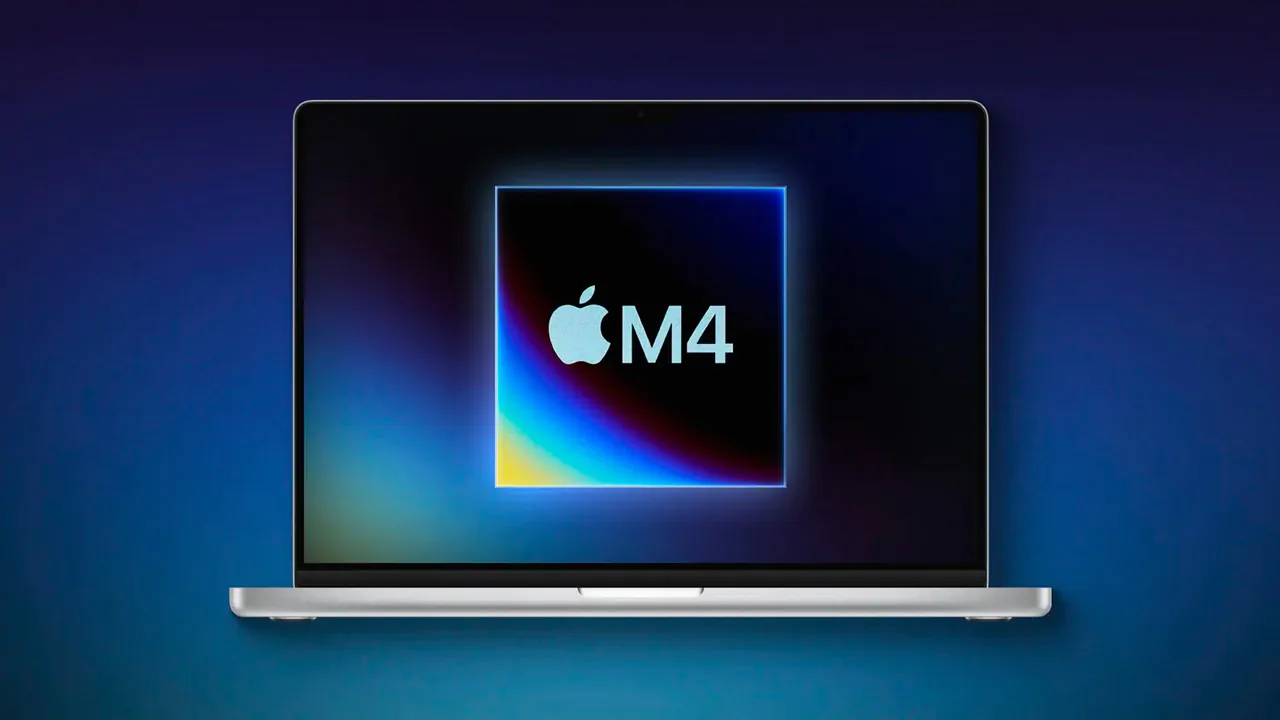
In his latest Power On newsletter, Bloomberg’s Mark Gurman has provided valuable insights into the upcoming launch. He mentions that Apple aims to hold this event around the end of October, with the possibility of some products being available as soon as November 1. Among the key offerings, Apple is expected to debut a 14-inch MacBook Pro powered by the new M4 chip, alongside high-end variants in both 14-inch and 16-inch sizes. These models, identified by the code names J604, J614, and J616, promise to deliver enhanced performance and efficiency, further solidifying Apple’s position in the competitive laptop market.

Additionally, Gurman has revealed that the event will feature a refreshed Mac mini, potentially equipped with either M4 or M4 Pro chips, under the code name J773. This update is expected to enhance the compact desktop’s capabilities, making it an attractive option for both casual users and professionals. Alongside the Mac mini, Apple is also set to introduce a revamped iMac with the M4 chip (J623), offering a modern design and improved performance tailored to creative and business users.

Lastly, the launch event is expected to include an upgraded iPad mini (J410), appealing to users seeking portability without sacrificing power. While the focus remains on the M4-chip products for this event, Gurman also notes that the M4 MacBook Air, new iPad Air models, and enhanced AirTags are anticipated to make their debut in the first half of 2025, signaling Apple’s ongoing commitment to innovation and its strategy to refresh its product lineup consistently. As the event approaches, excitement continues to build around what Apple has in store for its dedicated customer base.