Revolutionary Bionic Limbs: Harnessing Brain Signals for Enhanced Mobility in Amputees

Revolutionizing Bionic Limb Integration: Advances in Amputee Mobility

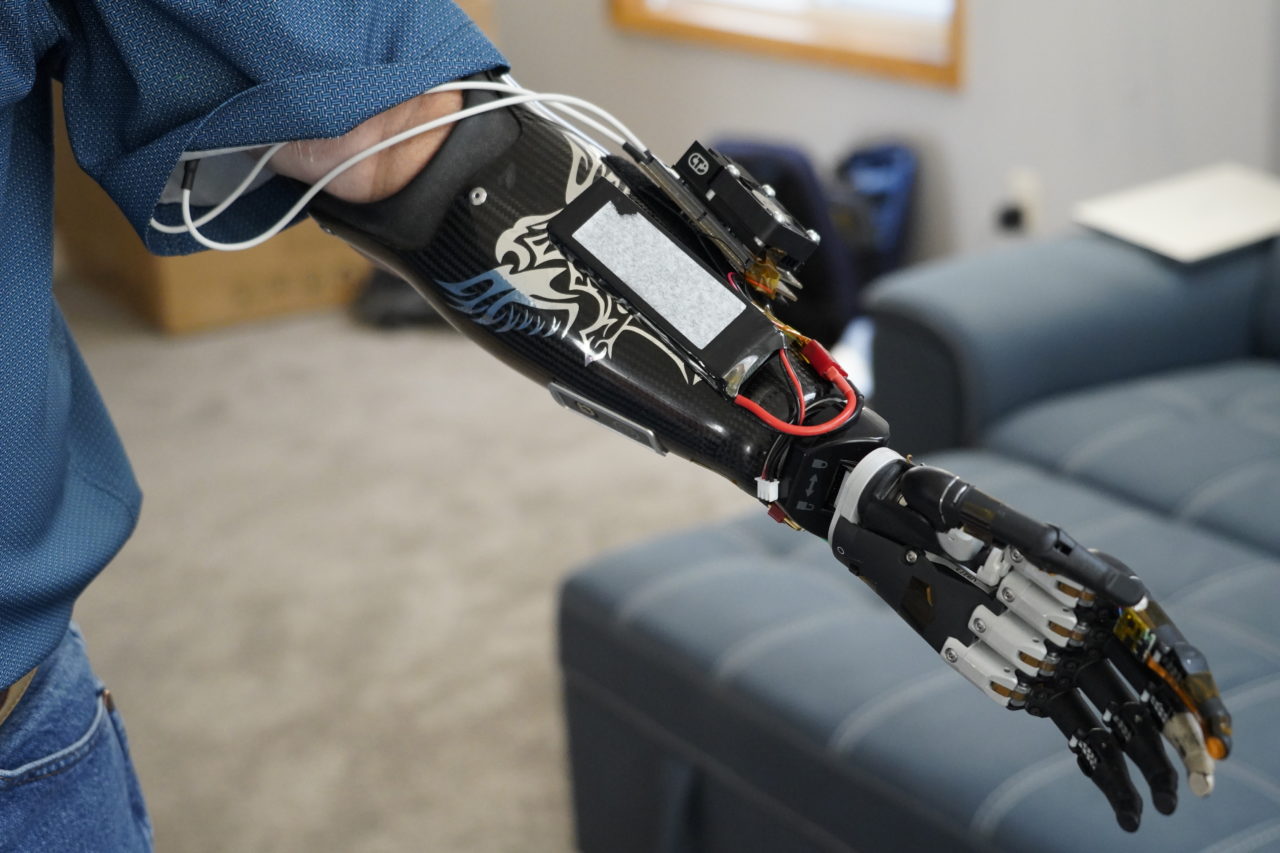
Recent advancements in bionic limb technology are transforming the lives of amputees, bringing us closer to a future where artificial limbs function seamlessly with the human body. A groundbreaking clinical trial has showcased a pioneering method that enhances the integration of bionic prostheses by surgically reconstructing muscle pairs. This innovative approach allows amputees to control robotic limbs through brain signals, significantly improving their ability to navigate obstacles and tackle stairs with greater ease and confidence.

The Anatomics Approach

Unlike traditional prosthetic designs, which often treat the human body as a limiting factor, bioengineer Tyler Clites advocates for an “anatomics” approach. This method seeks to harmonize the body with machinery by reconfiguring muscles, bones, and nerves to establish a more natural communication pathway between the bionic limb and the nervous system. By leveraging biological components, the prostheses can replicate natural movements and enhance proprioception—the body’s ability to sense its position and movement in space. This shift in perspective emphasizes the importance of creating a synergy between human anatomy and technology, fostering a more intuitive user experience.

Agonist-Antagonist Myoneural Interface (AMI)

At the heart of this integration is the agonist-antagonist myoneural interface (AMI) technique. By reconstructing muscle pairs, this innovative method allows users to perceive movements in their prosthetic limb as if they were part of their own body. In a recent trial involving AMI surgery, participants experienced a remarkable 40% increase in walking speed, bringing them closer to the pace of non-amputees. This improvement not only enhances mobility but also boosts the psychological well-being of users, as they can engage more freely in daily activities without the limitations often associated with conventional prosthetics.

Implications for the Future of Prosthetics

The success of the AMI technique and the anatomics approach marks a significant milestone in the field of prosthetics. As researchers continue to refine these methods, the potential for creating bionic limbs that feel and function like natural limbs is becoming a tangible reality. This progress opens the door to further innovations in rehabilitation, making it easier for amputees to adapt to their new prosthetics and regain independence. The implications extend beyond mobility; they challenge societal perceptions of disability, empowering individuals to reclaim their active roles in their communities.

A New Era for Amputees

As bionic limb technology continues to evolve, the focus on integrating these devices with the human body signifies a paradigm shift in prosthetic design. The advancements made through the AMI technique and the anatomics approach underscore the potential for a future where amputees can experience enhanced mobility and a higher quality of life. By bridging the gap between biology and technology, researchers are not only improving physical capabilities but also fostering a renewed sense of hope and possibility for individuals living with limb loss. The journey towards seamless integration is just beginning, but the path ahead is filled with promise and potential.

Revisiting Samurai Rituals: Fresh Perspectives from Translated Edo Period Manuscripts

Revealing the Ritual: Insights from Translated Edo Period Texts on Samurai Beheading

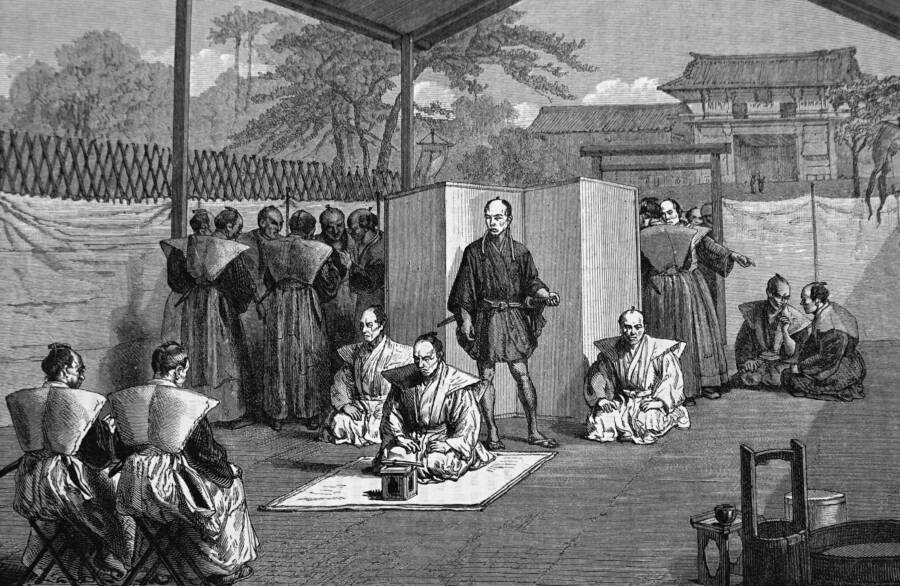
Recent translations of four significant Japanese texts offer profound insights into the ritual of samurai beheading during the Edo period (1603 to 1868). These texts challenge the widespread belief that samurai predominantly chose self-inflicted wounds as a means of honorable death. Instead, they reveal that beheading by a fellow samurai, known as kaishaku, was the more prevalent practice, highlighting the complex social and cultural dynamics surrounding this ritual. This perspective not only recontextualizes our understanding of samurai honor but also emphasizes the ceremonial importance attributed to death within the samurai code.

One of the most notable texts, The Inner Secrets of Seppuku, dates back to the 17th century and offers a wealth of teachings traditionally conveyed through oral traditions. Authored by Mizushima Yukinari, this work serves as a guide for samurai to ensure they are well-prepared for the solemnity of their fate. Eric Shahan, a scholar specializing in martial arts texts and a practitioner of Kobudo, has translated these teachings, making them accessible to modern audiences. The emphasis placed on preparation underscores the samurai’s duty to approach their end with dignity, illustrating the intricate relationship between life, death, and honor in samurai culture.

The translated texts also reveal that the ceremonial aspects of execution varied significantly based on the condemned’s rank. High-ranking samurai were afforded elaborate rituals that included the offering of sake before the execution. This ceremonial treatment not only served to honor the individual but also reinforced the hierarchical nature of samurai society. The role of the kaishaku, or designated second, was critical in these ceremonies, as they were tasked with swiftly beheading the condemned after presenting a knife, ensuring a quick and honorable death. This differentiation in rituals based on rank reflects the nuanced social structures within the samurai class and their customs regarding life and death.

Furthermore, one key instruction from the texts highlights the psychological aspects of the ritual, advising the kaishaku to focus on the eyes and feet of the condemned to maintain their martial composure. This guidance emphasizes the importance of mental fortitude and control, both for the kaishaku and the condemned, during such a harrowing moment. By studying these texts, we gain not only a clearer understanding of the samurai’s perspective on death but also insights into the broader cultural and philosophical underpinnings that shaped their actions. The newly translated texts enrich our understanding of samurai practices and invite a deeper exploration of the complexities surrounding honor, duty, and mortality in Edo-period Japan.

Research Indicates Ant Agriculture Originated 66 Million Years Ago

Ants have been engaging in agriculture for an astonishing 66 million years, a practice that began shortly after the catastrophic asteroid impact that led to the extinction of the dinosaurs. This event reshaped ecosystems, creating environments rich in decaying plant material that facilitated the rapid growth of fungi. As these fungi thrived, innovative ant species started to cultivate them, establishing a complex evolutionary partnership that has persisted through millennia. Recent research sheds light on the development and evolution of this remarkable relationship, providing insights into how ant agriculture has flourished.

A significant study published on October 3, 2024, in the journal Science, involved a team of scientists from the Smithsonian’s National Museum of Natural History, led by entomologist Dr. Ted Schultz. The researchers analyzed genetic data from hundreds of ant and fungus species to reconstruct an evolutionary timeline for when ants first began cultivating fungi. They examined a comprehensive dataset that included 475 species of fungi, with 288 cultivated by ants, alongside 276 species of ants, of which 208 practice fungus farming. This extensive research effort represents the largest compilation of data concerning fungus-farming ants ever assembled.

The study reveals that the intricate relationship between ants and fungi has endured for 66 million years, coinciding with the asteroid impact at the end of the Cretaceous era. While this event had disastrous consequences for many organisms, it created a favorable environment for fungi to thrive in the decaying leaf litter. This unique interaction laid the groundwork for a sustainable agricultural relationship, allowing ants to harness the growth of fungi as a reliable food source.

Moreover, the research highlights the evolutionary adaptations of both ants and fungi throughout this time. Ants have developed specialized behaviors and physical traits that enable them to cultivate and protect their fungal crops, while fungi have evolved mechanisms to optimize their growth in response to the ants’ farming practices. This mutualistic relationship not only demonstrates the resilience of these species but also underscores the intricate connections that define ecosystems. Understanding the origins and evolution of ant agriculture can provide valuable insights into the dynamics of other agricultural systems in nature and the evolution of mutualistic relationships.