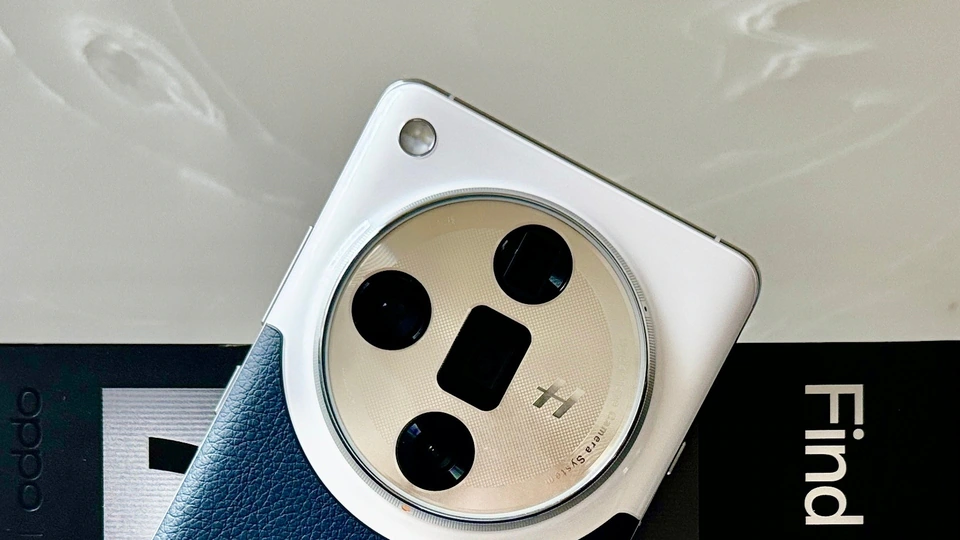
Oppo Find X8 Full Specifications and Live Images Leaked Before Official Launch

The Oppo Find X8 series is set to launch soon, and a new leak has revealed detailed specifications of the standard Oppo Find X8 model. The lineup has generated excitement as Oppo’s next flagship smartphones. According to recent leaks, the Oppo Find X8 will be powered by MediaTek’s forthcoming Dimensity 9400 SoC, expected to be officially unveiled on October 9. This latest processor aims to bring enhanced performance and energy efficiency to the device. The phone will reportedly run on Android 15, featuring Oppo’s ColorOS 15 skin.

The leaked images of the Oppo Find X8 show a sleek design that retains many of the premium elements from its predecessor, the Oppo Find X7. The images highlight a thin-bezel display and a center-aligned punch-hole camera on the front. Additionally, the back of the phone seems to have a glossy finish with a refined camera module housing multiple sensors, reflecting Oppo’s continued focus on advanced photography features.

With Oppo known for its photography innovations, the Find X8 is rumored to feature significant camera upgrades. The phone is expected to include a triple-camera setup, with a primary 50MP sensor, a telephoto lens, and an ultra-wide camera. These enhancements suggest that the device will target users looking for a high-quality photography experience, particularly with features like improved low-light performance and better image processing, powered by the new MediaTek chip.

As the launch date approaches, Oppo fans are eagerly anticipating further details about the device’s pricing and availability. While the leaked specifications hint at a powerful and premium smartphone, official confirmation from Oppo is expected soon, especially with MediaTek’s upcoming event likely unveiling the key processor powering the device. The Oppo Find X8 is shaping up to be a strong contender in the flagship smartphone market for 2024.

Google Experiments with Verified Check Marks in Search Results to Highlight Trusted Sources

Google is testing a new feature that adds verified check marks next to certain companies in search results, a spokesperson from the company revealed. This feature is designed to help users identify legitimate and verified sources of information, providing an extra layer of trust for businesses displayed in Google Search. The test aims to make it easier for users to avoid falling victim to fraudulent websites that may impersonate trusted companies, a growing concern in online spaces.

The use of check marks could significantly reduce instances of users mistakenly clicking on deceptive websites, which often display misleading information. These fraudulent sites can harm businesses by impersonating them, potentially damaging the company’s reputation and misleading customers about their services or products. With Google’s new feature, users would be able to more quickly spot verified businesses, ensuring they are interacting with authentic sources.

This experiment follows in the footsteps of social media platforms like Twitter (now X), which has implemented verified check marks to distinguish real accounts from imposters. Google is exploring how similar verification symbols could improve the user experience and protect both consumers and businesses from fraud. Although the feature is currently in the experimental stage, it highlights Google’s commitment to improving trust in its search results.

Google has not provided a timeline for a broader rollout of the feature but emphasized that it is always experimenting with ways to enhance user confidence and security while navigating its platform. The verified check marks could eventually become a standard part of the search interface, especially as online misinformation continues to rise.

Meta Introduces Gen AI Model for Video and Audio Creation, Challenging OpenAI’s Offerings

Meta has unveiled its latest generative AI model, Movie Gen, designed to create both video and audio clips in response to user prompts. This move positions Meta in direct competition with leading media generation tools from companies like OpenAI and ElevenLabs. According to Meta, Movie Gen can produce highly realistic videos paired with synchronized audio, all driven by AI. This new tool is part of the company’s broader push to integrate AI-driven content creation into its platforms.

Meta has demonstrated the model’s capabilities by sharing samples of generated videos. These examples include animals engaging in various activities such as swimming and surfing, as well as depictions of real individuals, created from their actual photos, performing actions like painting on a canvas. This versatility sets Movie Gen apart, as it promises not only dynamic visual creation but also detailed personalizations of user-provided images.

What makes Movie Gen particularly intriguing is its ability to generate background music and sound effects that are synchronized with the visual content of the videos. Meta has positioned this functionality as a significant leap forward, claiming that the model can produce more immersive experiences by aligning both sound and visuals. Moreover, users can leverage the tool to edit existing videos, making it a valuable asset for creators looking to enhance their content with AI-generated elements.

This announcement marks Meta’s continued investment in artificial intelligence and its desire to lead the next phase of content creation. By rolling out tools like Movie Gen, Meta aims to provide creators with innovative ways to produce and customize media, making AI-driven storytelling accessible to a broader audience.