
Google Meet Rolls Out New Call Interface and Contact Suggestions for All Users

Google Meet has started rolling out a revamped call interface to all users, bringing updates that were previously limited to enterprise accounts. The new interface features a pill-shaped search bar positioned at the top of the screen, providing users with a more streamlined way to search for contacts. Additionally, users will now receive contact suggestions directly on the call screen, based on their recent interactions, such as frequently contacted people or starred contacts. This is part of Google’s continuous efforts to enhance user experience by making meetings more intuitive and accessible.

The new user interface (UI) update also includes larger, redesigned buttons to create or schedule meetings, making it easier to navigate and initiate calls. Users can now see suggestions for calls in a grid layout, which simplifies the process of finding the right contact, especially for those who regularly interact with large teams. These improvements are designed to offer a more efficient and organized experience, particularly for users who manage multiple meetings or engage with numerous colleagues daily.

In conjunction with the UI updates, Google Meet has also introduced a home screen shortcut that allows users to join meetings via a code. This shortcut, labeled “Code,” enables participants to quickly enter a meeting code without navigating through multiple menus. This feature enhances the speed and ease with which users can connect to scheduled meetings, particularly when time is limited.

The rollout of these new features follows closely on the heels of Google’s introduction of an artificial intelligence (AI) tool for Meet, which generates notes after the conclusion of a meeting. This AI-driven feature further exemplifies Google’s push toward improving both the organization and productivity of virtual meetings, catering to the growing demand for smart, user-friendly video conferencing solutions.
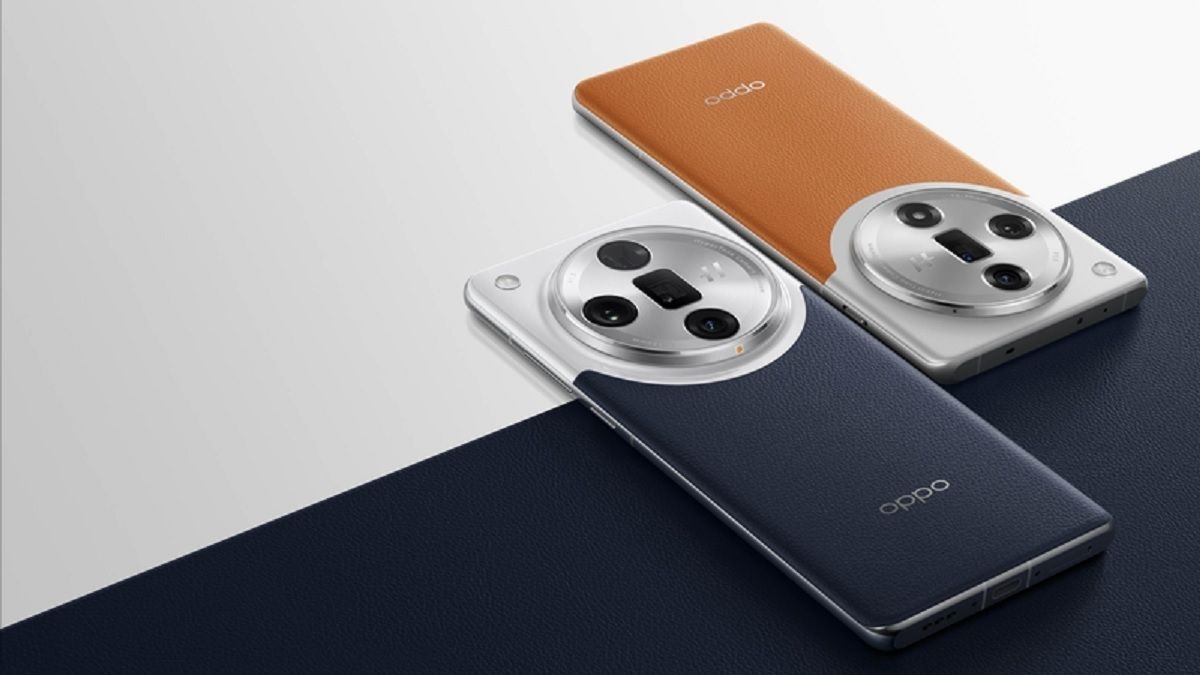
Oppo Find X8 Pro Display Leaks Hint at Stunning Features, Full Series Specs Revealed

The Oppo Find X8 series is gearing up for its launch in China, with expectations of three models: the base Find X8, the Find X8 Pro, and the premium Find X8 Ultra. Over the past few weeks, leaks and rumors have offered glimpses into the specifications and features of these upcoming devices. Recently, an Oppo official provided a more detailed look at the Find X8 Pro’s display design and hinted at some key features of the base model. Additionally, Oppo has teased that the series will include AI-backed reflection removal tools for photo editing.

The Find X8 Pro’s display was revealed in a Weibo post by Zhao Yibao, the Oppo Find series product head. The display design suggests a flat screen with very slim, uniform bezels, providing a clean, modern look. At the top center of the screen, there is a hole-punch cutout that houses the front-facing camera, following the same design trend seen in other high-end smartphones. This design aligns with earlier leaks regarding the display of the base Find X8 model, emphasizing Oppo’s focus on creating a visually appealing front panel.

Under the hood, the Find X8 Pro is expected to pack powerful hardware. It was recently spotted on a benchmarking site, revealing that the device will be powered by the MediaTek Dimensity 9400 chipset. This chipset will be paired with 16GB of LPDDR5T RAM, ensuring fast and smooth performance, even during resource-intensive tasks. Additionally, the Pro model will feature a massive 1TB of UFS 4.0 built-in storage, providing ample space for apps, games, and media.

Along with top-tier hardware, the Oppo Find X8 series is also expected to introduce new software features. Oppo has teased AI-backed reflection removal tools, which would enhance the photo editing capabilities of the phones. This AI-powered feature would allow users to remove unwanted reflections from images, helping to improve the overall quality of their photos. With the combination of advanced hardware and innovative AI tools, the Oppo Find X8 series is shaping up to be a strong contender in the premium smartphone market.

Internal Builds of HyperOS 2.0 Surface on Xiaomi 15 Series and Other Devices: Report

Xiaomi introduced HyperOS last October with the Xiaomi 14 series, replacing its MIUI skin. Now, the company is reportedly testing its next iteration, HyperOS 2.0, on several devices, including the highly anticipated Xiaomi 15 and Xiaomi 15 Pro. Although Xiaomi has not officially revealed the release date for HyperOS 2.0, it is expected to be based on Android 15. Internal builds of the operating system have surfaced, giving an early glimpse into the potential features and performance improvements users might expect.

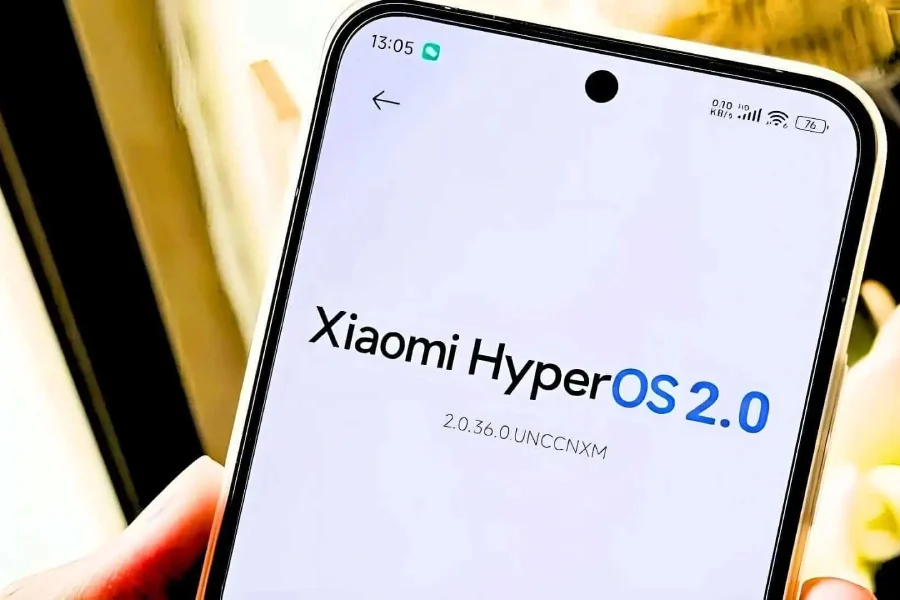
According to a report from GizmoChina, internal builds of HyperOS 2.0 were spotted on the Xiaomi 15 and Xiaomi 15 Pro, featuring firmware versions OS2.0.1.5.VOCCNXM and OS2.0.1.2.VOBCNXM, respectively. The publication also shared an image showing the testing version running on a Xiaomi device. This discovery suggests that Xiaomi is already in the advanced stages of testing the software for its next flagship smartphones.

In addition to the Xiaomi 15 series, internal builds of HyperOS 2.0 have also been found on other devices from the Xiaomi 14 lineup. The Xiaomi 14, Xiaomi 14 Pro, and Xiaomi 14 Ultra were reportedly running firmware versions OS2.0.0.24.VNCCNXM, OS2.0.0.22.VNBCNXM, and OS2.0.0.16.VNACNXM, respectively. These builds indicate that Xiaomi may soon roll out the new version to its current flagship devices as well.

While the internal builds hint at HyperOS 2.0’s imminent arrival, details about the specific features and enhancements remain under wraps. Xiaomi’s transition from MIUI to HyperOS marks a significant shift in its software development, and users are eagerly awaiting to see how HyperOS 2.0 improves the Android experience on Xiaomi’s latest devices.