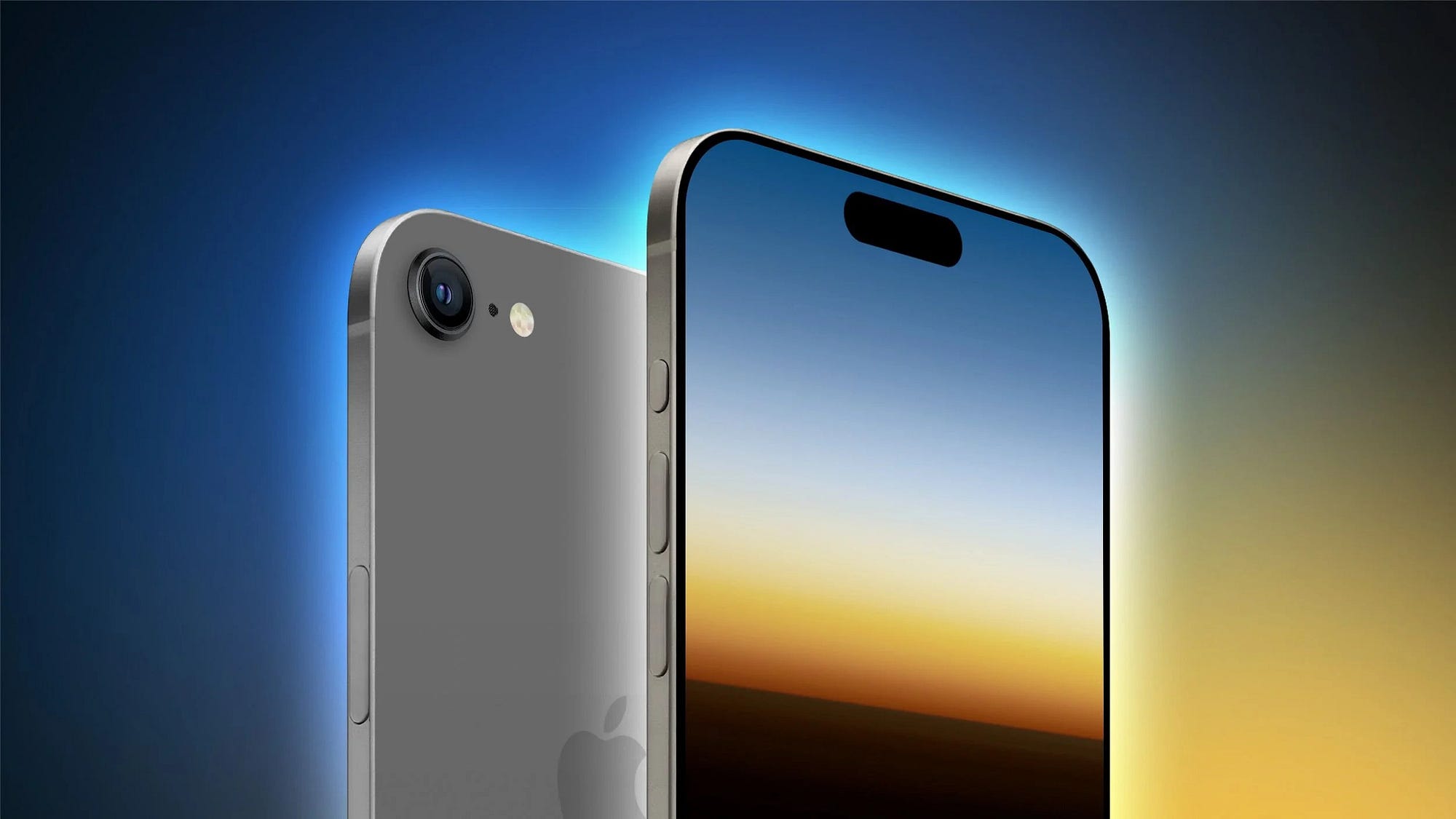
iPhone 17 Air Expected to Be Apple’s Slimmest Model Yet, Powered by A19 Chips Built with TSMC’s Latest Technology

While the iPhone 16 series was only recently unveiled in September, reports about Apple’s next-generation smartphones, the iPhone 17, are already making waves. According to recent leaks, Apple may be discontinuing the iPhone Plus model in favor of a new “Slim” version, which could feature a significantly thinner design. Analysts suggest that the iPhone 17 Slim, or “Air” model, could be thinner than Apple’s iconic iPhone 6, potentially making it the slimmest iPhone the company has ever released.

According to Jeff Pu of Haitong International Tech Research, the iPhone 17 Air could be as thin as 6mm, a substantial reduction compared to Apple’s previous designs. Pu’s research note, shared via MacRumors, affirms the speculation that this ultra-slim model will measure in at just 6mm, a major leap forward from the thickness of the iPhone 6, which previously held the record at 6.9mm. This would make the iPhone 17 Air a highly anticipated device, especially for users seeking a sleek, lightweight design without compromising performance.

If true, the iPhone 17 Air would surpass the current iPhone 16 lineup in terms of slimness, with the iPhone 16 Pro and iPhone 16 Pro Max measuring 8.25mm thick, and the iPhone 16 and 16 Plus models at 7.8mm. Apple’s push towards thinner devices could signal a new trend in the smartphone industry, where design and portability become as important as performance and features.

Additionally, the iPhone 17 series will be powered by Apple’s next-generation A19 chips, which are expected to be manufactured using cutting-edge technology from TSMC. This new manufacturing process promises improved performance, efficiency, and power management, further elevating the iPhone 17’s status as a top-tier smartphone. With thinner designs and more powerful internals, the iPhone 17 series is shaping up to be one of Apple’s most innovative releases yet.

Sony Reportedly in Negotiations to Acquire FromSoftware’s Parent Company, Maker of Elden Ring

Sony is reportedly in negotiations to acquire Kadokawa, the influential Japanese media conglomerate behind Elden Ring, the critically acclaimed game developed by FromSoftware. The deal, if finalized, would see Sony expand its already diverse entertainment portfolio, which spans gaming, music, and film. Two sources familiar with the matter have revealed that discussions are ongoing, with the possibility of a deal being signed in the coming weeks.

Kadokawa’s stock saw a significant surge following the news, jumping 23 percent to hit the daily trading limit. Before the Reuters report, the company’s market capitalization was estimated to be around $2.7 billion (approximately Rs. 22,791 crore). Despite the buzz surrounding the potential acquisition, neither Sony nor Kadokawa have provided official comments on the matter, with both companies keeping details under wraps for the time being.

Sony’s existing relationship with Kadokawa already includes a two percent stake in the company, as well as a share in Kadokawa’s subsidiary, FromSoftware. The latter is the renowned developer behind Elden Ring, which became a global hit due to its open-world design and collaboration between game director Hidetaka Miyazaki and Game of Thrones author George R.R. Martin. The success of Elden Ring has solidified FromSoftware as one of the most influential game studios of the decade, and acquiring Kadokawa could give Sony greater control over its portfolio of popular franchises.

If Sony successfully acquires Kadokawa, it would be a major strategic move to bolster its position in the gaming and entertainment sectors. The addition of FromSoftware and its associated intellectual properties would further strengthen Sony’s PlayStation ecosystem, complementing its existing slate of first-party studios. This potential acquisition also signals a growing trend of consolidation in the gaming industry, where major players are increasingly looking to secure top-tier developers to stay competitive in the ever-evolving market.

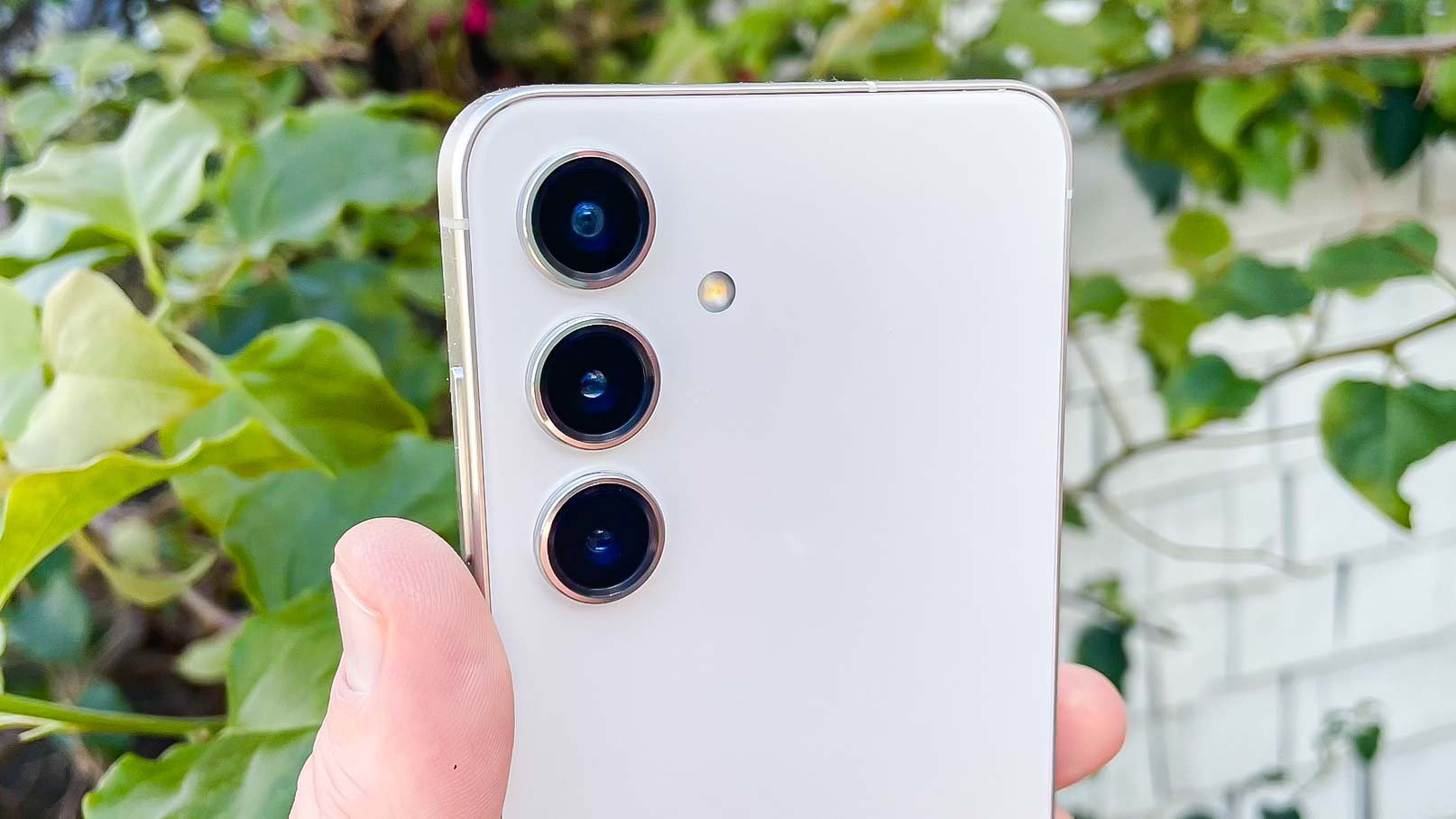
Samsung Reportedly Plans to Keep Galaxy S25 Series Prices Stable to Rival Apple

The Samsung Galaxy S25 series is set to be officially unveiled globally in early 2024, and as anticipation builds, several key features of the upcoming smartphones have already surfaced. The lineup is expected to include a base model, a Plus version, and a high-end Ultra variant. While much of the focus has been on the devices’ capabilities and new innovations, fresh details about the pricing of the Galaxy S25 series have now emerged, suggesting that Samsung is planning to keep prices steady for this generation of phones.

According to a report from Sammy Fans, citing a post by tipster Jukanlosreve on X (formerly Twitter), Samsung is unlikely to increase the price of the Galaxy S25 models when compared to the Galaxy S24 series. This strategy appears to be a direct response to Apple’s decision not to raise the prices of its upcoming iPhone 16 series, maintaining a competitive edge in a market where pricing remains a significant factor in consumer decisions. By holding the line on pricing, Samsung may be aiming to make its devices more appealing to buyers who might otherwise be drawn to Apple’s offerings.

The expected pricing for the Samsung Galaxy S25 series in the US suggests that the base model will start at around $799 for the 12GB RAM + 128GB storage variant, with the 12GB + 256GB version priced at $859. Meanwhile, the larger Galaxy S25+ variant is rumored to be priced at $999 for the 12GB RAM + 256GB model and $1,119 for the 12GB + 512GB version. These prices reflect a strategy of maintaining similar price points to the Galaxy S24 series, ensuring that Samsung remains competitive with other flagship devices in the market.

By holding the prices steady, Samsung could be positioning the Galaxy S25 as a strong contender against Apple’s iPhone 16 series, offering consumers high-end features at competitive prices. With the tech landscape growing increasingly competitive, especially in the premium smartphone segment, pricing strategies like this one could play a key role in attracting potential buyers who are looking for value without sacrificing performance or features.