Alibaba Shares Rise 3% Following 58% Profit Surge in September Quarter

Chinese e-commerce giant Alibaba reported a substantial 58% increase in net profit for the September quarter, outpacing market expectations. The strong earnings performance drove a 3% premarket surge in the company’s U.S.-listed shares, underscoring growing investor confidence.


Key Financial Highlights

  • Net Income: 43.9 billion Chinese yuan ($6.07 billion), significantly exceeding the forecasted 25.83 billion yuan (LSEG).
  • Revenue: 236.5 billion yuan ($32.72 billion), slightly below analyst projections of 238.9 billion yuan.
  • Share Performance: Alibaba’s New York-listed shares have gained nearly 17% year-to-date and climbed 3% in premarket trading following the earnings announcement.

Drivers of Growth

  • Cloud Business Acceleration: A key contributor to Alibaba’s improved profitability, reflecting the company’s diversification beyond traditional e-commerce.
  • Singles’ Day Success: The company reported strong gross merchandise volume (GMV) for its Taobao and Tmall platforms during the annual shopping event, along with a record number of active buyers.
  • Improved Retail Metrics: October retail sales in China rose 4.8% year-on-year, surpassing expectations and indicating a rebound in consumer spending.

Challenges in the Chinese Economy

Alibaba’s results come amid broader economic sluggishness in China, including a protracted real estate market slump and a tepid retail environment. However, recent government stimulus measures — including a five-year, 1.4-trillion-yuan package — aim to revive growth.


Market Outlook

  • Analysts are closely watching Alibaba as a barometer for China’s economic recovery. ING analysts noted that the company’s trajectory remains tightly linked to the broader Chinese economy and regulatory landscape.
  • With a focus on its cloud division and increasing consumer engagement through platforms like Taobao and Tmall, Alibaba appears well-positioned to leverage improvements in domestic economic conditions.

Conclusion

Alibaba’s strong September quarter performance highlights the resilience of its diversified business model, particularly in the cloud computing sector, and signals cautious optimism amid ongoing economic challenges in China. The company’s future growth will likely hinge on the effectiveness of government stimulus measures and the pace of recovery in consumer sentiment.
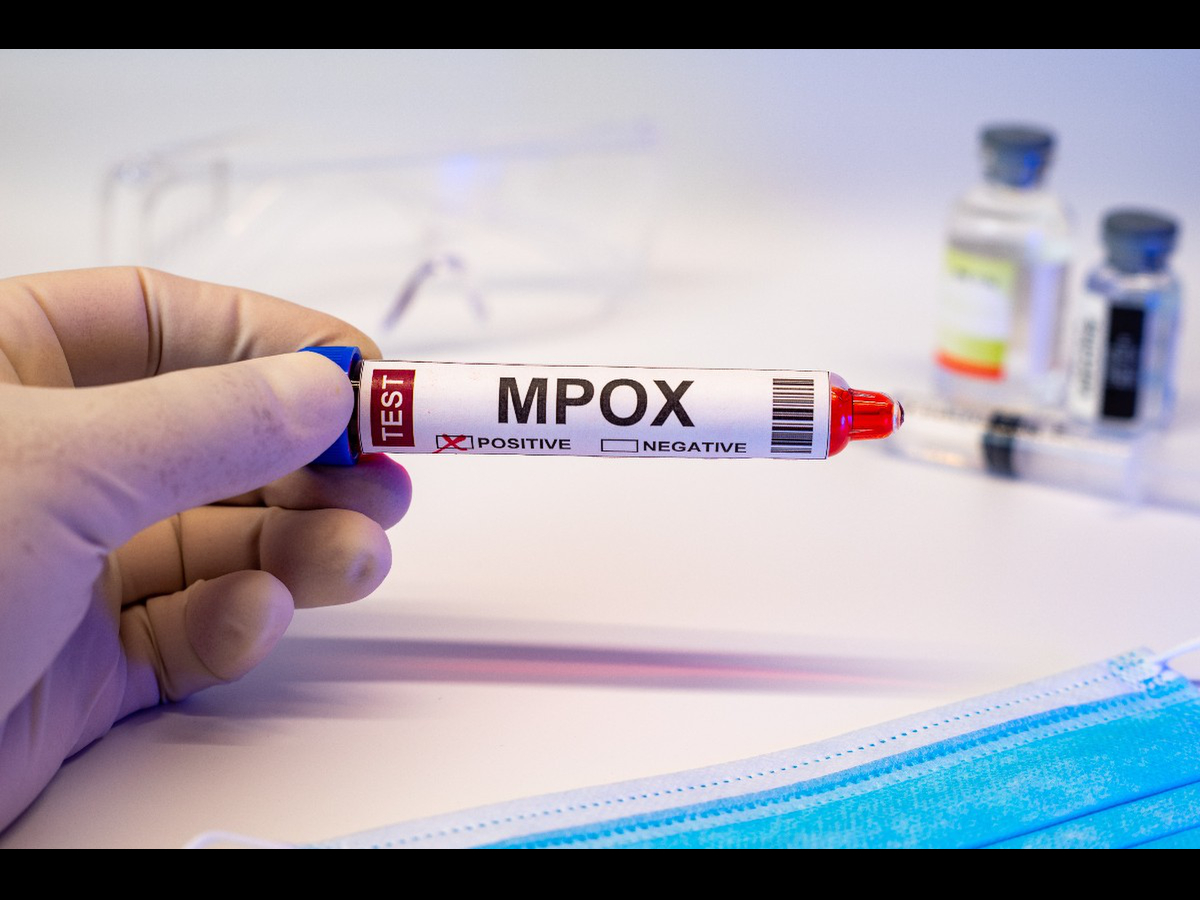

 

Health Advocates Demand Lower Prices for Mpox Tests from Cepheid

Global health advocates are urging diagnostics firm Cepheid to slash the price of its GeneXpert mpox test from $20 to $5 per test. This reduction, they argue, is critical to combat low testing rates in poorer countries like the Democratic Republic of Congo (DRC), which is among the hardest hit by the mpox outbreak.


Current Challenges

  • High Test Costs: Cepheid’s GeneXpert test is one of three World Health Organization (WHO)-approved diagnostics for emergency mpox testing. However, its current pricing is unaffordable for low-income nations, particularly in Africa.
  • Rising Cases in Africa: The WHO reported an overall increase in mpox cases across Africa, with some stabilization in Congo. Yet, inadequate testing infrastructure hampers confirmation of cases, limiting effective responses.

Advocacy Efforts

  • A coalition of health groups, including Public Citizen and Médecins Sans Frontières, sent a letter to Cepheid and its parent company, Danaher. They are pressing for a price reduction to $5 and prioritization of supplies to African nations.
  • Advocates argue that Cepheid’s existing network of diagnostic machines in Africa, widely used for tuberculosis testing, could be leveraged for mpox diagnostics if costs are reduced.

Cepheid’s Response

  • Cepheid stated it has ramped up production of its mpox test to meet urgent demands, particularly following requests from the WHO.
  • The company claims to offer “significant” discounts through an access program for orders placed via WHO and related organizations, but has not disclosed specific pricing details.

Historical Precedent and Cost Analysis

  • In 2022, Danaher reduced prices for its tuberculosis tests to $7.97 after similar activist campaigns. Advocates argue that mpox tests could be produced for less than $5, based on research and cost analyses.
  • Public Citizen’s Peter Maybarduk emphasized that the recent WHO approval of Cepheid’s mpox test offers an opportunity to expand testing globally, stating, “Lower prices would help health agencies meet the moment.”

Conclusion

Lowering the price of mpox diagnostic tests is crucial to managing outbreaks in vulnerable regions. Cepheid’s actions in response to the advocacy push will determine the extent to which testing can be scaled up in poorer countries, especially as the virus continues to pose significant health challenges in Africa.


Bayer Shareholders Urge CEO to Accelerate Turnaround Amid Declining Shares

Bayer AG (BAYGn.DE) is under increasing pressure from its shareholders to quicken its turnaround efforts following a dramatic 14.5% drop in share value earlier this week. The German agriculture and pharmaceutical giant has seen its stock hit a 20-year low after warning of weaker farmer demand impacting earnings for 2025.

CEO Bill Anderson, who has been implementing restructuring measures since his appointment, is being urged to deliver tangible results to restore shareholder confidence and reverse the company’s downward trajectory.


Challenges Facing Bayer

  1. Weak Market Conditions: A slump in farmer incomes, exacerbated by broader agricultural trends, has hit Bayer and competitors like BASF and Corteva.
  2. Specific Setbacks: Bayer faces unique challenges, including delays in U.S. regulatory approval for a new generation of soy seeds, expected to dent 2025 earnings.
  3. Monsanto Aftermath: The $63 billion acquisition of Monsanto in 2018 continues to weigh on Bayer through debt and ongoing U.S. litigation over claims that Monsanto’s Roundup weedkiller causes cancer.
  4. Pharma Struggles: While new drugs like Nubeqa (prostate cancer) and Kerendia (kidney disease) show promise, bestselling blood thinner Xarelto is declining due to patent expiration.

Shareholders Demand Action

Cost Cutting and Efficiency

  • CEO Anderson’s efforts include cutting managerial roles, streamlining decision-making, and reducing bureaucracy.
  • Shareholders, including Deka Investment and Union Investment, say these changes have not yet significantly impacted revenue or costs.

Pipeline Strengthening

  • Investors like Union Investment’s Markus Manns emphasize the need for a stronger pharmaceutical pipeline and clearer long-term growth strategies.

Market Performance and Valuation

  • Bayer’s warning of declining earnings contrasts with previous analyst expectations of a 3% increase in adjusted earnings by 2025.
  • Despite an attractive valuation at 3.9 times estimated forward earnings (compared to BASF at 11.5 and Corteva at 18.7), analysts at BMO Capital Markets hesitate to recommend the stock due to contracting earnings.

CEO’s Vision and Investor Sentiment

Anderson has pledged to contain litigation risks and improve operational performance. However, shareholder patience is wearing thin. Ingo Speich from Deka warned that without results, management would face increased scrutiny.

While Bayer struggles to project when earnings will bottom out, Anderson remains optimistic about the company’s “bright future.” However, turning this vision into reality will require significant progress in both pharmaceuticals and agricultural products.