Asus ROG Phone 9 Sets New AnTuTu Benchmark Record Ahead of Global Release

The Asus ROG Phone 9 is all set for its global launch today, following nearly a month since its official announcement. As the anticipation builds, new details have emerged about the smartphone’s performance, with its AnTuTu benchmark scores making waves in the tech community. According to the latest information, the ROG Phone 9 has achieved the highest benchmark score of any smartphone to date, further solidifying its position as a powerhouse in mobile gaming and performance.

The Asus ROG Phone 9, model number ASUSAI2501A, reportedly scored an impressive total of 3,121,390 on the AnTuTu benchmark platform, a feat that surpasses all other smartphones. This score highlights the device’s superior capabilities, particularly its powerful hardware components. The handset’s CPU, powered by the latest Qualcomm Snapdragon 8 Elite SoC, scored an impressive 661,243 points, showcasing its advanced processing power. Meanwhile, the GPU score stood at 1,256,559, reflecting the device’s ability to handle intensive gaming and graphics tasks with ease.

These remarkable benchmark results are a testament to the innovations Asus has incorporated into the ROG Phone 9. The smartphone is expected to offer cutting-edge performance, with its high scores pointing to a device capable of handling the most demanding apps, games, and tasks without compromise. The use of the Snapdragon 8 Elite SoC further elevates the phone’s performance, offering faster speeds, enhanced power efficiency, and superior AI processing capabilities.

As the ROG Phone 9 prepares to make its global debut, tech enthusiasts and gamers alike are eagerly awaiting to experience the device’s full potential. With its record-breaking AnTuTu scores and premium specifications, the phone is poised to set a new standard for performance in the mobile gaming industry.

Apple Reportedly Offering $100 Million to Reverse iPhone 16 Ban in Indonesia

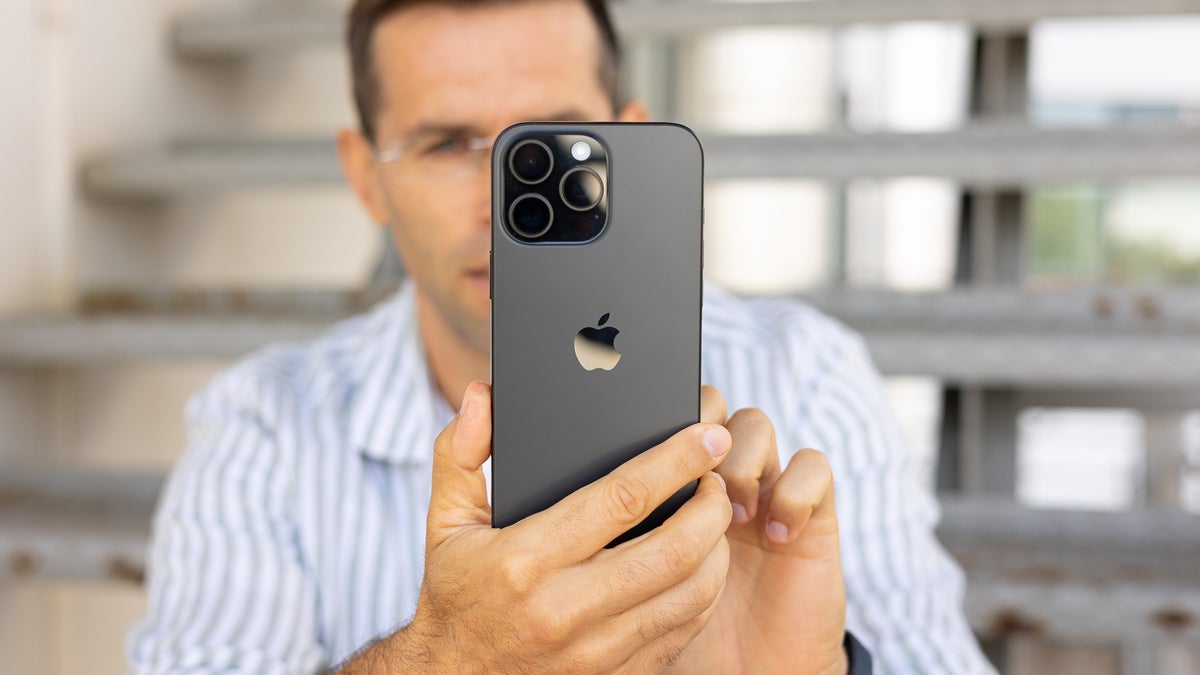
Apple Inc. has significantly raised its investment offer to Indonesia in a renewed effort to reverse the sales ban on its iPhone 16 model. According to sources familiar with the negotiations, Apple now proposes an investment of nearly $100 million (around Rs. 844 crore) over two years, a dramatic increase from its initial offer of approximately $10 million (Rs. 84 lakh). This move is seen as Apple’s attempt to demonstrate its commitment to the Indonesian market and to convince the government to lift the restrictions on the iPhone 16’s sale.

The initial investment plan, which focused on setting up a factory in Bandung, Indonesia, to produce accessories and components, was not enough to meet the government’s requirements. Now, with the revised offer, Apple hopes to meet the Indonesian government’s demand for greater economic engagement. The company’s expanded investment could help create more local jobs and contribute to the country’s manufacturing and technological development. Apple’s strategy involves showing that it can be a more significant player in Indonesia’s tech ecosystem, especially in areas like local production and job creation.

In response to Apple’s new proposal, Indonesia’s Ministry of Industry has indicated that it will require the company to adjust its investment focus. Specifically, the ministry is pushing for a stronger emphasis on research and development (R&D) for smartphones within the country. This change in direction is aimed at ensuring that Apple’s presence in Indonesia goes beyond manufacturing to include more value-added activities such as innovation and technology advancement.

Despite the offer, the Ministry of Industry has not yet made a final decision on whether to approve Apple’s revised investment plans. The outcome of these negotiations could have significant implications for Apple’s operations in Southeast Asia, as the company seeks to navigate local regulations and continue expanding its market presence in the region.

DOJ Reportedly Urges Google to Divest Chrome to End Search Market Dominance

Top officials from the U.S. Department of Justice (DOJ) are reportedly preparing to ask a federal judge to mandate the sale of Google’s Chrome browser as part of a broader effort to address the company’s alleged monopoly in the search market. This move would mark a significant escalation in the ongoing antitrust case against Alphabet Inc., the parent company of Google. The DOJ has been investigating Google’s dominance in the digital advertising and search sectors for years, and this latest action is seen as a pivotal step in efforts to rein in its power.

In addition to the potential forced sale of Chrome, the DOJ is expected to request further measures aimed at curbing Google’s reach in areas such as Artificial Intelligence (AI) and its Android smartphone operating system. According to sources familiar with the matter, the department believes that these actions are necessary to restore competition and address Google’s unfair practices that harm both consumers and competitors.

Federal antitrust officials, along with several states that have joined the case, are also advocating for the imposition of strict data licensing requirements. These measures, expected to be recommended to Judge Amit Mehta, would force Google to allow its competitors greater access to the data it has long monopolized, potentially leveling the playing field for rival search engines and other tech companies in the digital space.

This unprecedented move against one of the world’s most powerful tech companies signals the DOJ’s commitment to tackling anticompetitive practices in the tech industry. If the judge agrees to these recommendations, it could set a major precedent for future antitrust actions in the rapidly evolving technology landscape.