

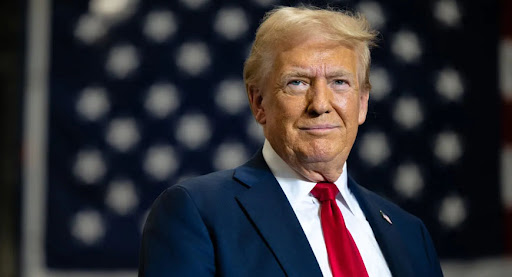
Apple’s production strategy in India has gained significant momentum in recent years, largely due to the company’s efforts to diversify its manufacturing base beyond China. While China remains a critical hub for Apple’s production and sales, geopolitical factors, particularly the US-China trade tensions, have pushed the company to expand its operations in India. A new report suggests that Apple could substantially ramp up its iPhone production in India, potentially doubling its output, if the US decides to implement heavy tariffs on Chinese imports. This move could lead Apple to increase its annual iPhone production in India to over $30 billion.
According to the Economic Times, industry experts and officials have indicated that Apple’s iPhone production in India could grow significantly over the next two years if the US under President Donald Trump imposes tariffs of up to 100 percent on goods imported from China. Currently, Apple manufactures iPhones worth about $15-16 billion annually in India. However, with the potential of escalating tariffs, Apple could shift more of its production to India to avoid the impact of the higher tariffs on Chinese-made devices.
Trump, during his election campaign, had threatened to impose tariffs ranging from 60 to 100 percent on Chinese imports. This rhetoric has created uncertainty in global trade relations, and if implemented, such tariffs could prompt Apple to further shift its production strategy toward India. During his first term, Trump imposed tariffs on Chinese imports, and analysts predict that his second term could continue to strain US-China relations, which might push companies like Apple to explore alternative manufacturing locations, such as India.
While some sectors in India may face challenges from potential tariff hikes, experts believe that the electronics industry, particularly iPhone production, stands to benefit the most. With a favorable manufacturing ecosystem and supportive government policies, India could become a crucial player in Apple’s global supply chain, making the country an even more important hub for smartphone production in the years to come. This shift could have far-reaching economic implications, benefiting India’s manufacturing sector while simultaneously helping Apple diversify its production away from China.
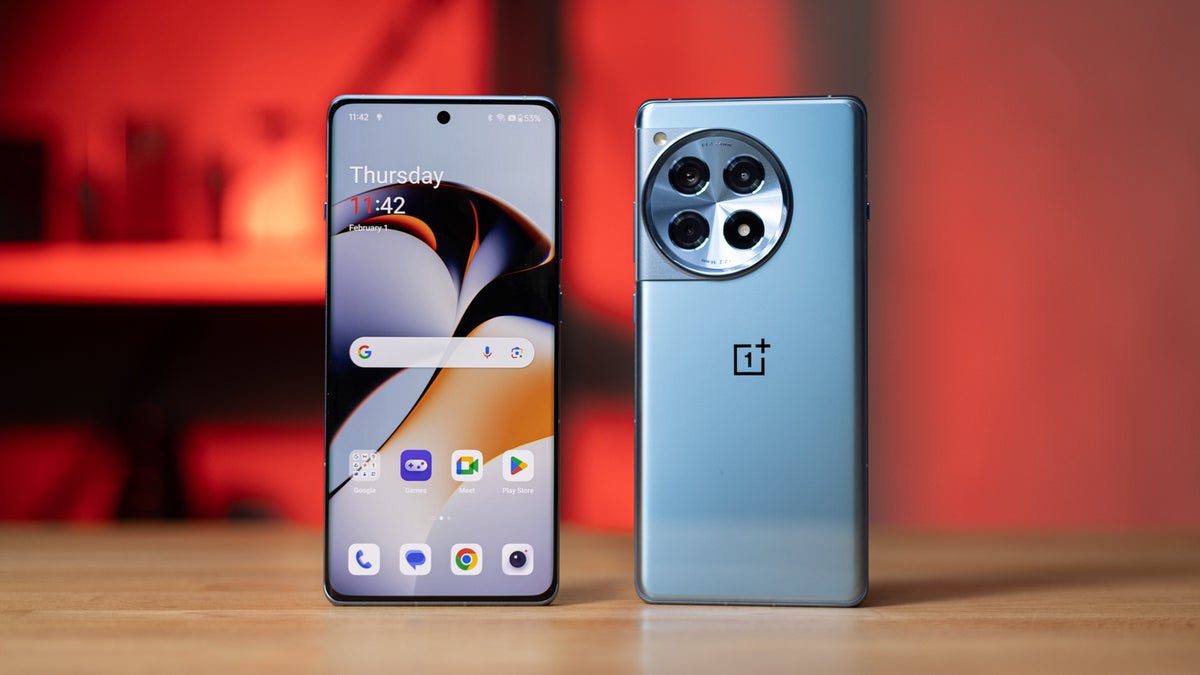
The OnePlus 12R, launched in January of this year, was equipped with the powerful Snapdragon 8 Gen 2 chipset and up to 16GB of LPDDR5x RAM. Initially running on Android 14-based OxygenOS 14, the smartphone now sees the rollout of the stable Android 15-based OxygenOS 15 update. This update, which brings several new features and performance improvements, follows the recent release of the same update for the OnePlus 12. Notably, the OnePlus 12R was unveiled alongside its flagship sibling, the OnePlus 12, both of which are receiving the latest software enhancements.
According to a community post from OnePlus, the stable OxygenOS 15 update, based on Android 15, is now being distributed to OnePlus 12R users in regions including India, the European Union, North America, and other global markets. The over-the-air (OTA) update is a hefty 3.54GB in size, with Indian users receiving version CPH2585_15.0.0.200(EX01). OnePlus has stated that the update is being rolled out in stages, so it might take some time before it reaches every device, but users can expect to see it soon if they haven’t received it already.
One of the standout features of the OxygenOS 15 update for the OnePlus 12R is enhanced performance in terms of smoother animations. OnePlus has incorporated a new graphics engine that utilizes parallel processing to improve rendering and animation performance. This upgrade ensures a lag-free experience, especially during multitasking and when running resource-heavy applications. The use of parallel processing also extends to the visual smoothness of widgets, components, and folder transitions, which should feel more fluid and responsive across the system.
In addition to these visual improvements, the update brings enhanced swipe consistency, even with third-party apps and WebView interfaces. This ensures that users experience a seamless and responsive interaction with apps and web elements, making the overall user experience more polished. These changes reflect OnePlus’s commitment to refining the performance and usability of their devices, providing OnePlus 12R users with a more fluid and efficient interface after the update.