X Reportedly Testing Free Grok AI Version With Updated Logo

X (formerly known as Twitter) is reportedly experimenting with a free version of its artificial intelligence chatbot, Grok. Over the weekend, several users claimed to have gained access to Grok without subscribing to the platform’s paid X Premium tier. However, as per user feedback, the free version has certain limitations, and its availability appears to be restricted to specific regions. This trial comes shortly after xAI, the Elon Musk-led AI initiative, launched the Grok API and announced incentives for developers to integrate it.

Reports suggest that this move marks an effort to expand Grok’s reach and potentially attract a wider audience. Initially launched in November 2023, Grok was previously available only to paid subscribers. According to posts by app researchers and tech enthusiasts on X, the free tier could allow a broader range of users to experience the chatbot’s capabilities, albeit with reduced functionality compared to the premium version.

A report by TechCrunch indicated that the free Grok trial is currently being tested in New Zealand, with the possibility of extending to other regions. However, availability remains uneven; for instance, users in India and other countries have noted the absence of the feature. At this stage, the specifics of what the free version offers, and how it differs from the premium experience, remain unclear. Additionally, Gadgets 360 could not independently confirm the free version’s rollout.

In addition to testing a free tier, X is also updating Grok’s branding. The chatbot’s original wordmark logo is reportedly being replaced with a socket-like emblem, signaling a fresh visual identity for the AI tool. Whether these changes are part of a larger strategy to boost Grok’s adoption or improve its appeal to developers and end users remains to be seen.
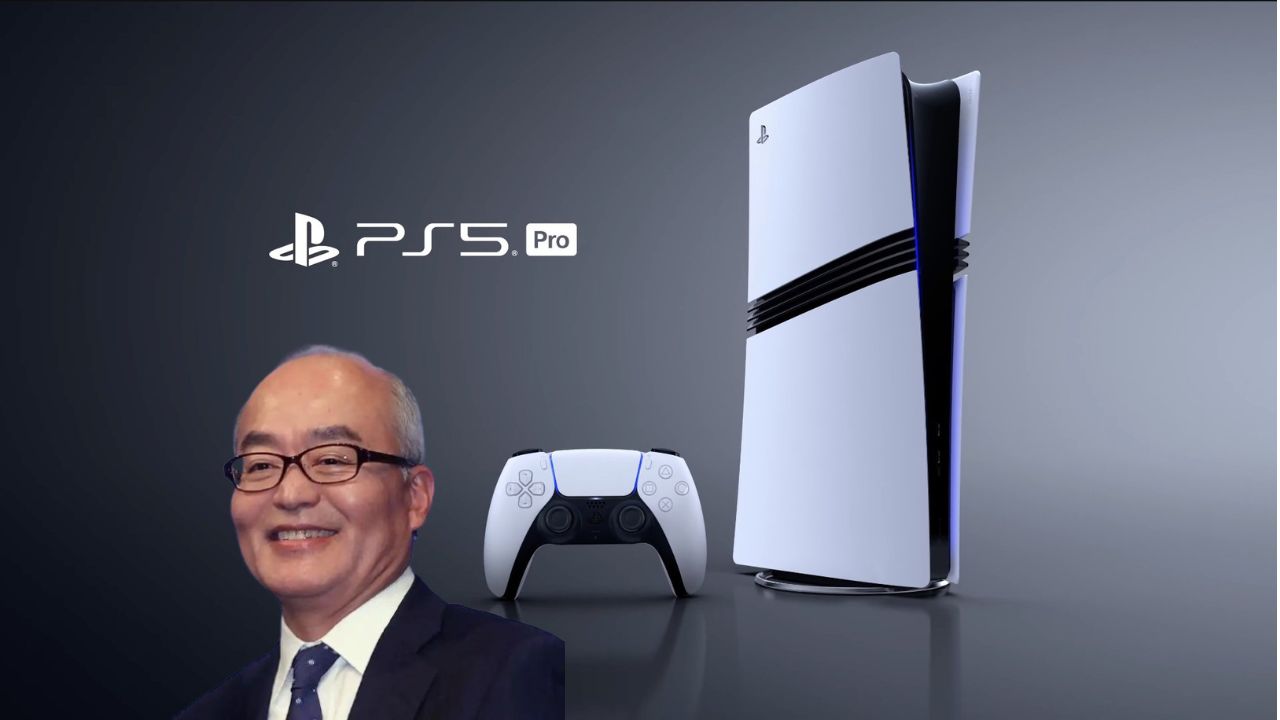
PS5 Pro Targeted at ‘Hardcore’ Gamers, Sony President Claims Pricing Has Not Affected Sales

Sony has addressed concerns regarding the pricing of the newly launched PlayStation 5 Pro, stating that it has not had a negative impact on console sales. While the company has not disclosed specific sales figures for the PS5 Pro, Sony remains confident that the high-end console, priced at $699.99 and launched on November 7, will not significantly affect the overall sales numbers for the PS5. The company views the PS5 Pro as a niche product aimed primarily at “hardcore” gamers, rather than the broader market of general console users.

During the second-quarter FY 2024 earnings call, Sony president Hiroki Totoki explained that the PS5 Pro’s sales were factored into the company’s overall projections for PlayStation 5 sales for the current fiscal year. Sony expects to sell 18 million units of the PS5 across various models in FY 2024. Totoki noted that while the PS5 Pro may not contribute heavily to the overall sales figures, it remains an important offering in Sony’s portfolio for dedicated, high-end users who are looking for the best possible gaming experience.

Totoki further emphasized that the PS5 Pro is positioned as a premium device, targeting users who demand more power and performance from their gaming consoles. “Hardcore users are the target for this hardware,” he explained, indicating that the PS5 Pro is not meant to appeal to the broader, more price-sensitive gaming audience. Instead, it aims to attract those looking for an advanced console experience, with enhanced graphical performance and faster processing speeds, appealing to enthusiasts who prioritize top-tier specs.

Despite its higher price point, Sony’s decision to target this segment of gamers rather than the mass market appears to be a strategic move. Totoki reassured investors that the PS5 Pro’s introduction wouldn’t cannibalize the sales of the standard PS5. In fact, he suggested that compared to the regular PS5, the PS5 Pro might even appeal more to certain gamers, further cementing the idea that the two models serve different purposes within the PlayStation ecosystem.

Android 15 Introduces True Adaptive Refresh Rate Support for Smartphones and More Devices

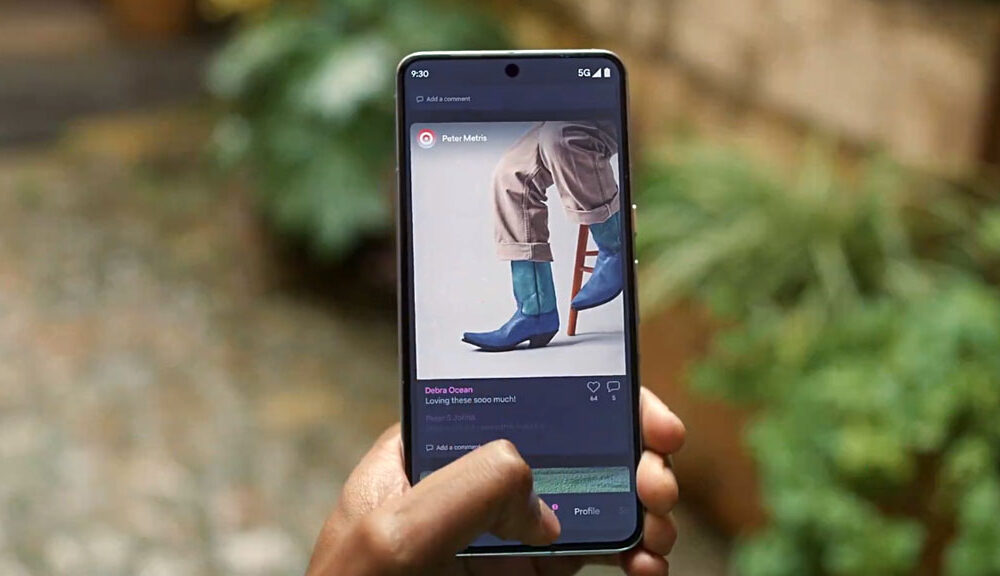
Android 15, which was globally released in August, has brought several notable improvements to the Android ecosystem. Since its launch, smartphone manufacturers such as OnePlus, Oppo, and Realme have begun rolling out their own custom versions of the update for their devices. One of the standout features in Android 15 is the introduction of true adaptive refresh rate (ARR) support. This new functionality allows devices to adjust the refresh rate of their displays based on the content being shown, offering a smoother and more efficient user experience.

While support for adaptive refresh rates has been available since Android 11, Android 15 takes the concept a step further with a more refined method. Previously, adaptive refresh rate (ARR) was implemented through refresh rate switching, where the device would switch between predefined display modes—such as 60Hz, 90Hz, 120Hz, or 144Hz—depending on the content being displayed. However, Android 15 introduces true ARR, which enables the system to adjust the refresh rate within a single mode, making the experience far more fluid and seamless.

This update allows displays with ARR support to decouple the VSync (vertical synchronization) rate from the refresh rate, meaning the system can sync the frame rate with the content’s cadence more precisely. By dynamically adjusting the refresh rate based on the specific content being viewed, the device can offer smoother visuals without sacrificing performance or battery life. This is a significant leap forward compared to older methods of refresh rate switching that often involved larger jumps between fixed modes.

The introduction of true ARR in Android 15 offers two key benefits for users: improved battery efficiency and reduced stuttering, or “jank,” during transitions. With ARR, the device can lower its refresh rate during less demanding tasks, like reading static text or browsing, thereby conserving power. Simultaneously, when viewing fast-moving content, such as videos or games, the refresh rate can ramp up for a smoother experience. This results in a more responsive and energy-efficient display that adapts intelligently to the user’s activity.