
Honor 300 Pro to Feature Snapdragon 8 Gen 3 SoC and 50-Megapixel Periscope Telephoto Camera, Leak Suggests

The upcoming Honor 300 Pro is expected to launch alongside the standard Honor 300 model, with both devices set to bring significant upgrades over their predecessors, the Honor 200 and Honor 200 Pro. Although the Chinese smartphone maker has yet to officially announce the release date, several leaks have surfaced online, revealing key details about the new series. The Honor 300 Pro is expected to feature cutting-edge specifications, including Qualcomm’s Snapdragon 8 Gen 3 chipset, along with improvements in display and charging technology.

The Honor 300 series is likely to come equipped with a 1.5K OLED display, a notable step up from the Full HD+ screens found in the previous generation. This change should deliver enhanced display quality, offering sharper images and improved color accuracy. Both the Honor 300 and Honor 300 Pro are expected to feature the powerful Snapdragon 8 Gen 3 chipset, though it remains unclear which specific model will carry this top-tier processor. The Honor 200 series, for comparison, used the Snapdragon 7 Gen 3 in the standard model, while the Pro variant featured the Snapdragon 8s Gen 3 chipset.

Fast charging remains a key feature in the Honor 300 lineup, with the series likely to support 100W wired charging, which will allow users to quickly power up their devices. Additionally, the devices are expected to include wireless charging support, offering more flexibility for users. Another standout feature of the Honor 300 Pro is its camera setup, which is rumored to include a 50-megapixel periscope telephoto lens. This would be a major upgrade, providing users with enhanced zoom capabilities and overall camera performance, making the Pro model a strong contender in the high-end smartphone market.

One of the other rumored features is the inclusion of an ultrasonic fingerprint scanner, although this has not yet been confirmed. The Honor 300 Pro appears poised to take the next step in smartphone technology with these promising upgrades, particularly in terms of display, performance, and camera functionality. As we approach the launch, more details are expected to surface, giving users a clearer picture of what to expect from the Honor 300 series.

Oppo Find N5 Release Date Leaked Again; Key Features Revealed Online

The Oppo Find N5 is poised to be the next big release from Oppo, following the Oppo Find N3, which was unveiled in October 2023. As a successor, the Find N5 is generating considerable interest as it enters the rumor cycle. According to tipsters, the foldable smartphone is expected to launch soon, with insights into its potential release timeline and key features beginning to surface online. It’s also speculated that the Oppo Find N5 might make its debut in select global markets under the OnePlus branding, possibly as the OnePlus Open 2, following the strategy of the OnePlus Open, which was essentially a rebranded version of the Find N3.

The Oppo Find N5 is expected to be officially launched in the first half of 2025, with a possible release window between January and June, as per a recent tip from the Weibo account of leaker Smart Pikachu. An earlier report had suggested that the device could arrive by the first quarter of 2025. This places the Find N5’s release a little over a year after its predecessor, the Find N3, which debuted in late 2023. The timing aligns with Oppo’s typical launch cycles and could indicate a more refined iteration of its foldable technology.

In terms of specifications, the Oppo Find N5 is expected to feature Qualcomm’s latest Snapdragon 8 Elite chipset, offering enhanced performance and efficiency. The phone is likely to include a 50-megapixel triple rear camera setup housed within a circular module, which suggests that Oppo is continuing its trend of prioritizing strong photography capabilities for its foldable devices. Additionally, the device is expected to support wireless magnetic charging, which could bring convenience and faster charging speeds to the table. Furthermore, rumors suggest that the Oppo Find N5 might be “compatible with Apple ecology,” which hints at the possibility of a MagSafe-like wireless charging solution, enabling greater cross-compatibility with Apple’s ecosystem.

With these features in mind, the Oppo Find N5 is shaping up to be a powerful and feature-rich foldable smartphone. If these leaks prove accurate, Oppo seems set to continue pushing the boundaries of foldable technology, offering cutting-edge performance alongside innovative charging and camera features. The addition of potential cross-compatibility with Apple’s ecosystem could also broaden its appeal to users who are already invested in Apple’s products, creating a more seamless experience for those switching between devices

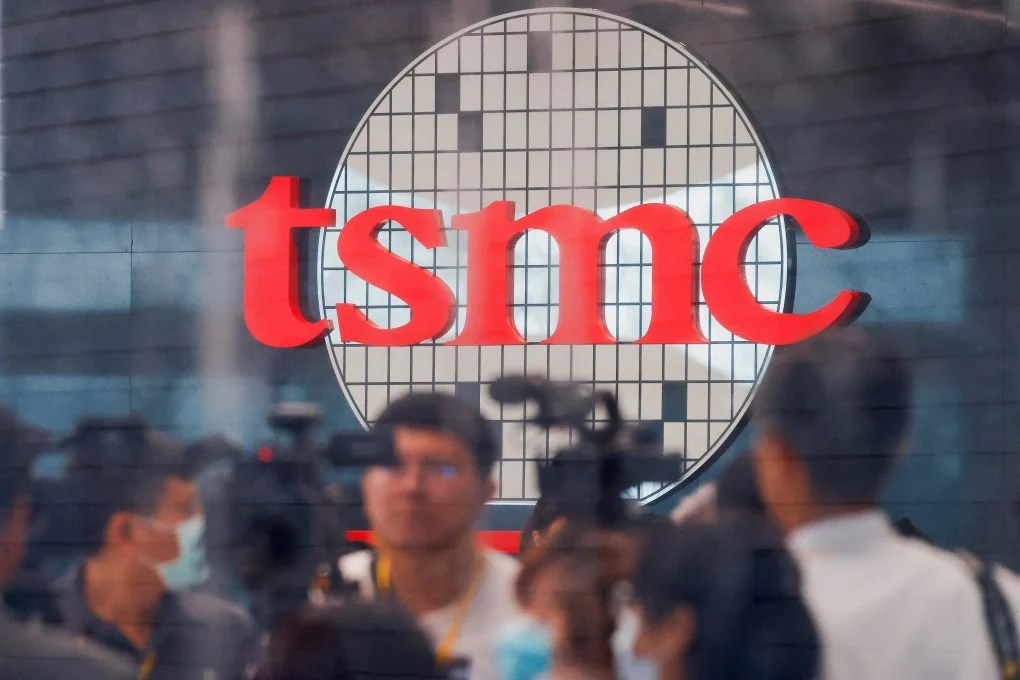
TSMC to Halt Advanced AI Chip Production for China

Taiwan Semiconductor Manufacturing Co. (TSMC), the world’s largest contract chipmaker, has reportedly informed Chinese chip design companies that it will suspend the production of their most advanced artificial intelligence (AI) chips starting Monday, November 11. According to a report by the Financial Times, TSMC has made this decision in response to increased regulatory pressure from the U.S. The move is said to affect the manufacturing of AI chips based on process nodes of 7 nanometers or smaller, which are critical for cutting-edge AI applications.

The suspension of these high-performance chips, which are used for AI training and other sophisticated tasks, comes amid escalating tensions between the U.S. and China over technology and security concerns. TSMC’s decision will impact Chinese companies that rely on the company’s advanced manufacturing capabilities to produce some of the world’s most powerful AI processors. These chips are central to the development of AI models that can power everything from autonomous vehicles to high-performance computing tasks.

The U.S. government has long expressed concerns over China’s growing capabilities in artificial intelligence, particularly its potential use in military applications or to advance bioweapon research and cyber warfare. In light of these concerns, Washington has imposed a series of measures aimed at restricting the flow of advanced semiconductor technologies to China. This includes regulations designed to limit the shipment of advanced graphics processing units (GPUs) and other AI chips that are crucial for training large-scale AI systems. The measures are seen as part of a broader strategy to curb China’s technological rise and maintain U.S. dominance in key fields.

TSMC’s suspension of advanced AI chip production for Chinese clients marks a significant development in the ongoing global tech rivalry. It underscores the growing influence of U.S. policies on global semiconductor supply chains, particularly as companies like TSMC, which is headquartered in Taiwan, find themselves navigating complex geopolitical pressures. The decision also raises questions about the future of China’s AI ambitions, as it now faces increased difficulty in securing the critical hardware needed to advance its AI capabilities.