
Google Pixel 11 to Feature Tensor G6 Chip for Better Thermal Efficiency, Aiming to Reduce Returns

The upcoming Google Pixel 11 is set to feature the latest iteration of the company’s proprietary Tensor chip, the G6, which will focus on addressing some of the key performance challenges faced by previous Pixel models. While Tensor chips have been praised for their AI capabilities and integration with Google’s software, they have also been criticized for thermal and efficiency issues that often result in overheating. According to a recent report, the company is aware of these concerns and plans to make significant improvements to enhance the user experience and reduce product returns.

Addressing Thermal Challenges in the Pixel 11 Series
One of the main issues with previous Pixel phones, as outlined in a report by Android Authority, has been the thermal performance. Overheating has consistently been cited as the top reason for Pixel device returns. Google’s GChips division is reportedly taking this feedback seriously and is working to refine the Tensor G6 chip to solve these problems. The new chip is expected to be designed with improved heat dissipation and greater thermal efficiency, which should help keep the device cooler even during heavy usage. This could lead to better overall performance and an enhanced user experience, especially during prolonged gaming sessions or intensive tasks.

Improved Efficiency to Combat Battery Life Concerns
In addition to improving thermal performance, the Tensor G6 chip is also being optimized to enhance power efficiency. Battery life has been another common complaint among Pixel 6 and Pixel 7 users, with many reporting that their devices struggle to last throughout the day. Google is reportedly aiming to meet the growing consumer expectation of 36 hours of battery life with the Pixel 11 series. By improving the efficiency of the Tensor G6 chip, the company hopes to deliver better power management, allowing users to enjoy longer battery life without sacrificing performance.

Focus on Customer Satisfaction and Reduced Returns
Google’s efforts with the Pixel 11 seem to be rooted in addressing the issues that have caused dissatisfaction among its customers. The company has acknowledged that thermal discomfort and battery life are major pain points, and improving these areas is expected to have a direct impact on customer satisfaction. By reducing overheating issues and enhancing battery longevity, Google hopes to minimize returns and build a stronger relationship with its user base.

Looking Ahead to the Pixel 11’s Arrival
As the Pixel 11 series approaches its release, the focus on solving these common complaints signals Google’s commitment to refining its flagship devices. The Tensor G6 chip represents a significant step forward in the evolution of Google’s hardware, aiming to deliver a smoother, more reliable experience for users. With improvements to both thermal performance and efficiency, the Pixel 11 may just be the device that addresses the shortcomings of its predecessors and sets a new standard for the company’s smartphones
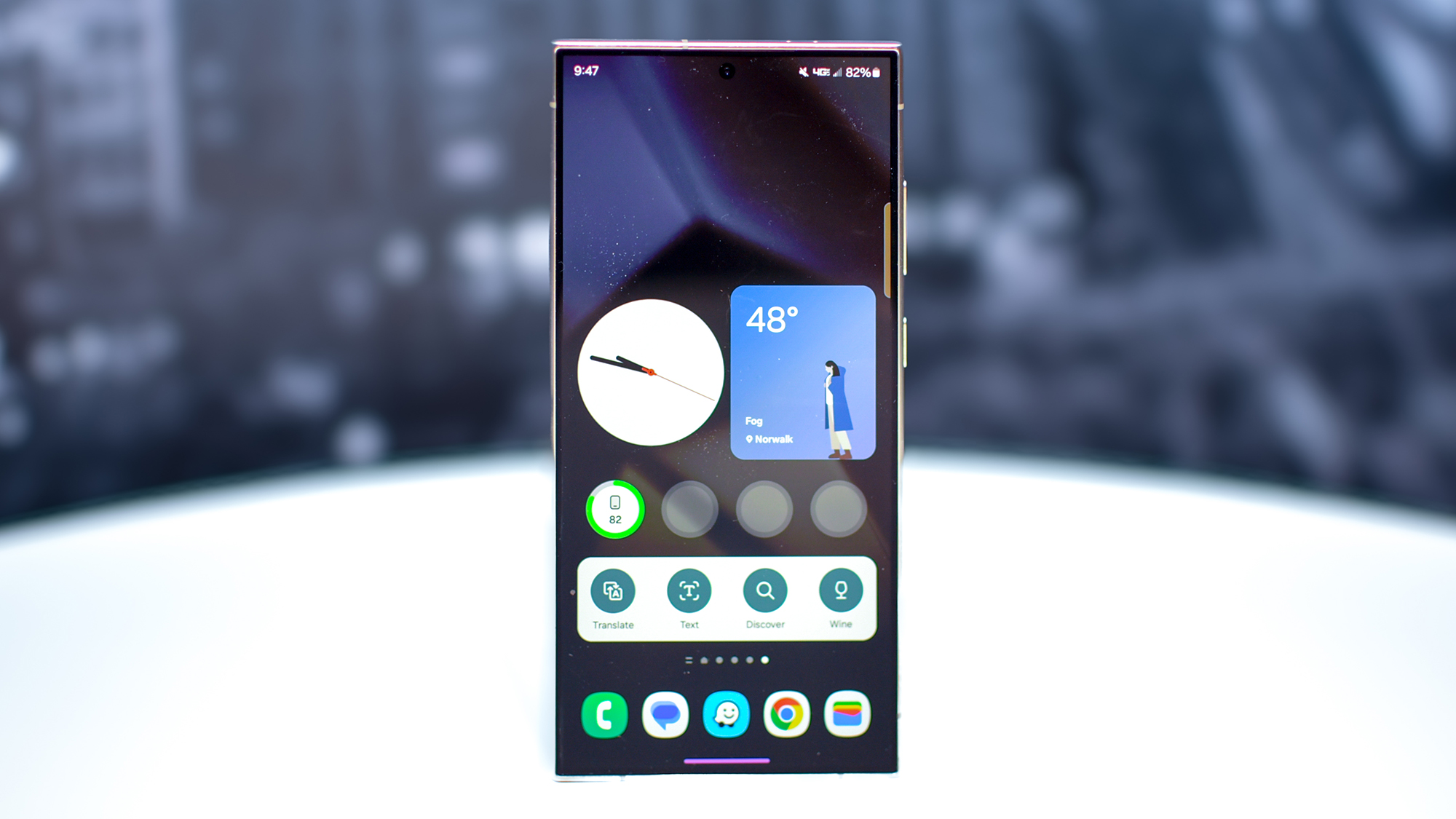

Samsung Galaxy S25 Ultra Leaked Renders Reveal New Design Tweaks and Four Colour Variants

The Samsung Galaxy S25 Ultra, slated for release in early 2025, will succeed the Galaxy S24 Ultra, which launched earlier this year. As Samsung prepares to unveil its next flagship, early leaks and renders of the Galaxy S25 Ultra have emerged, revealing a few key design changes and new colour options for the device. These subtle adjustments signal a shift in the company’s approach to its high-end smartphones, offering a glimpse of what consumers can expect when the device hits the market.

Refined Design with Rounded Corners
According to leaked design renders from Technizo Concept shared on X (formerly Twitter), the Galaxy S25 Ultra is expected to feature a slightly altered design compared to its predecessor. While the flat edges from the Galaxy S24 Ultra will remain, the most noticeable change is the shift to slightly rounded corners. This design tweak aims to enhance the phone’s ergonomics, making it more comfortable to hold. The rounded edges are expected to give the device a softer, more refined feel, without straying too far from the current design language.

New Colour Variants for the Galaxy S25 Ultra
In addition to the design changes, the Samsung Galaxy S25 Ultra is expected to be available in four distinct colour options. While the specific colours have not been confirmed, leaks suggest that Samsung will offer a broader range of hues for users to choose from, catering to diverse tastes. These new colour options are anticipated to further personalize the device, allowing consumers to pick a style that suits their preference.

Improvements on the Horizon
The Galaxy S25 Ultra is expected to build on the success of its predecessor with improved internals, likely including enhanced performance, a better camera system, and more efficient battery life. While design changes remain a key focus, Samsung is expected to continue refining the phone’s hardware and software to meet the demands of the modern smartphone user. With these tweaks, the S25 Ultra is poised to compete against other flagship models, making it one of the most anticipated devices of 2025.

Looking Ahead to the Launch
As Samsung works towards the official release, more details are likely to surface in the coming months. For now, the leaked renders give us an early look at the upcoming Galaxy S25 Ultra, hinting at a blend of fresh design elements and familiar features. The expected arrival of the device in early 2025 marks another milestone in Samsung’s ongoing push to lead the premium smartphone market

Ola Electric Reduces Q2 Loss, Calls Most Service Issues ‘Minor’

Ola Electric, India’s leading e-scooter manufacturer by market share, reported a reduced loss for the second quarter, boosted by a significant rise in sales. In its earnings report for the July-September quarter, the Bengaluru-based company revealed that its consolidated loss shrank to 4.95 billion rupees ($58.7 million), compared to 5.24 billion rupees in the same period last year. This improvement reflects the company’s growing presence in the electric scooter market.

Increase in Revenue Driven by Mass Market Models
Ola Electric’s quarterly revenue saw a notable jump of 39.1%, reaching 12.14 billion rupees. This growth was largely driven by the introduction of more affordable models priced below 100,000 rupees ($1,186). The company had not yet begun deliveries of these mass-market models in the previous year, which contributed to the significant increase in revenue. With these more budget-friendly scooters now available, Ola has expanded its customer base, making electric scooters accessible to a broader audience.

Service Surge and Company Response
Despite the positive financial performance, Ola Electric acknowledged a recent surge in service requests. However, the company emphasized that most of these requests were for “minor issues,” which it believes do not point to any systemic problems with its products. Ola’s management expressed confidence in its ability to handle these service demands, suggesting that the increase in requests was typical for a company scaling up its production and delivery capabilities.

Outlook for Future Growth
Ola Electric remains optimistic about its future, with plans to continue expanding its product offerings and market reach. The company is focused on solidifying its position in the electric vehicle market, particularly in India, where demand for sustainable transportation options is on the rise. As the company scales its operations and refines its products, Ola is well-positioned to lead the electric scooter market in the region, continuing its trajectory toward profitability.