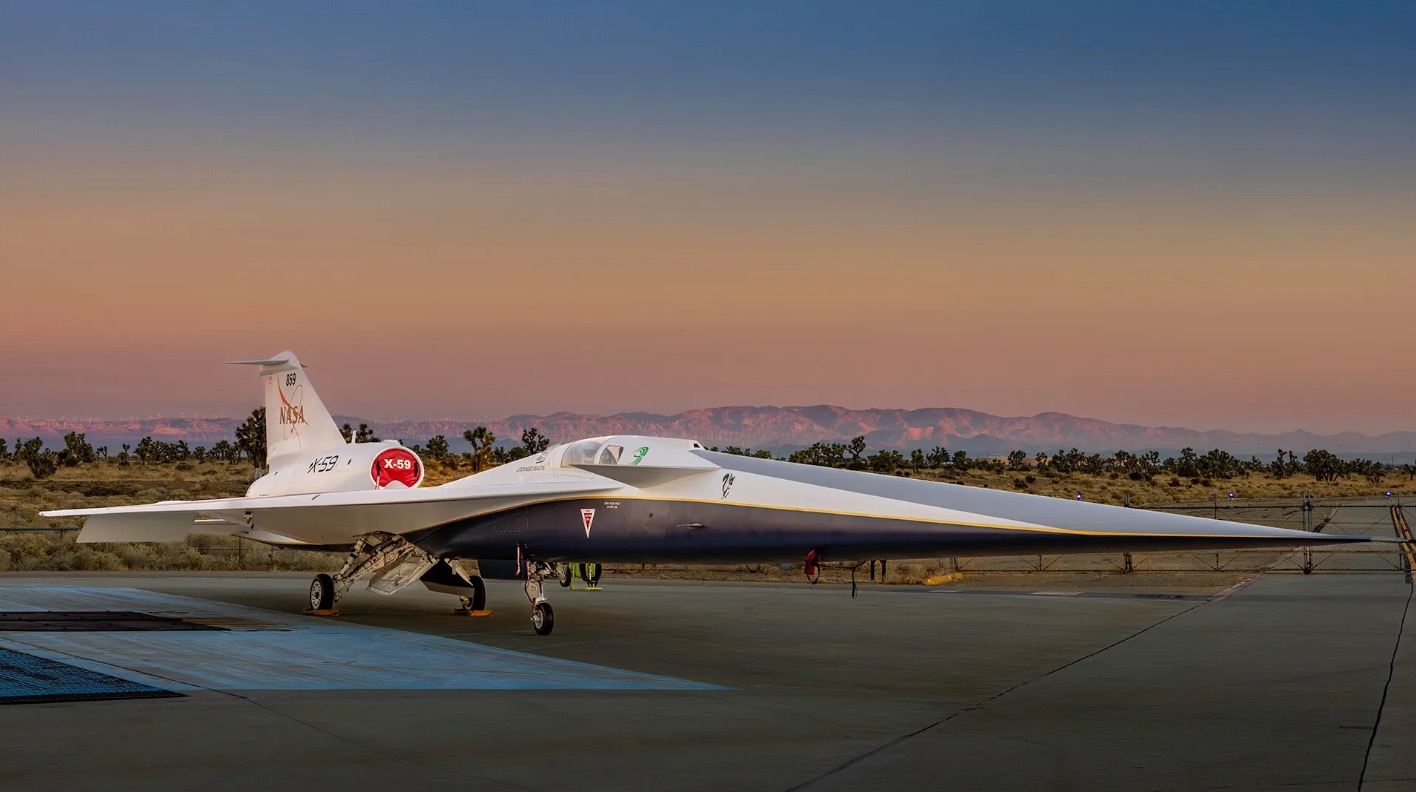
NASA’s X-59 Supersonic Jet Successfully Completes Initial Engine Tests, First Flight Nears

NASA’s experimental X-59 Quiet SuperSonic Technology (QueSST) aircraft has achieved a major milestone with its engine successfully fired up for the first time. Engineers at Lockheed Martin’s Skunk Works facility in Palmdale, California, have been conducting a series of phased engine tests since late October to assess the jet’s engine performance and systems integration. This crucial testing phase brings the aircraft closer to its first flight, although an official date for this event has yet to be set.

Testing Progress and System Integration
The initial engine tests focused on low-speed operations, allowing engineers to thoroughly inspect the aircraft for potential leaks and verify that essential systems—such as hydraulics and electrical components—worked properly in conjunction with the engine. After the completion of these basic checks, the engine was powered up fully for the first time, marking a key milestone in the aircraft’s development. According to Jay Brandon, NASA’s chief engineer for the X-59, the tests acted as a “warmup” to ensure that the engine was performing as expected while supporting the aircraft’s critical systems.

Performance of the Modified F414-GE-100 Engine
The X-59 is powered by a modified F414-GE-100 engine, a version of the engine found in the U.S. Navy’s Boeing F/A-18 Super Hornet. This modification is designed to allow the X-59 to fly at supersonic speeds while significantly reducing the noise produced by the aircraft. Unlike typical supersonic jets that generate disruptive sonic booms, the X-59 is engineered to minimize noise and create a quieter “sonic thump,” which could pave the way for commercial supersonic travel without disturbing communities on the ground.

Looking Ahead: The Quiet Supersonic Future
These successful engine tests represent a crucial step toward achieving NASA’s goal of creating a supersonic jet that reduces the impact of noise on the environment. The X-59 is a key component of NASA’s broader efforts to develop quiet supersonic technologies that could revolutionize air travel. As engineers continue to refine the aircraft’s systems and performance, the first flight of the X-59 will bring NASA one step closer to proving the viability of supersonic flight with minimal noise—a breakthrough that could change the future of commercial aviation.
Fossils of Armored Dinosaur With Bony Spikes Discovered, Capable of Withstanding Car Crash Impacts

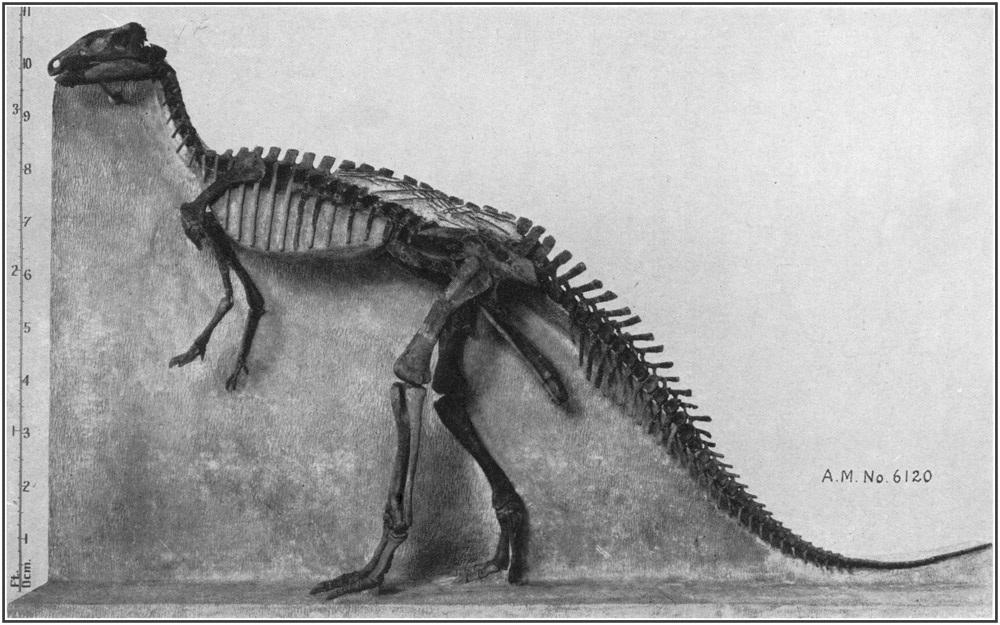
A remarkable fossil of a nodosaur, a plant-eating dinosaur, has been found to possess an armor so strong that it could endure the impact of a high-speed car crash. Discovered in Alberta, Canada, the fossil belongs to Borealopelta markmitchelli, a species that roamed the Earth approximately 110 million years ago during the Early Cretaceous period. This discovery is one of the best-preserved dinosaur fossils ever unearthed, offering scientists an unparalleled look at the defensive structures of this ancient creature.

New Insights into the Nodosaur’s Defense Mechanisms
Led by biomechanical paleontologist Dr. Michael Habib from UCLA, the research revealed fascinating details about the nodosaur’s protective features. The fossil’s bony armor was covered by a keratin sheath, which was found to be much thicker than previously assumed. In some areas, the keratin layer measured nearly 16 centimeters—significantly thicker than the keratin found on modern animals like cattle horns. This thick, robust coating, combined with the dinosaur’s bony spikes, provided a formidable defense against predators and likely helped it survive in a dangerous environment.

Unbelievable Strength of the Nodosaur’s Armor
According to the study, the nodosaur’s armor was capable of withstanding more than 125,000 joules of energy per square meter—an amount of force equivalent to that of a high-speed car collision. This discovery sheds light on the advanced defensive capabilities of the nodosaur, suggesting that its armor was not just for protection from predators but could also serve as a weapon or shield in combat between rival males of the same species. The armor’s ability to absorb such immense force highlights the evolutionary advantage that such a defense would have provided during its time.

Significance of the Discovery and Future Research
The fossil of Borealopelta markmitchelli offers rare insights into the complex evolutionary mechanisms that allowed dinosaurs to thrive in their environments. The study emphasizes the remarkable resilience and adaptability of these ancient creatures, which are only now being fully understood through modern scientific research. This discovery could have wider implications for paleontology, providing more information about how dinosaurs used their physical traits for survival and giving us a clearer understanding of life in the Cretaceous period. As new technologies and techniques emerge, more discoveries like this may continue to reshape our understanding of prehistoric life.

Samsung Develops AR Headset with Head-Mounted Display, Patent Reveals

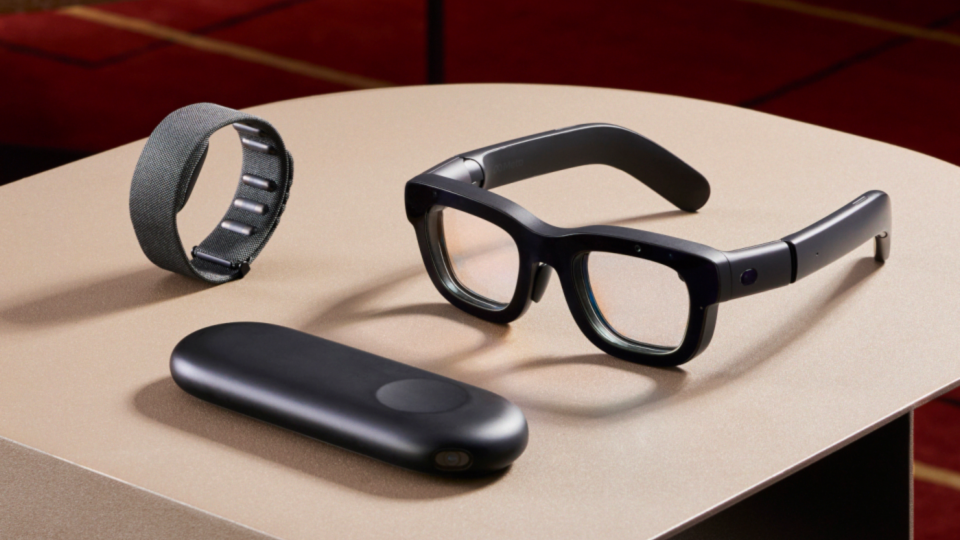
Samsung’s entry into the augmented reality (AR) space appears to be taking shape, as recent patent filings shed new light on the company’s plans for a head-mounted AR headset. The patent document, which surfaced through the World Intellectual Property Organization (WIPO) database, suggests that Samsung is developing a device that will run on its proprietary operating system. The AR headset is also expected to feature a Qualcomm chip, marking a significant collaboration between the two companies. This upcoming mixed reality headset will likely compete with established players in the AR space, such as Meta, HTC, and Magic Leap, bringing similar functionalities to the market.

Innovative Head-Mounted AR Device
The patent, titled “Wearable Device for Displaying Visual Object for Adjusting Visibility of Virtual Object,” details a head-mounted device (HMD) designed to provide immersive AR experiences. The device is expected to have a built-in display, enabling users to view both virtual and real-world objects simultaneously. Samsung’s focus on blending virtual elements with the real environment suggests that the device could offer a highly interactive experience, potentially transforming how users interact with digital content in their physical surroundings.

The Role of Qualcomm in the Project
Samsung’s collaboration with Qualcomm is a noteworthy aspect of the patent, as it points to the use of a Qualcomm chip in powering the headset’s operations. This partnership could lead to improved performance and efficiency, especially as Qualcomm’s chips are known for their strong capabilities in handling AR and mixed-reality applications. The use of a dedicated chip would help Samsung optimize the headset’s processing power, providing smoother experiences and supporting a wide range of augmented reality applications.

Samsung’s Move Into Mixed Reality
This patent filing signifies Samsung’s commitment to entering the competitive AR and mixed-reality market. As companies like Meta have already established their own AR ecosystems, Samsung’s headset could offer an exciting alternative, leveraging its expertise in display technology and mobile devices. While details are still scarce, the anticipated AR headset could be a game-changer for the industry, offering consumers a new way to engage with both virtual and real-world environments. As more information becomes available, it will be interesting to see how Samsung positions this device against its competitors and what unique features it will bring to the table.