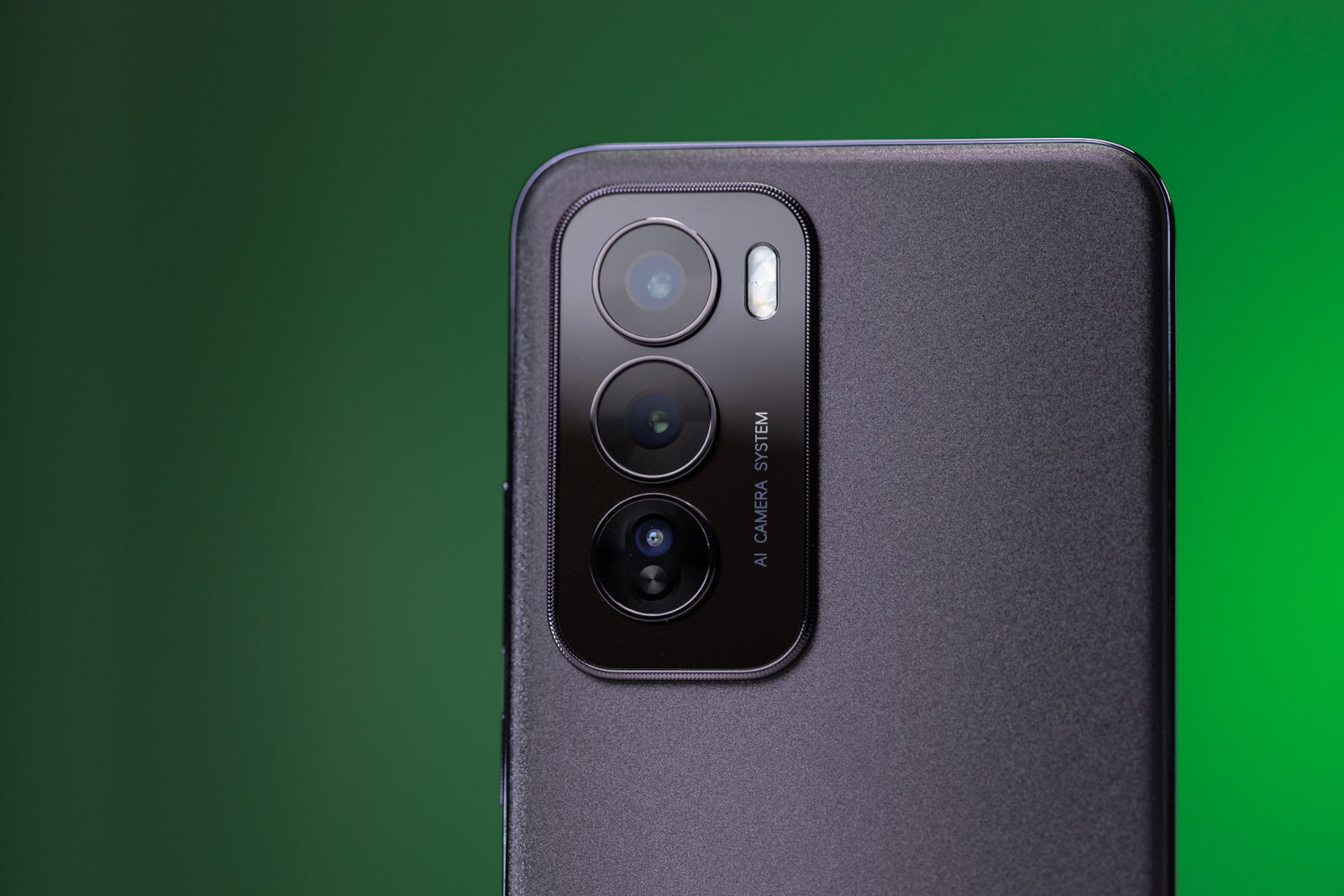
Oppo Reno 13 Pro Leak Reveals MediaTek Dimensity 8350 SoC and Key Features

Oppo Reno 13 Pro Leak Highlights Key Features and Design Upgrades
The Oppo Reno 13 series is generating buzz ahead of its anticipated launch, with fresh details surfacing about the premium Pro variant. Rumored to debut in China by late November, the series is expected to include the Oppo Reno 13 and Reno 13 Pro. While previous leaks provided a glimpse of the smartphones’ specifications, the latest revelations focus on the Reno 13 Pro’s chipset, display, camera, and build details, painting a clearer picture of Oppo’s next flagship offering.

MediaTek Dimensity 8350 to Power the Reno 13 Pro
According to a leak on Weibo by tipster Digital Chat Station, the Oppo Reno 13 Pro may feature MediaTek’s yet-to-be-announced Dimensity 8350 chipset. This processor would mark a step down from the Dimensity 9200+ SoC used in the Reno 12 Pro. Despite this, the downgrade in chipset performance may be the only compromise, as the Reno 13 Pro is expected to retain or improve on most other features of its predecessor.

Upgraded Display and Configurations
The Oppo Reno 13 Pro is rumored to boast a 6.83-inch quad-curved display with minimal bezels, an upgrade over the Reno 12 Pro’s 6.7-inch curved OLED screen. This larger display is expected to deliver an immersive viewing experience while maintaining Oppo’s design focus on elegance and ergonomics. Additionally, the Pro model could support up to 16GB of RAM and an impressive 1TB of internal storage, doubling the maximum capacity of the Reno 12 Pro’s top-tier 16GB + 512GB variant.

Anticipation Builds Ahead of November Launch
With its potential combination of a striking display, high storage capacity, and refined design, the Oppo Reno 13 Pro is shaping up to be a strong contender in the premium smartphone segment. While the chipset downgrade may raise questions among enthusiasts, Oppo’s reputation for balancing performance with design could make the device appealing to its target audience. As the launch date approaches, more details are likely to emerge, adding to the excitement surrounding the Reno 13 series.
Apple Reportedly Facing Fine Under EU’s Digital Markets Act

Apple Poised to Face First Fine Under EU Digital Markets Act
Apple is reportedly on track to become the first company fined under the European Union’s Digital Markets Act (DMA), according to sources with direct knowledge of the situation. The EU antitrust regulators are expected to impose the penalty within weeks, marking a significant milestone in the bloc’s efforts to curb the dominance of Big Tech. This enforcement highlights the EU’s commitment to ensuring fair competition and holding major tech firms accountable.

EU’s First Charge Under the Digital Markets Act
In June, EU regulators accused Apple of breaching the DMA, which aims to create a level playing field by targeting gatekeeper companies that exert significant control over digital markets. The charge represents the first case brought under this landmark legislation, underscoring its potential to reshape the regulatory landscape for tech giants operating in Europe.

Mounting Antitrust Challenges for Apple
If finalized, this fine will add to Apple’s growing list of antitrust issues in the EU. Earlier this year, in March, the European Commission fined Apple €1.84 billion ($2.01 billion) for allegedly stifling competition from music streaming services by imposing restrictive policies through its App Store. That penalty was a historic moment for Apple, marking its first major punishment under EU rules. The upcoming fine further intensifies the regulatory scrutiny surrounding the company.

Potential Financial and Strategic Impacts
Beyond the immediate financial penalty, the latest case against Apple could have broader implications for its business practices. Under the DMA, violations can lead to fines as high as 10% of a company’s global annual revenue. With Apple also under investigation for new fees targeting app developers, the enforcement of DMA rules signals the EU’s growing resolve to rein in practices it views as anti-competitive. For Apple, these regulatory challenges may necessitate significant adjustments to its operations in Europe and beyond

Nothing OS 3.0 Open Beta 1 for Phone 2 Brings Enhanced Customization and New Features

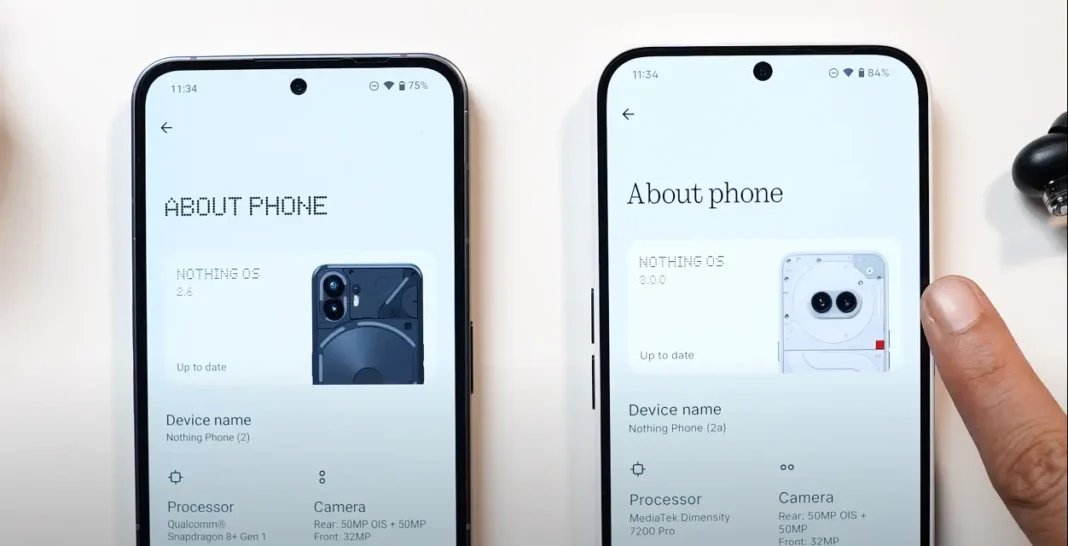
Nothing has officially rolled out the Open Beta 1 update for its Phone 2, giving users an early glimpse of the much-anticipated Nothing OS 3.0. Announced on Tuesday, the update brings new features and improvements, including updated widgets, enhanced customization options, and camera upgrades. This beta program is part of Nothing’s efforts to gather user feedback ahead of the public release slated for December. Initially launched for Phone 2a users in October, the beta program is expected to expand to other devices, such as the CMF Phone 1, later this year.

Exclusive Android 15-Based Features
Nothing OS 3.0 Open Beta 1 offers an Android 15-based experience, bringing cutting-edge features to the Nothing ecosystem. Many of these features were first previewed during the beta release for the Phone 2a, such as the innovative ability to display widgets tied to friends and family on the home screen. This allows users to link with others, share updates, and even interact through quick reactions, making the OS more dynamic and socially integrated.

Revamped Customization Tools
Customization is at the heart of the Nothing OS 3.0 update. The Open Beta 1 introduces expanded editing capabilities for the home and lock screens, enabling users to directly modify layouts with a long press. New options include additional clock faces, customizable typefaces, and fresh design layouts, offering users a deeper level of personalization. The widget space on the lock screen has also been expanded, allowing for a more streamlined organization of frequently used tools and apps.

Enhanced Quick Settings and Design Improvements
The Quick Settings menu has undergone significant changes in Nothing OS 3.0 Open Beta 1. Users will notice updated visuals and a smoother editing experience, along with an improved library design for widgets and settings toggles. These tweaks aim to make navigation more intuitive and visually appealing, further enhancing the user experience. As Nothing continues refining the OS based on beta user feedback, these changes set the stage for a polished and feature-rich public release in December.