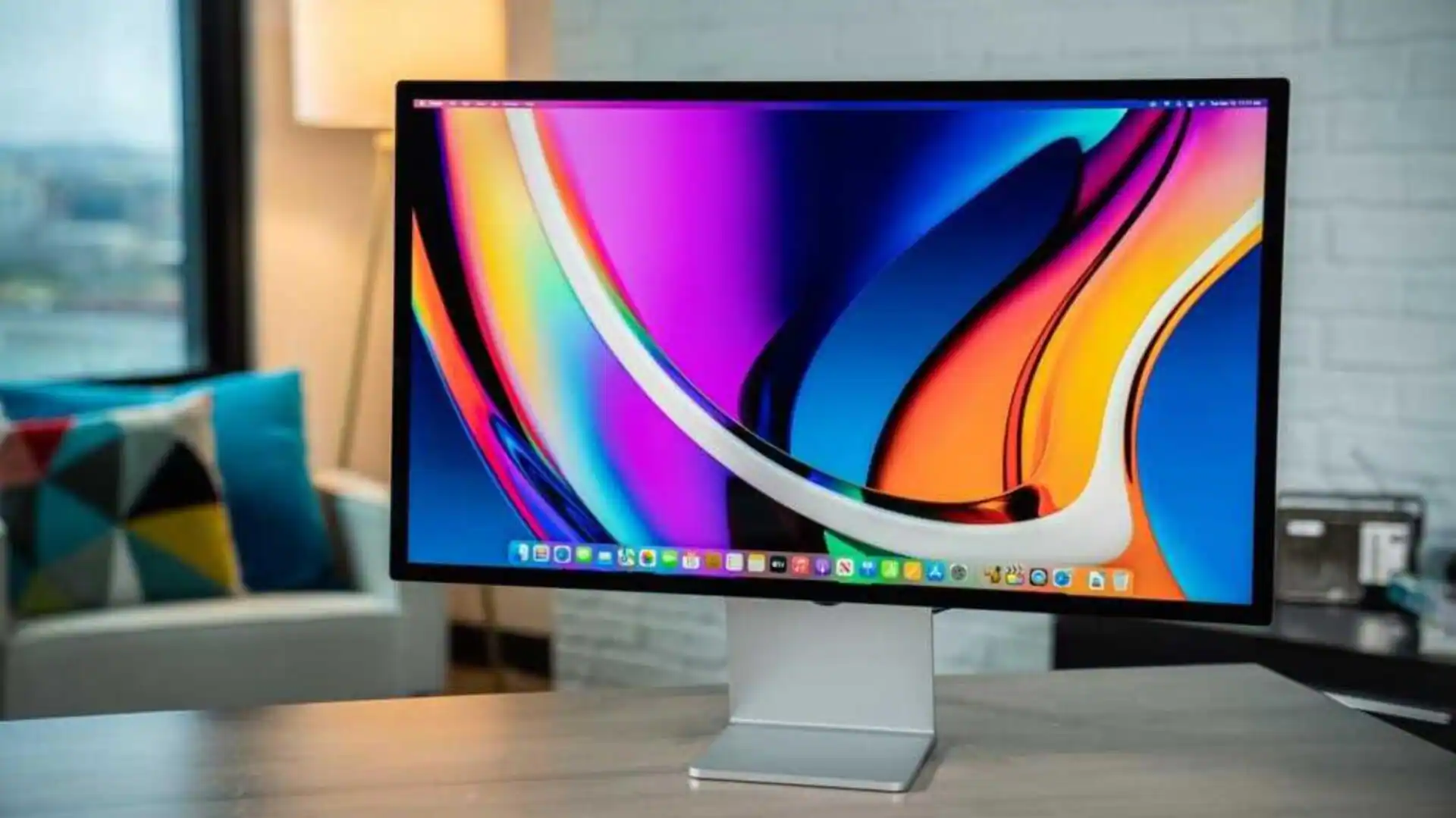
Apple Reportedly Developing 90Hz Display Technology for iPad Air, iMac, and Studio Display

Apple is reportedly developing new display technology that could bring a 90Hz refresh rate to its upcoming iPad Air models. Currently, Apple’s iPad, iPad Mini, and iPad Air are all equipped with 60Hz LCD screens, but it looks like the Air lineup could soon receive a significant upgrade with a smoother, faster display. The new 90Hz refresh rate technology is also rumored to extend beyond the iPad Air and make its way into other Apple devices, including the 24-inch iMac and the next-generation Studio Display.

According to sources cited by Mike Hurley and Jason Snell, hosts of the Upgrade podcast, Apple is working on this updated display technology for its next-generation iPad Air. While the current iPad Air features a 60Hz display paired with Apple’s M2 chip, the updated model may come with a more advanced M3 chip and the highly anticipated 90Hz display. This change would be a notable improvement, providing smoother visuals and enhanced responsiveness, especially for users engaged in activities like gaming, video editing, and drawing.

The anonymous source also indicated that the 90Hz display could be just the beginning. Apple reportedly has plans to expand this technology to other product lines, including the 24-inch iMac and a future version of the Studio Display. If these reports are accurate, it suggests that Apple is working to enhance its entire range of devices with better display technology, offering users a more consistent and higher-quality viewing experience across multiple platforms.

This shift toward higher refresh rate displays follows trends seen in other tech companies, many of which have already adopted 90Hz or 120Hz screens in their devices. Apple’s potential move to introduce this technology across multiple product lines would put it in line with these industry standards, offering users smoother performance and a better overall experience. With the iPhone 17 series also rumored to include 120Hz displays, it’s clear that Apple is focusing on improving visual performance across its product lineup.

2022 Tonga Eruption: How Public Observations and Scientific Data Reveal the Global Impact of Hunga Volcano

On January 15, 2022, the Hunga volcano near Tonga erupted in a dramatic and explosive event, sending shockwaves that rippled across the globe. The eruption coincided with Cyclone Cody, which compounded the chaotic environmental conditions in the region. This massive volcanic explosion produced a shockwave so powerful that it generated low-frequency booming sounds that could be heard as far away as New Zealand and Alaska. In addition, the eruption caused a significant tsunami, affecting coastlines thousands of miles from the epicenter, cementing it as one of the most impactful volcanic events in recent history.

In the aftermath of the eruption, GNS Science, New Zealand’s geological agency, sought to gather public observations to complement the data collected by scientific instruments. They encouraged residents to share their experiences, resulting in over 2,100 responses. The reports varied widely, with individuals describing rumbling sounds, sensations of pressure in their ears, windows shaking, and even unusual animal behavior. These accounts provided valuable context and perspective, filling in gaps where scientific instruments alone might have missed certain human experiences of the event.

The public’s input proved instrumental in helping scientists better understand how the eruption’s effects were felt across New Zealand. Dr. Emily Lane, a Senior Scientist at GNS, explained that by comparing the public’s reports with seismic and atmospheric data, researchers could identify patterns in how the eruption’s shockwave traveled across the country. Most of the loud “booms” were reported from the North Island, indicating that the pressure wave moved from north to south. This kind of pattern recognition, based on public input, offered insights into the eruption’s dynamics that were not immediately visible through standard measurements.

This collaborative effort between the scientific community and the public highlighted the importance of real-time observations in understanding the broader impact of natural disasters. The combination of advanced instruments and firsthand accounts allowed researchers to build a more comprehensive picture of the Tonga eruption’s global consequences. It also underscored the valuable role that local residents can play in disaster research, offering data that may not be captured through traditional scientific methods.

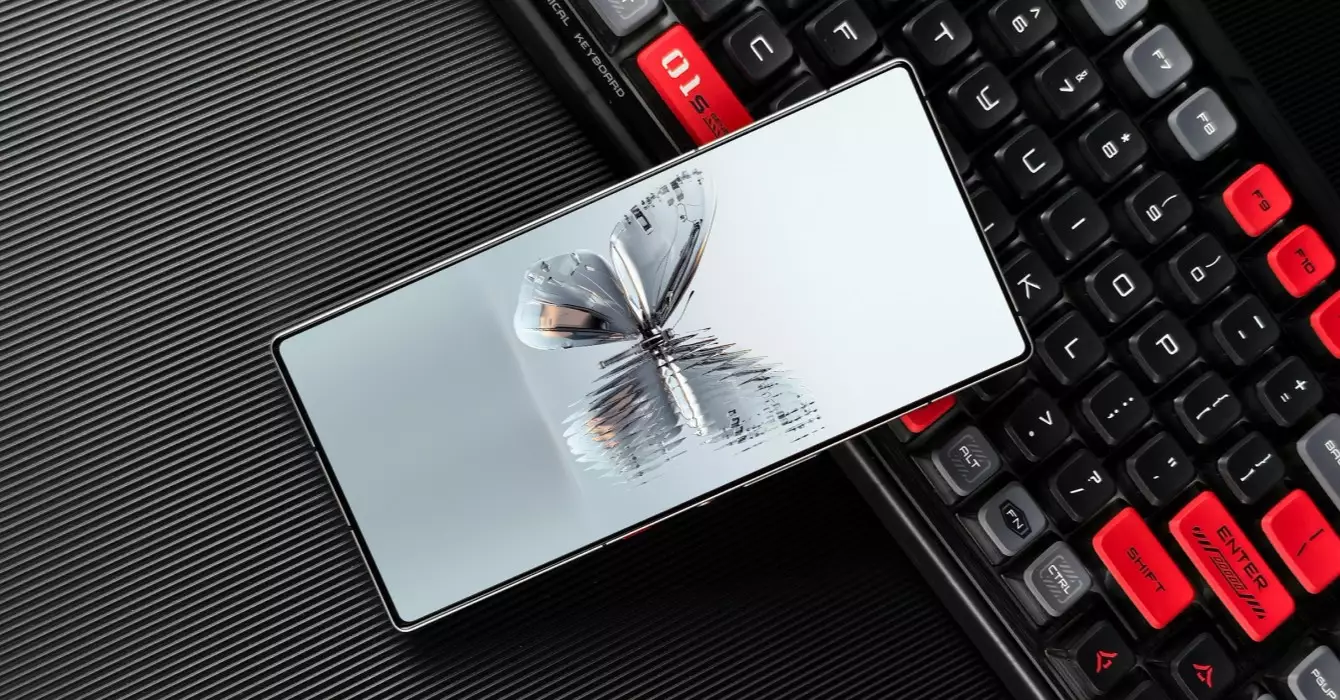
Red Magic 10 Pro Series to Feature 1.5K ‘Wukong Screen’ by BOE

The Red Magic 10 Pro series is set to make its debut in China next week, with significant anticipation surrounding the new lineup. ZTE’s sub-brand Nubia has teased the launch of the Red Magic 10 Pro series, which is expected to include both the Red Magic 10 Pro and Red Magic 10 Pro+ models. These smartphones are positioned as successors to the Red Magic 9 Pro and Red Magic 9 Pro+ respectively. As the launch draws nearer, key specifications have begun to surface, offering insights into what consumers can expect from the new devices.

A major highlight of the Red Magic 10 Pro is its display, which has garnered attention ahead of the official launch. The company recently confirmed that the device will feature a BOE-developed “Wukong Screen” — a unique display featuring a 1.5K resolution. This screen will boast a remarkable 95.3 percent screen-to-body ratio, marking a significant leap forward in smartphone display technology. According to the company, this display will be the first of its kind, and the Red Magic 10 Pro will be the first handset to showcase this new “Wukong Screen.”

In addition to its innovative display, the Red Magic 10 Pro series will also be powered by Qualcomm’s latest Snapdragon 8 Elite chipset. This chipset is expected to deliver exceptional performance, further elevating the user experience. Rumors also suggest that the devices will be equipped with a 7,000mAh battery capable of supporting up to 100W fast charging. This would provide users with extended battery life and quick charging times, ensuring that the device is ready for heavy gaming and intensive use.

The Red Magic 10 Pro series is scheduled for launch on November 13 at 3pm local time in China, with pre-reservations already open. The upcoming release is highly anticipated, as it promises to bring a mix of powerful hardware, innovative display technology, and fast charging capabilities to the market. Fans of gaming smartphones and cutting-edge tech are certainly looking forward to seeing what Nubia has in store with this new generation of Red Magic devices.