
Maruti Suzuki Partners with Qualcomm to Integrate Snapdragon Elite Chips in Future Vehicles

Maruti Suzuki Teams Up with Qualcomm to Integrate Snapdragon Elite Chips in Future Vehicles

Maruti Suzuki, the largest automotive manufacturer in India, has reportedly entered into a strategic partnership with Qualcomm to integrate the tech giant’s Snapdragon Elite automotive chips into its upcoming fleet of smart vehicles. While the precise details of the collaboration remain under wraps, industry experts speculate that these advanced Snapdragon chips will be key components in powering next-gen features for Maruti Suzuki cars, including enhanced safety systems, connected car technologies, and a host of other cutting-edge functionalities. The move signals Maruti Suzuki’s commitment to advancing the technological sophistication of its vehicles, aiming to meet the growing demand for smarter, safer, and more connected driving experiences.

The collaboration between Maruti Suzuki and Qualcomm follows a series of similar partnerships that Qualcomm has secured with other major Indian automakers, including Tata Motors and Mahindra & Mahindra. These partnerships are a part of Qualcomm’s broader strategy to tap into the rapidly evolving automotive sector, where the demand for sophisticated, connected vehicle solutions is on the rise. Qualcomm’s Snapdragon Elite chips are designed to offer high-performance processing power, providing the backbone for a range of smart features such as in-car infotainment, advanced driver-assistance systems (ADAS), and real-time vehicle connectivity.

At the Snapdragon Summit held in Hawaii last month, Qualcomm introduced two new automotive-specific chipsets: Snapdragon Cockpit Elite and Snapdragon Ride Elite. These chips are part of the Snapdragon Digital Chassis portfolio, designed to provide the processing power needed for next-generation vehicle systems. Qualcomm’s advanced chips are expected to play a crucial role in enabling futuristic features like immersive in-car experiences, autonomous driving technologies, and seamless integration with smartphones and cloud services. The new chips are expected to improve performance, reduce latency, and offer robust security features to ensure that connected cars remain safe and reliable.

This partnership between Maruti Suzuki and Qualcomm marks an important step toward the evolution of the Indian automotive market, where tech-driven innovations are becoming central to car manufacturing. As Maruti Suzuki begins incorporating Snapdragon chips into its vehicles, it is expected to offer Indian consumers a more connected and intelligent driving experience. With Qualcomm’s industry-leading technology and Maruti Suzuki’s mass-market reach, the collaboration could significantly shape the future of automotive technology in India and beyond

Honor X9c Launched with Snapdragon 6 Gen 1 SoC and IP65M Rating: Price and Specs Revealed

Honor X9c Debuts with Snapdragon 6 Gen 1 SoC, IP65M Rating, and Impressive Specs

The Honor X9c has officially launched in Malaysia, bringing with it a range of powerful features designed for performance and durability. Powered by the Snapdragon 6 Gen 1 SoC, the device is paired with up to 12GB of RAM and is backed by a 6,600mAh battery, supporting 66W wired fast charging. One of the standout features of the X9c is its impressive build quality, boasting a 2-meter drop resistance alongside an IP65M rating, making it both dust and water-resistant, including 360-degree water protection. The Honor X9c also features an OIS-enabled 108-megapixel dual rear camera, positioning it as a solid choice for photography enthusiasts. This model follows the launch of the Honor X9b, which was unveiled earlier in India earlier this year.

The Honor X9c is priced competitively in Malaysia, with the 12GB + 256GB variant available for MYR 1,499 (approximately ₹28,700). There is also a higher-end 12GB + 512GB variant priced at MYR 1,699 (around ₹32,500). While an 8GB + 256GB configuration is available on the global website, the pricing for this version has yet to be disclosed. The phone comes in three elegant color options: Jade Cyan, Titanium Black, and Titanium Purple, and it is available for pre-orders in Singapore via an online retail store.

In terms of specifications, the Honor X9c features a 6.78-inch AMOLED display with a 1.5K resolution (1,224 x 2,700 pixels) and a smooth 120Hz refresh rate, ensuring a fluid and immersive viewing experience. The display is also capable of achieving a peak brightness of 4,000 nits, which enhances visibility even in bright outdoor conditions. Under the hood, the Snapdragon 6 Gen 1 chipset is coupled with an Adreno A710 GPU, providing excellent performance for gaming and multitasking. Additionally, the device offers up to 512GB of internal storage, ensuring ample space for apps, media, and files. It runs on Android 14 with Honor’s MagicOS 8.0, delivering an intuitive user interface with additional features and optimizations.

With these robust specifications and features, the Honor X9c is positioned as a strong contender in the mid-range smartphone market. Its combination of performance, camera capabilities, and durability makes it a versatile device for a wide range of users, from tech enthusiasts to those seeking a reliable daily driver.

Google Testing Redesigned Pixel Screenshots App with New Features and Home Page Layout

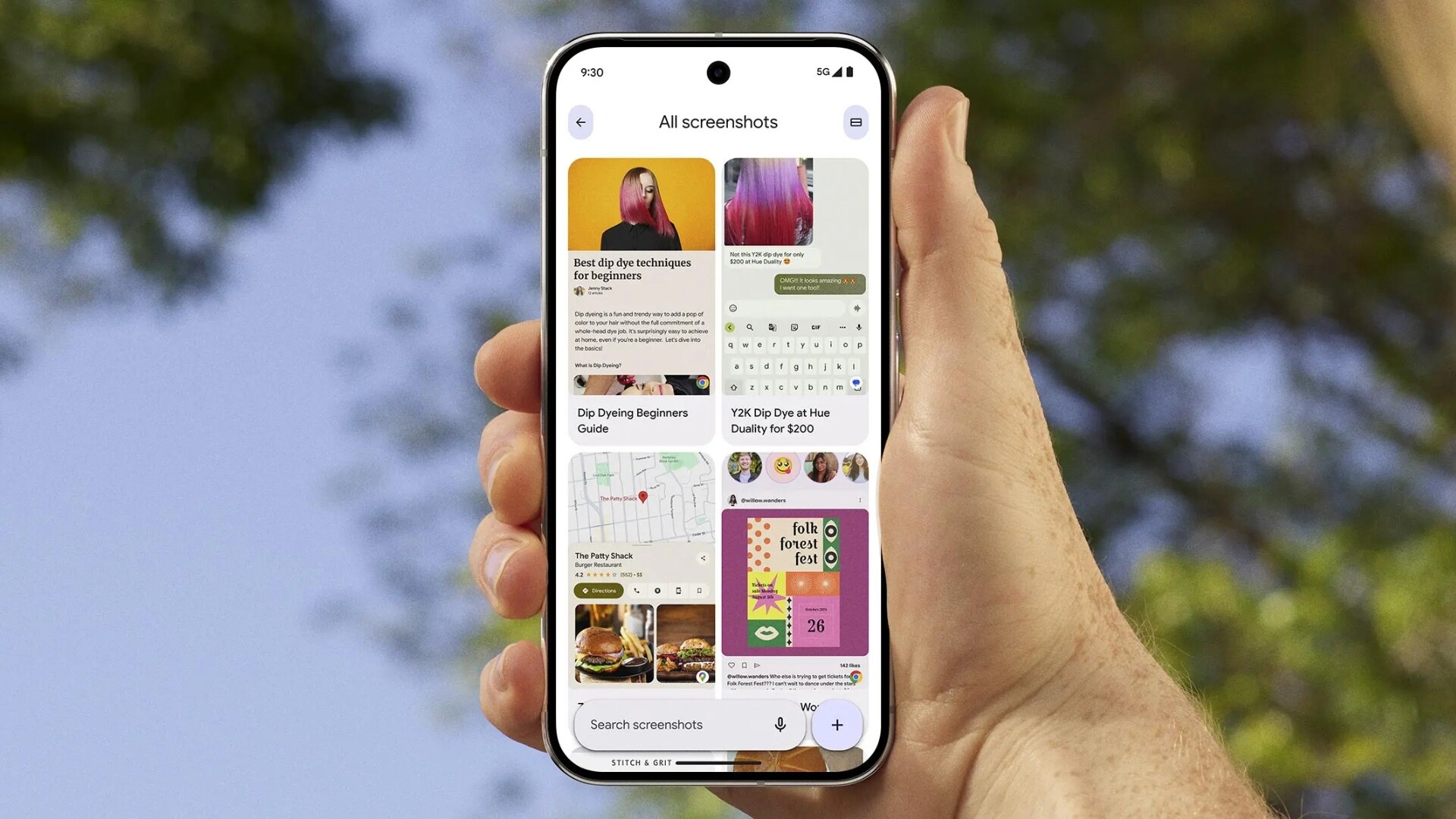
Google is reportedly enhancing its Pixel Screenshots app, which debuted with the Google Pixel 9 series back in August. This app was designed not only as a traditional image manager but also integrated artificial intelligence (AI) to allow users to search through their screenshots, making it a powerful tool for organizing and retrieving information. According to new reports, Google is testing several improvements to the app, including visual updates to the home page layout and new functionality to improve user interaction with stored screenshots.

Improved Home Page Layout and User Interface

A recent APK teardown of the Pixel Screenshots app (version 0.24.373.08) revealed that Google is experimenting with a new home page layout. The updated interface will feature a layout button next to the Screenshots header, providing users with an easy way to change the arrangement of their screenshot collection. The changes are designed to make the app more intuitive, allowing users to view all their screenshots on the home page and quickly toggle between different display formats.

New Multi-Image Selection and Organizational Features

The update also suggests that multi-image selection will be made easier. Instead of long-pressing and tapping on each screenshot individually, users might soon be able to drag select multiple images at once. This would streamline the process of selecting and managing screenshots, particularly for users who frequently deal with large numbers of images. Additionally, the update hints at the ability to rename collections, providing even more flexibility in organizing and labeling different screenshot groups within the app.

Enhancing the User Experience

The improvements to the Pixel Screenshots app reflect Google’s ongoing effort to enhance the user experience and increase the app’s functionality. By allowing users to more easily interact with their screenshot library and organize images in new ways, Google is adding more features that align with the growing demand for seamless, intuitive tools on its Pixel devices. The combination of AI-powered search and layout customization positions the Pixel Screenshots app as a much more sophisticated tool for managing screenshots beyond its original capabilities.