
New Geodynamic Model Sheds Light on Erosion Process of North China Craton

Researchers from the China University of Geosciences in Beijing, led by Professor Shaofeng Liu, have provided new insights into the North China Craton (NCC), revealing the complex process of its gradual erosion over millions of years. The team’s study, published in Nature Geoscience, introduces a groundbreaking geodynamic mantle-flow model that challenges long-standing assumptions about the stability of ancient continental crust. This model uncovers the tectonic forces that have destabilized the NCC, particularly focusing on events that began in the Mesozoic era, a time of significant geological change.

Unveiling the Tectonic Forces Behind the Erosion

The research suggests that beneath the Eurasian plate, where the NCC resides, an unusual form of tectonic movement called flat-slab subduction played a critical role in the craton’s erosion. Unlike typical subduction, where one tectonic plate sinks directly beneath another, the Izanagi plate slid horizontally under the NCC’s crust. This horizontal movement weakened the crust’s foundation, setting off a series of chemical reactions that gradually eroded the once-stable base of the craton. The study reconstructs these ancient tectonic events using seismic and stratigraphic data, offering a fresh perspective on the forces that reshaped this significant portion of Earth’s continental crust.

Three Key Phases of Deformation

The researchers have identified three distinct stages in the deformation of the NCC, each driven by different tectonic interactions. The first stage began with the subduction of the Izanagi plate, which applied horizontal pressure on the NCC, altering its composition. As the subduction process progressed, the plate eventually rolled back, leading to a thinning of the lithosphere in the second stage. This rollback also caused surface uplift and the formation of rift basins, reshaping the landscape above. In the final phase, a mantle wedge—a zone of partially melted material—formed between the sinking plate and the craton, further weakening the foundation and promoting volcanic activity.

Implications for Understanding Craton Stability

This research significantly alters the way scientists view the stability and evolution of ancient cratons. While cratons were once thought to be immutable and stable over geological timescales, this new model highlights the dynamic forces that can gradually erode and reshape even the most ancient parts of Earth’s crust. By detailing the stages of deformation and the processes driving the erosion of the NCC, the study provides a deeper understanding of how tectonic interactions at the Earth’s core can have long-lasting impacts on the surface. These findings could have broader implications for understanding the evolution of other ancient continental cratons worldwide.
Meta Grants US Government Agencies Access to Llama AI Models

Meta recently announced that its Llama AI models will now be available to US government agencies and contractors, a move that follows concerns over the potential use of its open-source AI technology in other countries. The announcement comes just days after reports surfaced claiming that researchers in China were leveraging the company’s models for military purposes. In response to these reports, Meta emphasized that the release of its Llama models to US entities would be aimed at advancing defense and national security efforts, as well as supporting private sector partners working in collaboration with the government.

Collaboration with Government and Private Sector

Meta’s move to grant access to the Llama AI models is not limited to just government agencies. The company has also forged partnerships with several private enterprises that are working with the US government on defense and security-related applications. Companies such as Accenture Federal Services, Amazon Web Services, Booz Allen, Lockheed Martin, and Microsoft are among those involved in bringing the Llama models to various government departments and contractors. These collaborations are designed to harness the capabilities of Llama for a range of critical government operations, from national defense to infrastructure management.

Real-World Applications for National Security

Meta provided examples of how its Llama models are already being put to use within the US government. One notable example involves Oracle, which is utilizing the AI technology to assist in aircraft maintenance. By using Llama to synthesize maintenance documents, Oracle is helping government agencies diagnose problems more efficiently, streamline repairs, and reduce downtime. Such applications demonstrate the practical benefits of using AI to enhance operational efficiency and decision-making within complex and high-stakes environments like national defense.

Strategic Importance of AI in Government Operations

The integration of Llama AI models into government operations reflects the growing importance of artificial intelligence in shaping modern defense and security strategies. As AI becomes more sophisticated, its potential to improve everything from military logistics to cybersecurity is immense. Meta’s collaboration with the US government and its private-sector partners indicates a broader effort to ensure that cutting-edge technologies like Llama are utilized for national security purposes while mitigating potential risks of misuse.

iOS 18.2 Beta 2 Brings New API for Developers to Leverage Siri and Apple Intelligence for Content Awareness

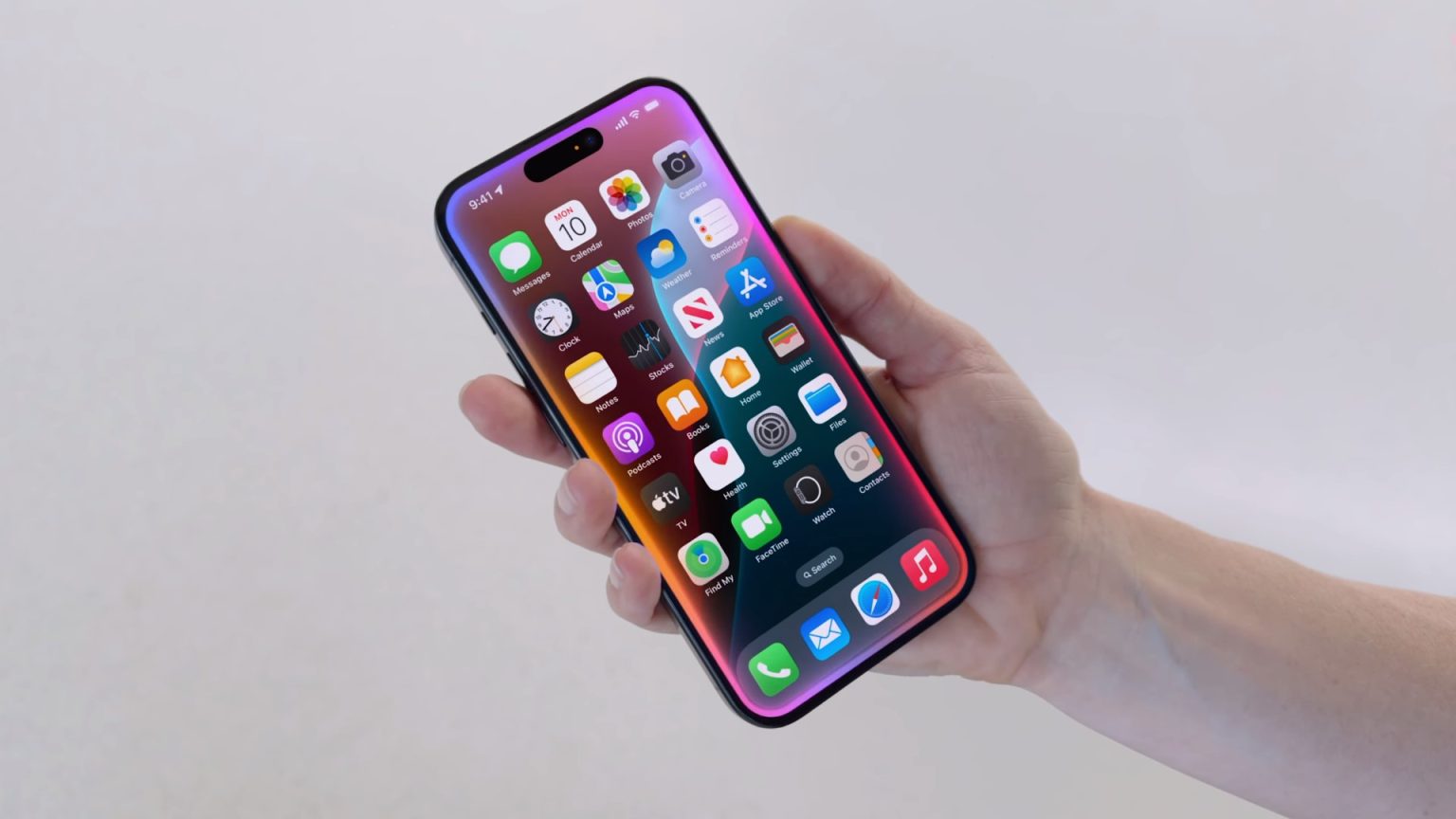
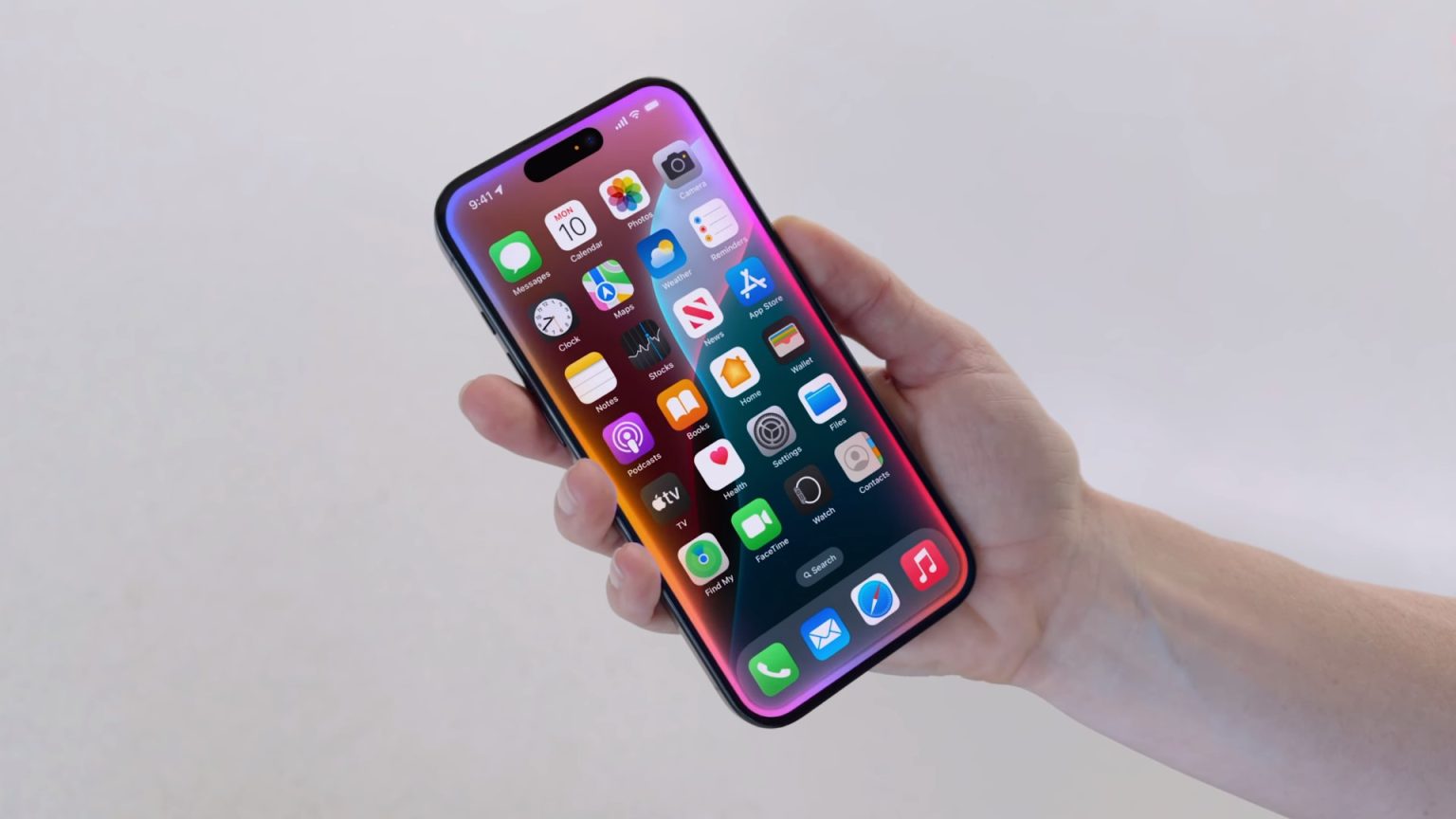
Apple has rolled out the iOS 18.2 Beta 2 for developers, marking a significant step towards the upcoming version of its smartphone operating system, expected to be officially launched in early December. This new beta introduces several enhancements, notably the inclusion of more Apple Intelligence features. One of the most anticipated additions in this release is the introduction of an API designed to provide Siri and Apple Intelligence with access to on-screen content, allowing these technologies to share relevant information with third-party services for processing.

New API for Enhanced Content Awareness

The core feature of iOS 18.2 Beta 2 is the onscreen content API, which allows developers to make the content visible on the device’s screen accessible to Siri and Apple Intelligence. This API enables a deeper integration of Siri with the on-screen data, which can enhance user interactions by making the virtual assistant more contextually aware of the content being displayed. Apple has provided detailed documentation on this new feature on the Apple Developer website, outlining how developers can implement this functionality in their apps.

How the Onscreen Content API Works

The new onscreen content API works by allowing developers to expose the content displayed within their apps to Siri or Apple Intelligence when the user specifically requests it. For example, if a user asks Siri a question or makes a request related to something displayed on their screen, the system can analyze the on-screen content and provide a relevant, context-aware response. Additionally, this data can be shared with third-party services, such as OpenAI’s ChatGPT, enabling even more advanced processing and interaction, based on the specific content the user is viewing.

Potential Uses and Privacy Considerations

This development brings numerous possibilities for enhancing user experience. It could enable more dynamic and personalized interactions with Siri, such as real-time translations, content summarization, or even more intuitive answers to user queries based on what’s currently visible on the screen. However, the implementation of this API raises privacy concerns, as users will need to trust that their onscreen data will be handled securely. Apple has likely designed the feature with privacy in mind, but developers and users alike will need to consider the implications of sharing onscreen content with third-party services.

Looking Ahead

The inclusion of this API in iOS 18.2 Beta 2 sets the stage for a future where Siri and Apple Intelligence are significantly more integrated into the user experience, enabling smarter, more adaptive interactions. As this feature evolves and reaches more users with the official release of iOS 18.2, we can expect more apps to leverage this technology, leading to increasingly intelligent and context-aware virtual assistants. The update also signals Apple’s ongoing commitment to improving artificial intelligence capabilities on its devices, allowing third-party services to play a more active role in processing user content.