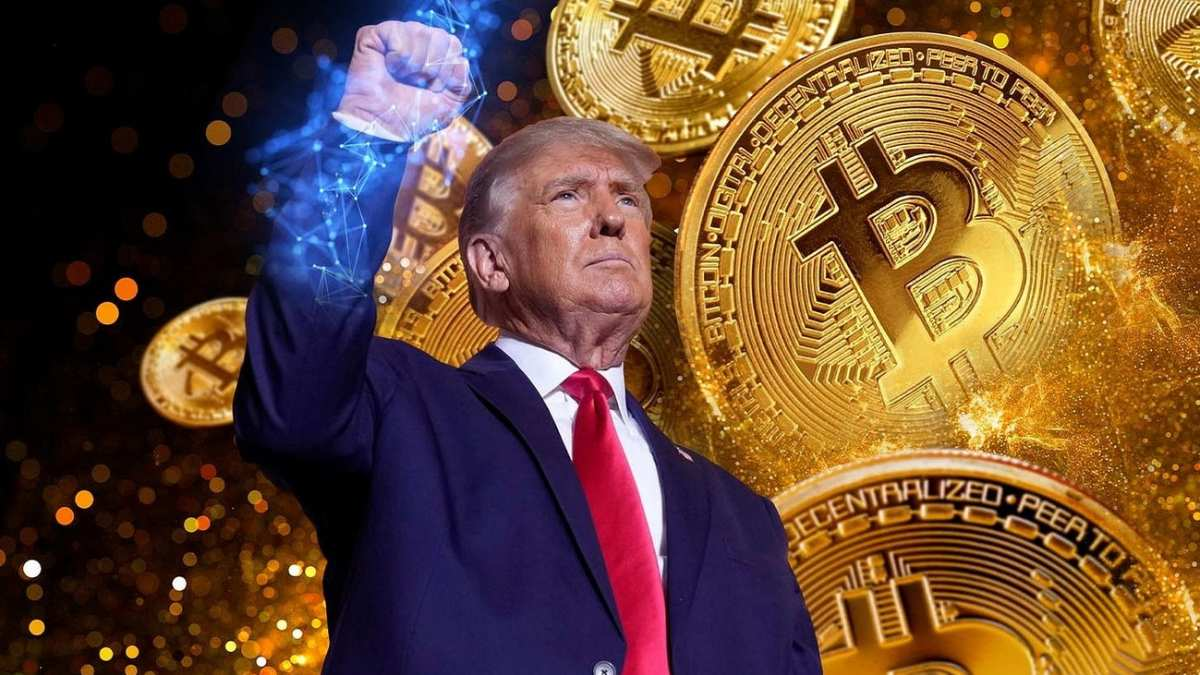
Ethical Concerns Surround Trump Crypto Venture’s Partnership with Tron

A recently announced crypto venture co-founded by U.S. President-elect Donald Trump and billionaire Middle East envoy Steve Witkoff has partnered with Tron, a blockchain platform linked by authorities to transactions involving militant groups such as Hamas and Hezbollah. The venture, named World Liberty Financial Inc., raises significant ethical concerns, say multiple U.S. government ethics specialists.

Founded two months before the U.S. election, World Liberty partnered with Tron, which recently invested $30 million in the venture. Tron’s founder, Justin Sun, will also serve as an advisor to World Liberty. The Tron platform has faced allegations of facilitating financial transactions for criminal networks and organizations designated as terrorist groups by Israel and the United States.

Reports from Israel’s National Bureau for Counter Terror Financing (NBTCF) revealed that since 2021, authorities have frozen 186 Tron wallets linked to illicit activities, including 84 wallets tied to Hamas, 39 to Hezbollah, and others to unspecified militant organizations. Tron profits from transaction fees on its network and has acknowledged its use by both lawful and unlawful entities.

Experts in financial crime and ethics argue that World Liberty’s partnership with Tron, coupled with Trump’s financial involvement, poses potential conflicts of interest and ethical concerns. Trump is listed as “chief crypto advocate” for World Liberty and is entitled to a portion of its revenues. Ethics specialists fear that the venture could influence regulatory decisions made by the Trump administration regarding cryptocurrency, including its leadership of the Securities and Exchange Commission (SEC).

Adding to the controversy, Justin Sun is under investigation by the SEC for alleged fraud, including artificially inflating trading volumes and concealing promotional payments. While Sun denies these charges, his relationship with World Liberty has drawn criticism.

Steve Witkoff, a close ally of Trump and co-founder of World Liberty, also faces scrutiny as the newly appointed special envoy to the Middle East. His dual roles raise questions about conflicts of interest, with concerns that his diplomatic recommendations could be influenced by his financial stake in World Liberty.

Ethics experts have called for clear boundaries, such as financial disclosures and agreements preventing discussions of crypto during diplomatic engagements. Critics argue that the venture blurs the lines between Trump’s business interests and public service, creating potential risks of foreign influence and ethical violations.

Nvidia Expands Hiring in China to Bolster AI-Driven Automotive Research

Nvidia has significantly increased its workforce in China, hiring around 200 employees this year to enhance its research capabilities, with a primary focus on autonomous driving technologies, according to a report from Bloomberg News.

The expansion brings Nvidia’s total workforce in China to nearly 600 employees, primarily based in Beijing. The company has also recently opened a new office in Zhongguancun, often referred to as China’s “Silicon Valley.” These moves reflect Nvidia’s strategic emphasis on leveraging China’s growing expertise and demand in AI-driven automotive technologies.

Globally, Nvidia employed approximately 29,600 people across 36 countries by the end of its fiscal year 2024, according to the company’s February filing. Nvidia has not issued a comment on the report.

This hiring spree comes amid challenges for Nvidia in China, where it is under investigation for alleged violations of the country’s anti-monopoly laws. Many view the probe as a response to U.S. restrictions on China’s chip industry. The investigation has added tension to Nvidia’s operations in a market that accounted for about 17% of its revenue in the fiscal year ending January 2024, down from 26% two years earlier.

Nvidia’s expansion in China highlights its commitment to maintaining a presence in one of the world’s most significant markets for autonomous driving and AI technologies, even as regulatory hurdles complicate its business landscape.


U.S. Asks Court to Deny TikTok’s Request to Block Divestment Law

The U.S. Justice Department has urged a federal appeals court to reject TikTok’s emergency bid to delay a law mandating its Chinese parent company, ByteDance, to divest the app in the United States by January 19, 2024, or face a nationwide ban.

TikTok and ByteDance filed their motion earlier this week with the U.S. Court of Appeals for the District of Columbia, warning that without intervention, the law would effectively shut down TikTok, which boasts over 170 million monthly users in the U.S. They also argued that the app is a vital platform for free expression.

The Justice Department contended that TikTok’s continued ownership by ByteDance represents a “continuing threat to national security,” particularly concerning the potential misuse of American user data by the Chinese government. In its filing, the DOJ stated that while the ban would not immediately restrict TikTok use by existing users, the eventual prohibition on support and updates would render the app unusable over time.

Last Friday, a three-judge panel upheld the law requiring ByteDance to divest TikTok, dismissing the companies’ arguments. TikTok has since appealed to the U.S. Supreme Court, seeking a temporary delay while awaiting further rulings.

The timing of the decision could leave TikTok’s fate in the hands of President Joe Biden, who must decide whether to grant a 90-day extension to ByteDance to complete the divestment before the Jan. 19 deadline. The issue could also fall to President-elect Donald Trump, who will take office the day after the deadline.

Trump has stated he would oppose a TikTok ban, signaling a sharp departure from his earlier stance during his first presidency, when he unsuccessfully attempted to ban the app in 2020. His previous efforts to block TikTok and Tencent-owned WeChat were halted by the courts.

The law also gives the U.S. government expanded authority to ban other foreign-owned apps that raise national security concerns over data collection. This precedent further heightens the stakes, with ByteDance and TikTok seeking clarity on their operational future in the U.S.

The legal battle underscores the tension between national security concerns and the role of TikTok as a major platform for content creation, communication, and cultural exchange in the U.S.