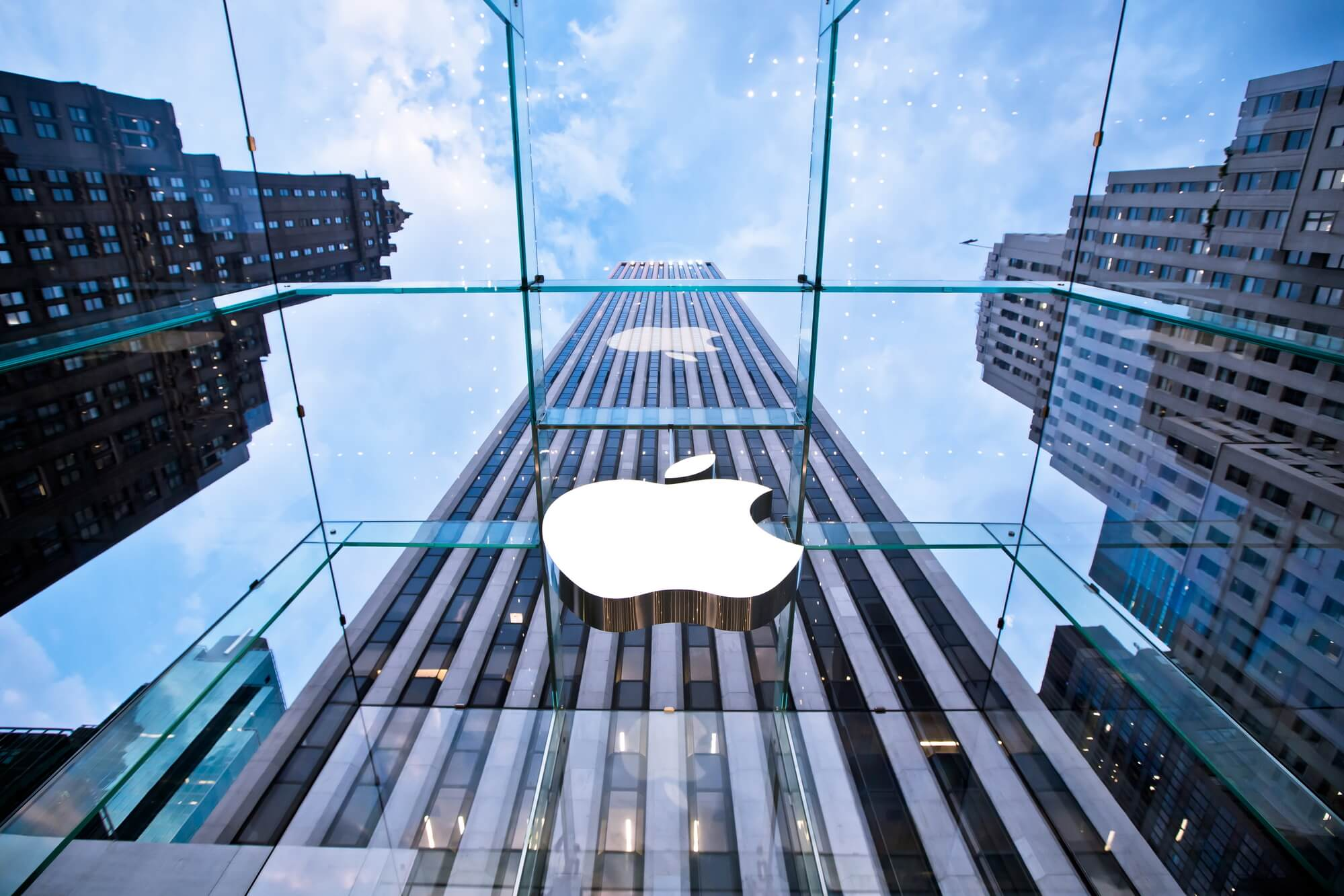
Apple to Introduce Satellite Communications and Blood Pressure Monitoring to Apple Watch

Apple is reportedly planning to integrate satellite communication capabilities into its Apple Watch by 2025, as well as introducing a blood-pressure monitoring feature, according to a Bloomberg News report on Tuesday.

The satellite communication feature is expected to debut in the 2025 iteration of the Apple Watch Ultra. This capability will allow users to send messages without relying on cellular or internet connections, leveraging Apple’s ongoing advancements in satellite technology. Apple initially brought satellite connectivity to its iPhones in 2022 and recently invested $1.5 billion into satellite provider Globalstar to enhance these services further.


HEALTH-FOCUSED INNOVATIONS

In addition to satellite communication, Apple is reportedly ramping up development on a blood-pressure monitoring feature for its smartwatch. This medical functionality is also anticipated to launch in 2025. Apple has been steadily expanding the health-related capabilities of its devices, aiming to provide users with tools for long-term health tracking and emergency response.

In September, Apple introduced a new smartwatch model that can detect conditions such as sleep apnea and alert users to emergencies. These developments align with the company’s broader push to make its devices integral to users’ health and wellness routines.


MARKET IMPACT AND OUTLOOK

Apple’s latest innovations underscore its strategy to blend advanced technology with health-focused features, aiming to further entrench its ecosystem in consumers’ daily lives. Satellite connectivity on the Apple Watch would enhance its utility in areas with limited cellular coverage, appealing to outdoor enthusiasts and adventurers.

While the company did not immediately respond to requests for comment, these anticipated features are expected to position Apple strongly in the wearable tech and health device markets, reinforcing its leadership in both sectors.


Gen Digital Acquires MoneyLion in $1 Billion All-Cash Deal

Gen Digital, the parent company of Norton and Avast, has announced its acquisition of fintech firm MoneyLion in a deal valued at approximately $1 billion. The all-cash transaction, revealed on Tuesday, is aimed at strengthening Gen Digital’s consumer finance capabilities.

Under the agreement, Gen Digital will pay $82 per MoneyLion share, representing a 6.5% premium over MoneyLion’s last closing price. Additionally, MoneyLion shareholders will receive a contingent value right (CVR) worth $23 in Gen Digital shares, contingent on the cybersecurity company’s future stock performance.


STRATEGIC BENEFITS AND EXPANSION

The acquisition positions Gen Digital to enhance its financial wellness services by integrating MoneyLion’s personal finance platform, which currently serves over 18 million users. MoneyLion offers tools such as credit-building services and financial management solutions, making it a valuable addition to Gen Digital’s existing portfolio.

Gen Digital’s current financial services focus on helping institutions reduce fraud costs by incorporating cybersecurity tools that enhance customer data protection. By acquiring MoneyLion, Gen Digital aims to broaden its reach in the financial wellness space while leveraging its expertise in cybersecurity and subscription-based platforms.


MARKET IMPACT AND OUTLOOK

The acquisition is expected to close in the first half of Gen Digital’s fiscal year 2026. Once finalized, the deal is projected to boost Gen Digital’s adjusted per-share profit.

This move comes as Gen Digital continues to capitalize on growing demand for data protection and enterprise security services. With the rise of generative AI in business operations, the company’s cybersecurity solutions have gained importance for reducing risks and enhancing online safety.

The acquisition also highlights the broader trend of tech companies expanding into fintech, aiming to offer comprehensive solutions that address both financial management and cybersecurity needs.

GameStop Reports Q3 Profit Amid Cost-Cutting Measures

meStop reported a $17.4 million net income for its third quarter, marking a turnaround from the $3.1 million loss reported in the same period last year. This improvement comes as the videogame retailer intensifies cost-saving strategies, including closing underperforming stores and shifting its focus toward higher-margin products.

CEO Ryan Cohen, who took leadership in June, emphasized plans to operate with “a smaller network and more value-added” offerings to drive profitability. These changes contributed to a modest rise in the company’s stock, which increased by over 2% in after-hours trading.


CHALLENGES AND STRATEGIC MOVES

Despite the profit, GameStop faces ongoing struggles to boost revenue. Third-quarter sales dropped 20%, falling to $860 million compared to $1.08 billion a year ago. The company continues to grapple with challenges such as:

  • Sluggish demand for video game hardware and collectibles.
  • Fierce competition from e-commerce giants like Amazon and eBay.
  • Reduced consumer spending amid stubborn inflation and broader economic uncertainty.

The gaming market’s slow recovery adds another layer of complexity to GameStop’s turnaround efforts. Analysts remain skeptical of the company’s prospects, with Wedbush Securities’ Michael Pachter expressing doubts about the sustainability of its core business. “There is no turnaround, just stock sales to willingly foolish investors,” Pachter remarked.


SHAREHOLDER INTEREST AND MEME STOCK LEGACY

GameStop’s shares have seen a rally of more than 50% in 2024, largely fueled by the reemergence of Keith Gill—known as “Roaring Kitty”—a key figure in the 2021 meme-stock phenomenon that saw GameStop’s stock skyrocket by 1,600% in January of that year. The renewed enthusiasm among Gill’s followers has allowed GameStop to raise $3 billion earlier this year through share sales, capitalizing on its stock momentum.

At the end of the third quarter, the company reported $4.58 billion in cash and cash equivalents, up from $4.19 billion in the previous quarter.