Amazon Partners with Intuit to Bring QuickBooks to Third-Party Sellers

Amazon is expanding its services for third-party sellers by partnering with Intuit to introduce its QuickBooks software, providing accounting tools to help sellers manage their finances. The collaboration, announced on Monday, will offer the software on Amazon Seller Central, the platform used by millions of sellers to manage their businesses on Amazon. This new integration is expected to launch in mid-2025.

With this move, Amazon aims to assist smaller sellers—especially mom-and-pop shops—with managing their finances more effectively. Sellers will have access to real-time insights into their financial health, including profitability, cash flow, and tax estimates. Additionally, sellers will have the opportunity to access loans through QuickBooks Capital to further support business growth.

Dharmesh Mehta, Amazon’s vice president of worldwide selling partner services, emphasized the importance of this collaboration, saying, “Together with Intuit, we’re working to equip our selling partners with additional financial tools and access to capital to help them scale efficiently.”

Although the integration won’t go live until next year, the announcement comes just as sellers are gearing up for the busy holiday shopping season. The partnership highlights Amazon’s continued focus on its marketplace, which accounts for about 60% of the products sold on its platform. The company generates substantial revenue from third-party sellers, both through fees for fulfillment, shipping services, customer support, and advertising.

Amazon’s seller services revenue grew by 10% in Q3, reaching $37.9 billion and contributing 24% of its total revenue. Amazon CEO Andy Jassy noted that third-party demand and unit volumes remain strong, reflecting the importance of the marketplace to Amazon’s overall business strategy.

Intuit, which is best known for its QuickBooks accounting software, has been expanding its offerings with AI-driven tools to help small businesses streamline their operations. QuickBooks has been a major growth driver for the company, and Intuit has recently added generative AI features to its suite of tools, including QuickBooks and Mailchimp, to provide more automated insights for small business owners. Intuit CEO Sasan Goodarzi noted that the goal is to create a seamless, “done-for-you” experience across its platforms to help sellers increase revenue and profitability while saving time.
 

Tesla Sued by Family Over Alleged Misrepresentation of Autopilot Safety in Fatal Crash

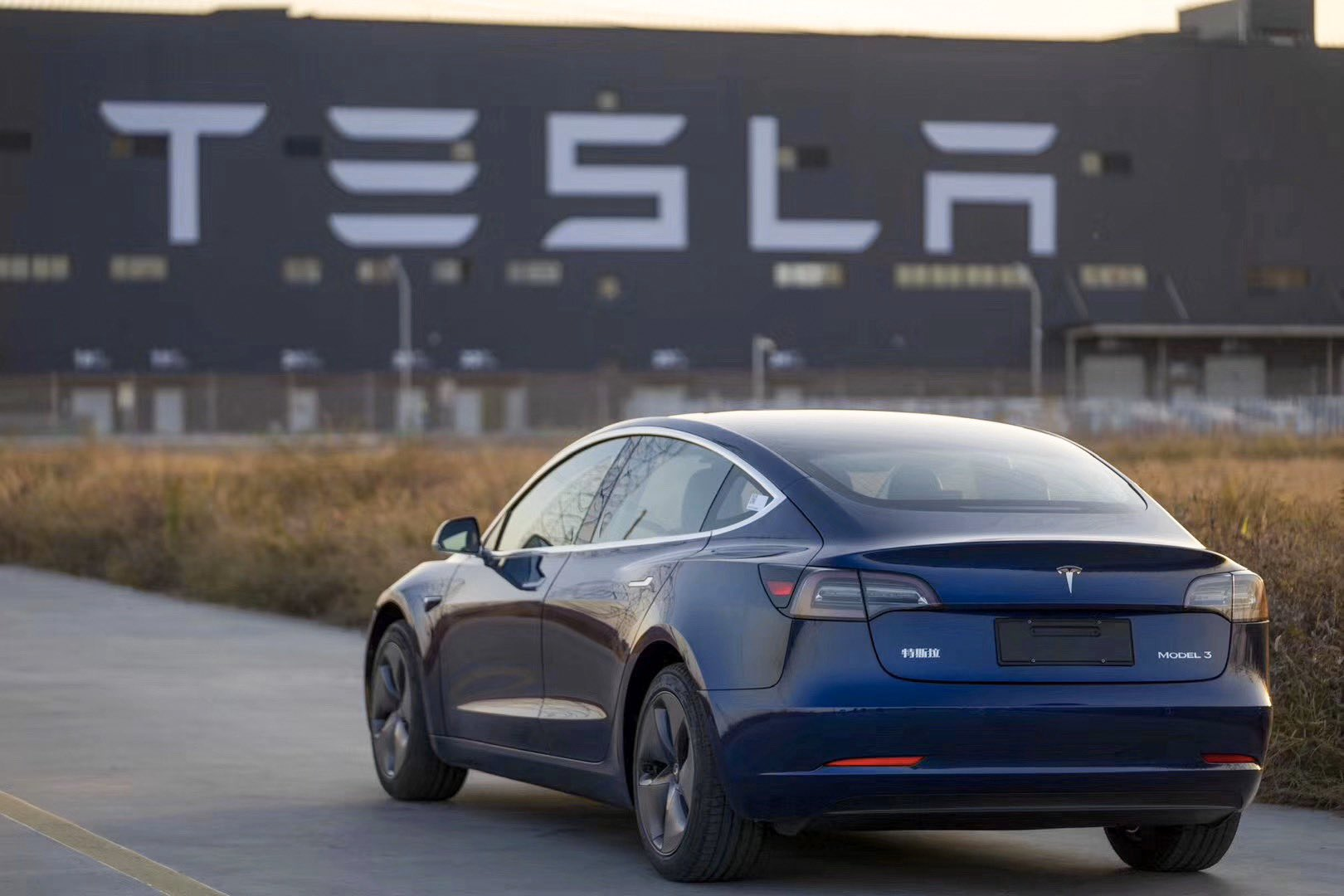
Tesla is facing a lawsuit filed by the family of a driver who died in a collision in 2023, alleging that the company’s “fraudulent misrepresentation” of its Autopilot technology was to blame for the fatal crash. The lawsuit, filed in October in Contra Costa County, California, centers around the death of Genesis Giovanni Mendoza-Martinez, who was driving a 2021 Tesla Model S when it crashed into a parked fire truck while using the Autopilot system. Mendoza’s brother, Caleb, who was a passenger at the time, was seriously injured in the incident.

The Mendoza family’s legal team argues that Tesla, along with CEO Elon Musk, has exaggerated the capabilities of the Autopilot system in order to boost excitement and financial performance for the company. The lawsuit cites multiple instances, including tweets, company blog posts, and statements from earnings calls, where Tesla has made claims about Autopilot’s safety and effectiveness.

In response, Tesla’s legal team contends that the crash was caused by the driver’s own “negligent acts” and that any representations made by the company were not a substantial factor in the incident. Tesla asserts that its vehicles and systems are designed to meet safety standards and comply with both state and federal laws.

Tesla recently succeeded in moving the case from state court to federal court in California’s Northern District. Legal experts note that fraud claims in federal court typically carry a higher burden of proof. The lawsuit adds to the growing number of legal challenges Tesla faces regarding the safety of its Autopilot and Full Self-Driving (FSD) systems. At least 15 other cases are currently active, involving Tesla incidents where either Autopilot or FSD was in use prior to a crash, some of which have been moved to federal court.

The crash has also drawn attention from the National Highway Traffic Safety Administration (NHTSA), which opened an investigation into Tesla’s Autopilot system in 2021. As part of the probe, Tesla made several updates to its systems, including over-the-air software modifications. A second NHTSA investigation is ongoing, evaluating the effectiveness of Tesla’s remedy to address Autopilot behavior around stationary emergency vehicles.

Tesla is also under scrutiny from the California Department of Motor Vehicles, which has sued the company for false advertising, alleging that Tesla’s claims about its Autopilot and FSD features mislead consumers. Despite these legal challenges, Tesla is continuing to roll out a new version of its FSD system. Elon Musk recently encouraged his millions of followers on X to “Demonstrate Tesla self-driving to a friend,” claiming the technology “feels like magic.”

Despite Musk’s ongoing promises of fully autonomous driving, competitors like Waymo (owned by Alphabet) and Chinese firms WeRide and Pony.ai are already operating commercial robotaxi services, while Tesla has yet to deliver a fully autonomous vehicle.


Tim Kuniskis Rejoins Stellantis to Lead Ram Brand After CEO’s Exit

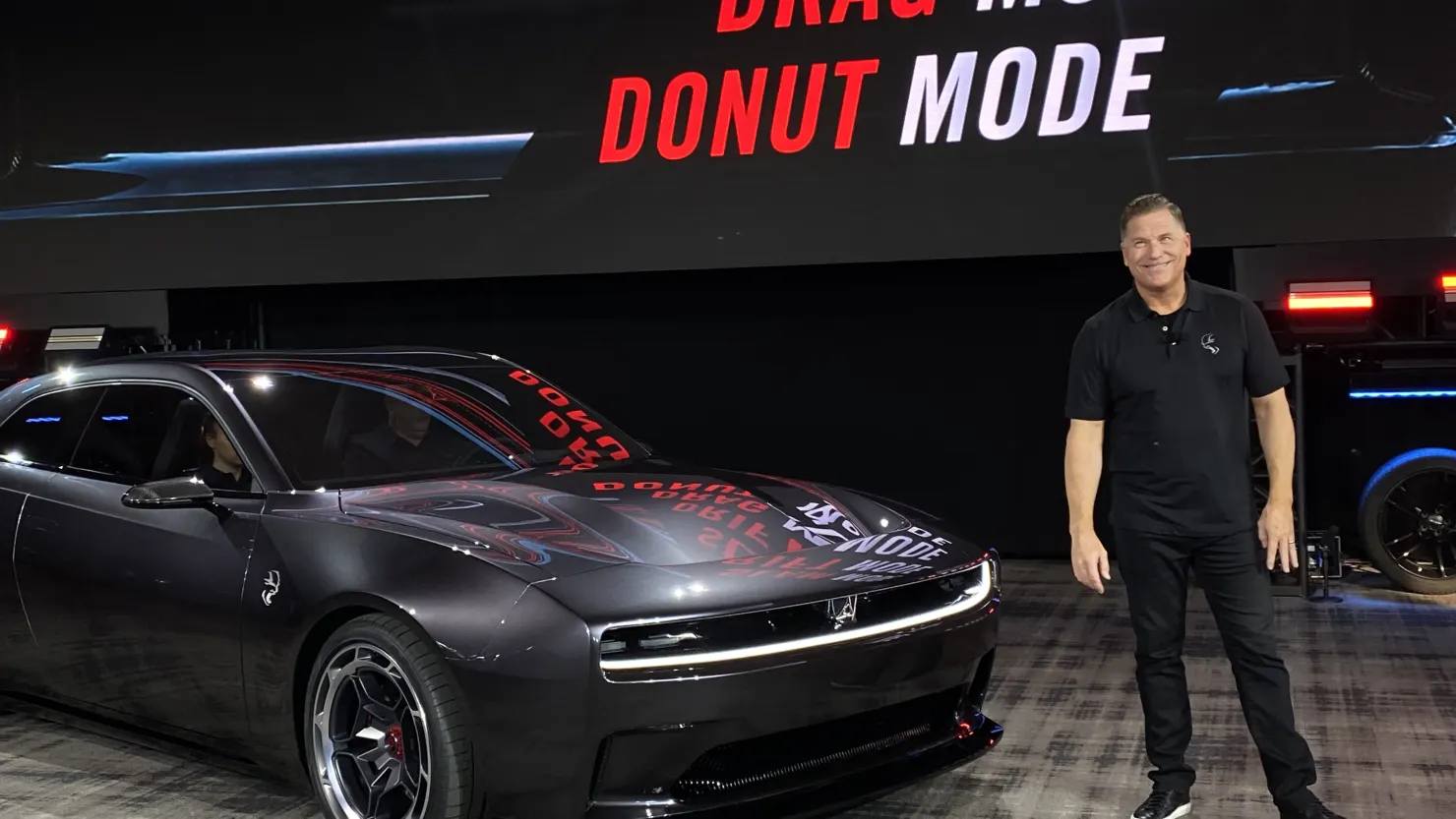
Tim Kuniskis, a prominent Stellantis executive, is returning to the automaker with immediate effect, CNBC has confirmed. Kuniskis, who retired in May, will resume leadership of the Ram Trucks brand, according to sources familiar with the decision. The announcement, which was shared with Stellantis employees on Monday, follows the unexpected resignation of CEO Carlos Tavares just a week earlier, amid challenges in the company’s North American market.

In a statement, Stellantis emphasized that the restructuring would help the company achieve better results in the region and capitalize on the potential of the Ram brand. The company noted that having a CEO dedicated solely to Ram would be a key part of this strategy.

Kuniskis is well-regarded for his previous leadership of the Ram and Dodge brands at Stellantis. He is especially recognized for his role in bringing the high-performance Hellcat models to Dodge, helping the brand become synonymous with American muscle cars. Kuniskis also led the introduction of the Hellcat-powered Ram TRX pickup truck, further cementing his legacy as a key figure in Stellantis’ North American operations.

His return is part of broader changes within Stellantis’ North American leadership. Chris Feuell will now oversee both Chrysler and Alfa Romeo, while Jeff Kommor will focus solely on North American sales. Meanwhile, Larry Dominique, previously in charge of Alfa Romeo for North America, is set to depart.

Kuniskis’ return to Stellantis comes at a time when the company is grappling with a decline in U.S. sales, particularly for the Ram brand, which saw a 24% drop in sales through the third quarter of 2024.