
Netflix Unveils Teaser for Apple Cider Vinegar Series

Netflix has recently dropped the teaser for its highly anticipated series, Apple Cider Vinegar, a gripping exploration into the world of health and wellness influencers. The show is set to expose the dark side of the wellness industry, focusing on influencers who deceive their followers for personal gain. Drawing inspiration from real-life events, the series will examine the blurred line between truth and fiction in the digital age, providing viewers with a captivating look at the rise and eventual collapse of an empire built on lies.

While the official release date for Apple Cider Vinegar has yet to be revealed, Netflix has confirmed that the series will be available for streaming soon. It will be accessible to audiences worldwide, offering a deep dive into the deceptive practices that have become all too common in the online wellness community. The platform promises a hard-hitting look at the allure and dangers of social media-driven health fads.

The teaser trailer for Apple Cider Vinegar gives fans a first look at the early days of Instagram and the rise of two young women who claim to have discovered life-changing wellness solutions for serious health conditions. As their stories captivate millions, the reality behind their claims is far less rosy. The show is inspired by The Woman Who Fooled the World, a book by journalists Beau Donelly and Nick Toscano, and it delves into the intersection of truth and illusion in social media culture. The series promises to mix factual events with fictionalized drama, painting a vivid picture of how a fabricated wellness empire can rise and fall.

With its intriguing premise and star-studded cast, Apple Cider Vinegar is shaping up to be one of Netflix’s most talked-about series. As the platform continues to tease more details, audiences can expect a powerful, thought-provoking look at the consequences of living in a world where truth is often hard to discern. The series is set to be a must-watch for anyone fascinated by the intersection of social media, wellness, and deception.
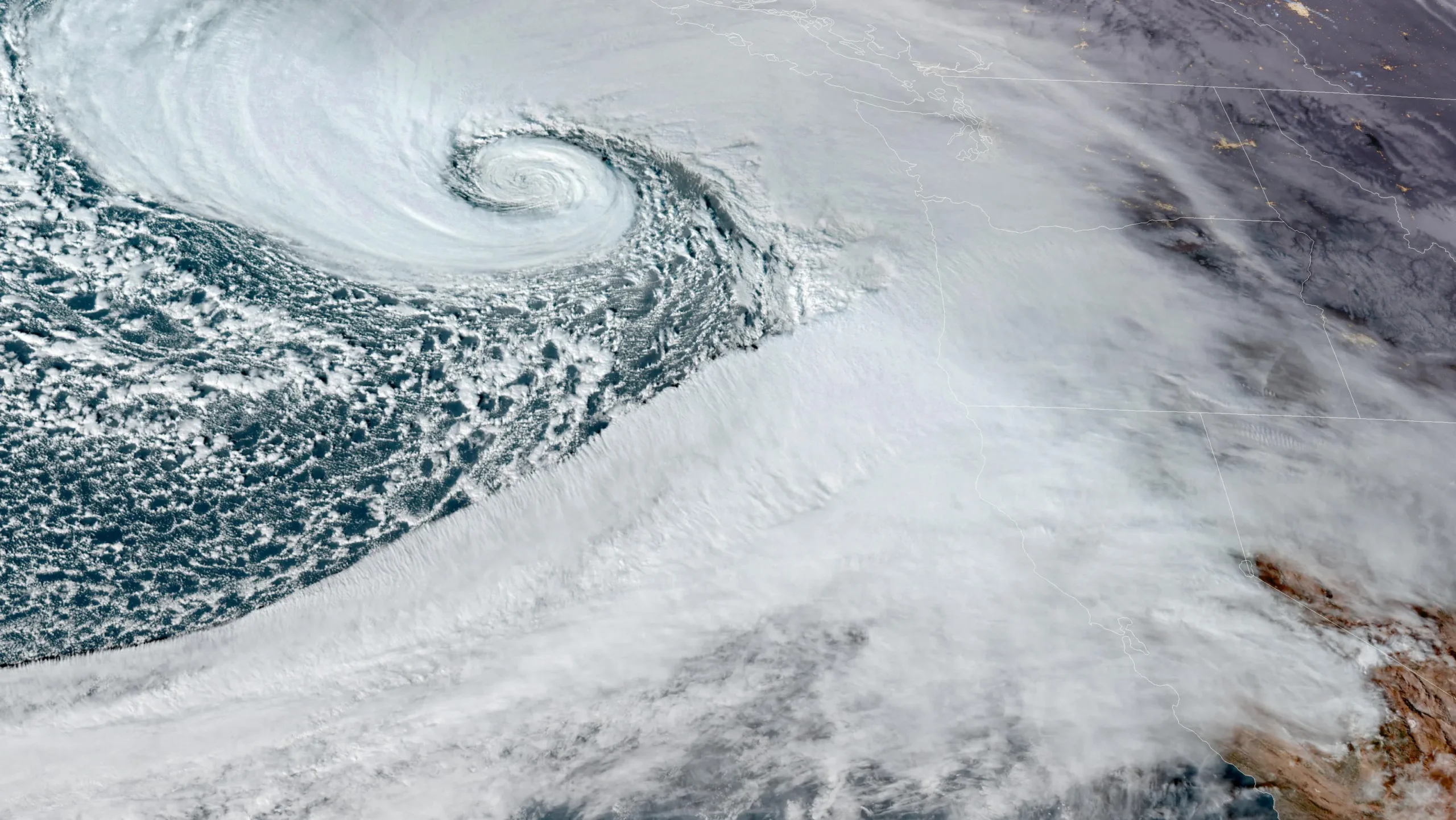
West Coast Braces for Severe Bomb Cyclone Bringing Intense Rain and Winds

A formidable storm system, set to evolve into a “bomb cyclone,” is making its way toward Northern California and southern Oregon. The event is anticipated to occur from Tuesday, November 19 to Thursday, November 21, bringing with it dangerous weather conditions. Meteorologists are warning residents to brace for heavy rainfall, high winds, and significant snowfall in the mountains. These extreme weather elements may lead to flash flooding, power outages, and hazardous driving conditions throughout the region.

The storm is expected to undergo “bombogenesis,” a rapid intensification process where the storm’s pressure drops dramatically. Weather experts forecast a decline in atmospheric pressure from over 1,000 millibars on Monday evening to below 950 millibars by Tuesday night. This sharp pressure drop is a clear sign that the storm is rapidly strengthening, a phenomenon that has been observed and verified by the National Oceanic and Atmospheric Administration (NOAA).

The severe impacts of this bomb cyclone are expected to affect a wide stretch of the West Coast. In particular, areas between the San Francisco Bay Area and Eureka, California, are at high risk of extreme weather, with gusty winds reaching up to 70 mph. Additionally, rainfall totals could accumulate between 2 and 4 inches per day. These conditions are expected to cause flooding, hazardous roadways, and potentially life-threatening situations, especially in low-lying areas prone to rapid runoff.

In the higher elevations of the region, particularly areas above 3,500 feet, snowfall is expected to pile up quickly. Some areas could see up to 2 feet of snow, adding significant challenges to the already difficult weather. Central Oregon to Salinas, California, is also at risk for major impacts from this powerful storm system. Local authorities and residents are urged to prepare for the worst as this bomb cyclone takes shape over the coming days.

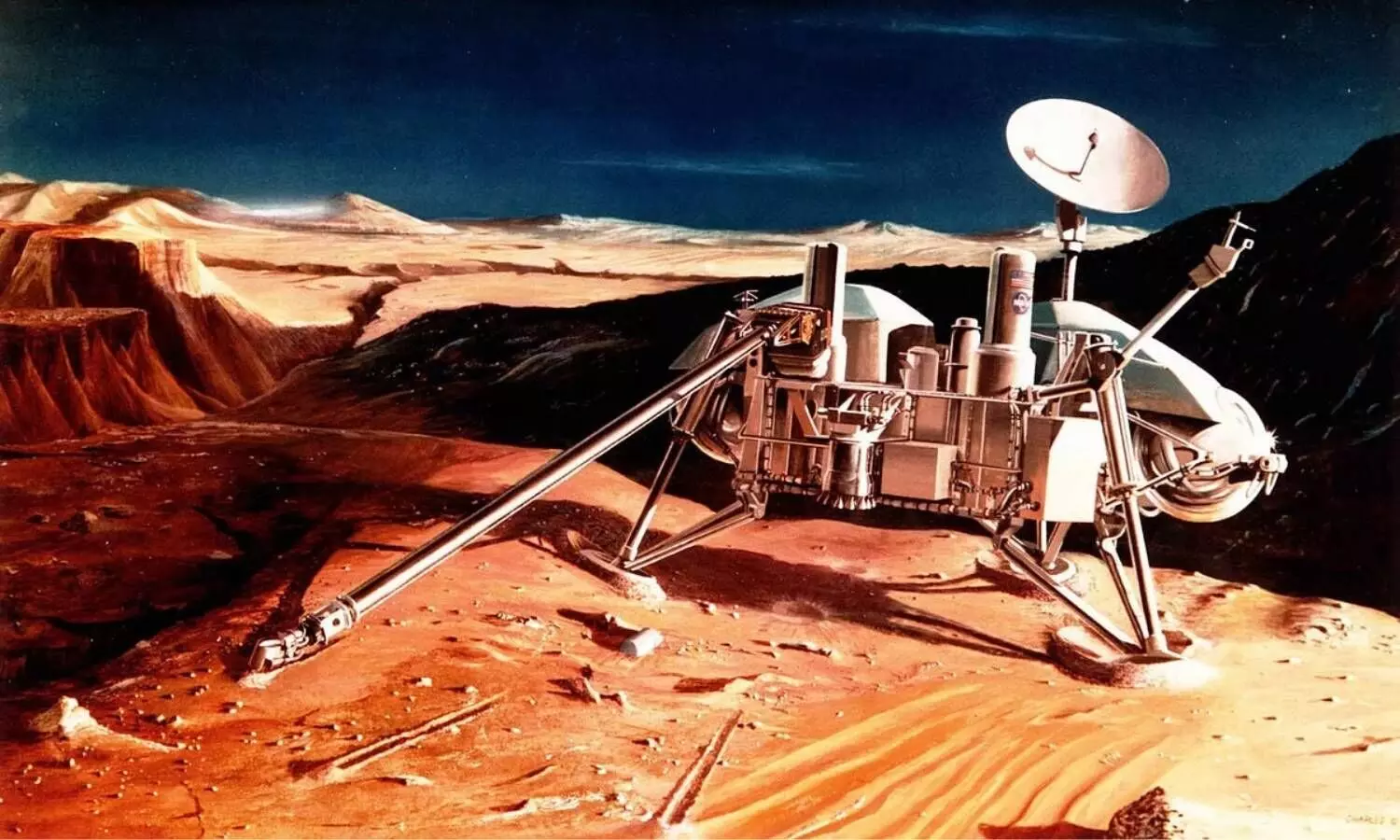
NASA’s Viking Mission Could Have Eradicated Martian Life During Water Experiments

In 1975, NASA’s Viking program made a groundbreaking achievement when its twin landers successfully touched down on Mars, marking the first American spacecraft to reach the Martian surface. These missions were pivotal in the search for life beyond Earth, as the landers conducted a series of experiments aimed at detecting microbial life on the Red Planet. Over six years, the Viking landers analyzed Martian soil samples, attempting to uncover any signs of life. However, a new and controversial theory suggests that the very experiments designed to detect life may have inadvertently destroyed any potential Martian microbes.

Dirk Schulze-Makuch, an astrobiologist from Technische Universität Berlin, has raised concerns about the methods used during the Viking missions. In a recent commentary in Nature Astronomy, he proposed that the addition of liquid water to Martian soil samples may have been too disruptive for any microbes that might have existed. Mars is known for its extreme dryness, more arid than Earth’s Atacama Desert, and it is hypothesized that any potential life forms on the planet would be specially adapted to extract moisture from salts in the atmosphere. Introducing liquid water, Schulze-Makuch suggests, could have overwhelmed these microbes, leading to their destruction rather than detection.

The Viking program’s assumption that Martian life would require liquid water, similar to life on Earth, may have been a key flaw in its approach. The experiments involved adding water and nutrients to Martian soil and monitoring any metabolic reactions, hoping to find evidence of living organisms. While some initial signs of microbial activity were detected, these results were later dismissed as inconclusive. Schulze-Makuch argues that these reactions could have been evidence of life forms adapted to Mars’ extremely dry environment, but the addition of liquid water may have killed them before they could be properly studied.

To avoid repeating this mistake in future missions, Schulze-Makuch advocates for a different approach to life detection on Mars. Instead of focusing on the presence of liquid water, he proposes a “follow the salts” strategy. This would involve searching for organisms that might thrive in environments where moisture is absorbed from salt compounds, potentially offering a more accurate method of detecting life in Mars’ harsh conditions. By rethinking how we search for life, we may be better prepared to recognize the signs of Martian organisms that have adapted to survive in a radically different environment from Earth.