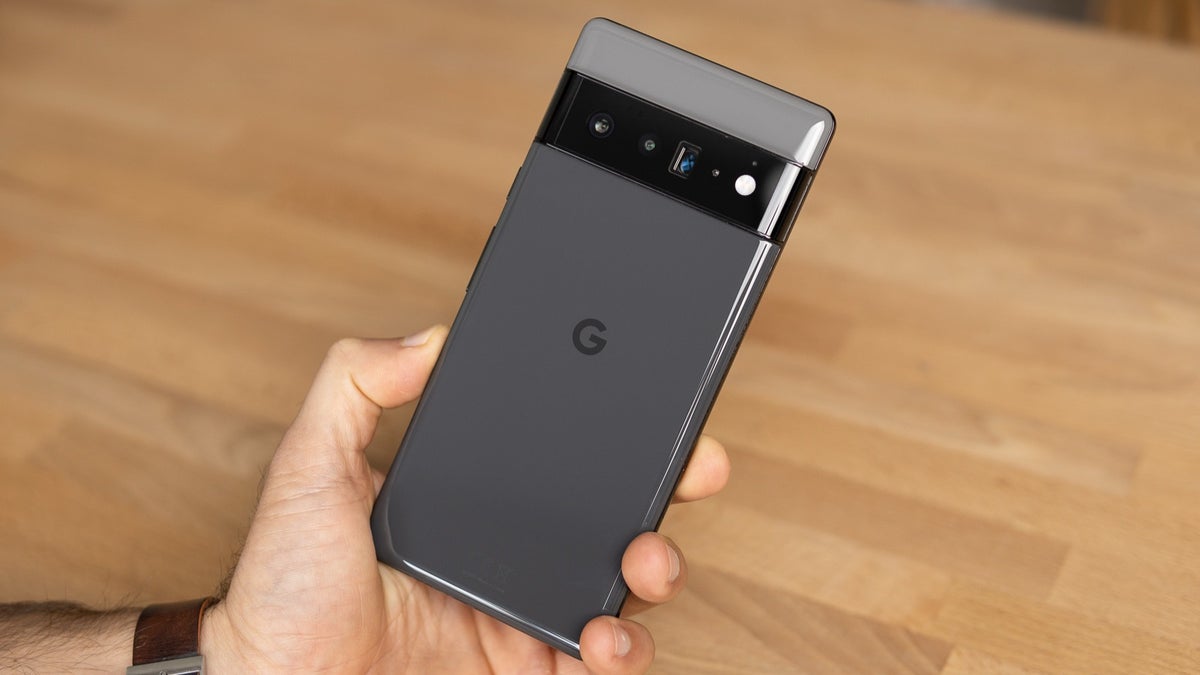
Google Announces 5 Years of OS Updates for Pixel Fold, Pixel 6, and Select Other Models

Google has quietly confirmed an extension of software support for several of its devices, including the Pixel Fold and Pixel 6 series. These models will now receive a total of five years of operating system (OS) and security updates, starting from their initial availability on the Google Store in the US. This marks a significant upgrade from the previous three-year support window. In addition to this extended coverage, newer models like the Pixel 9 series are expected to receive even more comprehensive support, with up to seven years of OS updates.

The change was recently reflected on Google’s software support page, which now details the updated timelines for Pixel devices. The Pixel 6 series, Pixel 7 series, and select other models will benefit from five years of OS and security updates, providing users with longer-lasting support and improved longevity for their smartphones. This extended update period is expected to enhance the user experience, ensuring devices remain secure and up-to-date for a more extended period.

In addition to the OS and security updates, users with these devices may also gain access to new features and enhancements introduced through Google’s Pixel Drops. These updates are designed to bring new functionalities to Pixel smartphones, further improving the overall user experience with each release. With this extended commitment, Google is positioning itself as a leader in software support, competing with other major smartphone manufacturers.

This move to extend the update cycle underscores Google’s growing focus on customer satisfaction and product longevity. By offering longer-term software support, the company ensures that its devices stay relevant and functional for a more extended period, reducing the need for frequent replacements and encouraging users to keep their phones for longer.
OnePlus Watch 3 Appears on US FCC Website, Expected to Feature Larger Battery

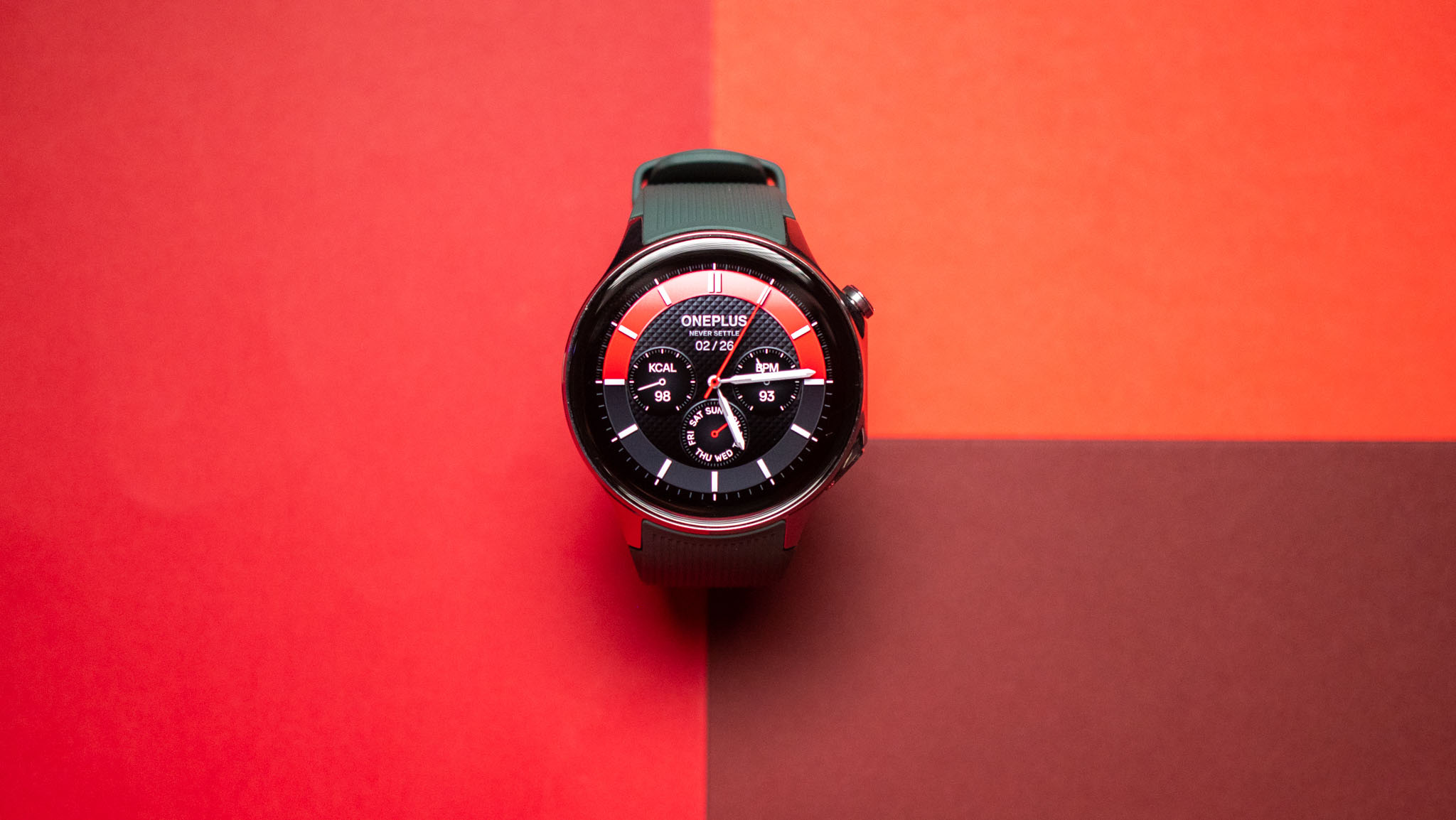
The OnePlus Watch 3 is anticipated to be the successor to the OnePlus Watch 2, which was launched at MWC 2024. According to reports, the Watch 3 could be unveiled in January 2025 alongside the OnePlus 13 and OnePlus 13R smartphones in global markets, including India. While the smartwatch has yet to be officially confirmed by OnePlus, recent certifications have provided clues about its potential features. These listings offer insights into its dimensions, battery size, and connectivity options, fueling speculation about what the upcoming device may bring.

A recent report from 91Mobiles Indonesia revealed that the OnePlus Watch 3, identified by the model number “OPWWE251,” has been spotted on the US Federal Communications Commission (FCC) website. This discovery points to the likelihood of this being the next iteration in OnePlus’s smartwatch lineup, following the OnePlus Watch 2. Although the listing does not confirm all details, it adds weight to the growing anticipation surrounding the device.

According to the FCC listing, the OnePlus Watch 3 is expected to measure 46.6 x 47.6 x 11.75mm, which would make it slightly smaller than its predecessor, the OnePlus Watch 2. For comparison, the Watch 2 measures 47 x 46.6 x 12.1mm and weighs 49 grams. This slight reduction in size could indicate a more compact design, although the overall look and feel are expected to remain similar to the earlier model.

In addition to the size, the OnePlus Watch 3 is likely to feature a larger battery compared to the Watch 2, improving its overall battery life. The enhanced battery capacity could be crucial for users who rely on their smartwatches for extended periods, especially for fitness tracking and daily notifications. As OnePlus prepares for the potential release of this device, further details about its functionality and features are expected to surface in the coming months.

Uber Debuts Its First Robotaxi Service Outside the US in Abu Dhabi

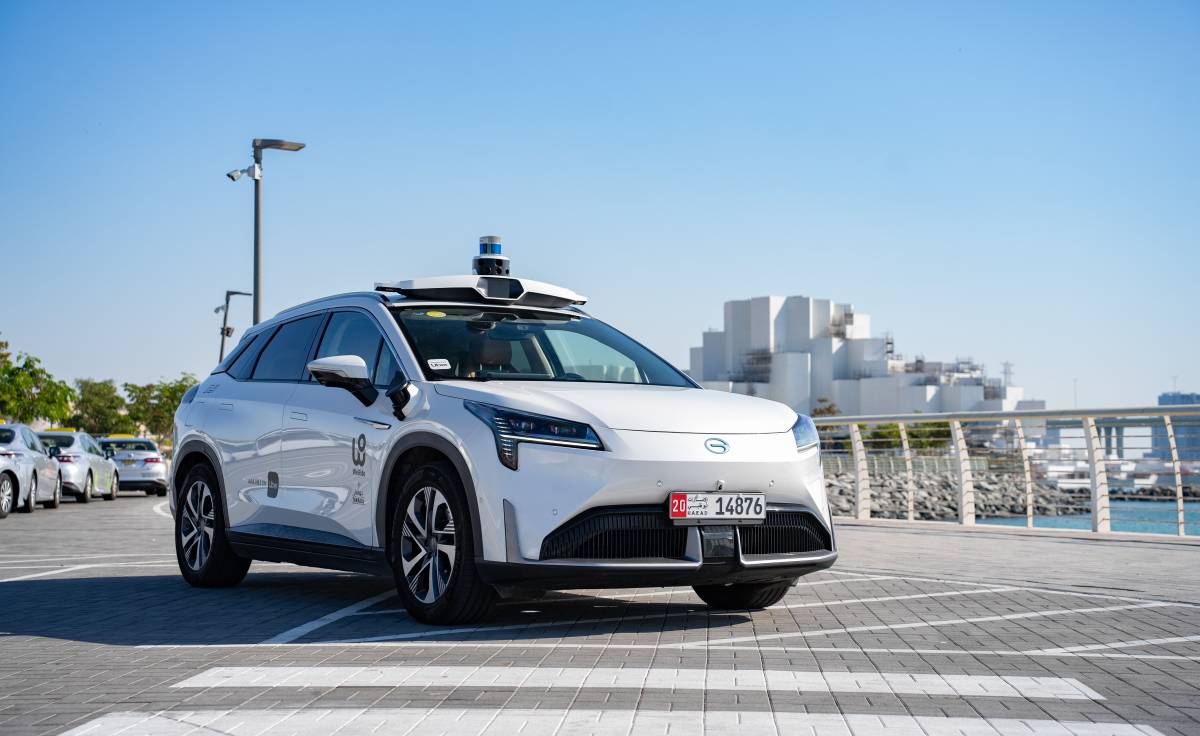
Uber Technologies has officially launched its first autonomous taxi service outside the United States, marking a significant milestone in its global expansion. The new service, which operates in Abu Dhabi, is a result of a partnership with WeRide, a Chinese autonomous vehicle company. Riders in the United Arab Emirates capital can now book self-driving vehicles at UberX or Uber Comfort rates, with service available in popular tourist areas such as Saadiyat Island, Yas Island, and routes to Zayed International Airport. The company has plans to extend the service area as demand grows.

Initially, safety operators will be present in the autonomous vehicles during the launch phase to ensure a smooth transition. However, Uber has set its sights on fully driverless rides by 2025, signaling its ambition to lead in the autonomous vehicle sector. This move is part of Uber’s broader strategy to dominate the emerging market of robotaxis, but without having to develop its own self-driving technology. Instead, the company has formed multiple strategic partnerships, including collaborations with Alphabet’s Waymo and investments in autonomous startups like WeRide.

Uber’s entry into the robotaxi market aligns with its ongoing efforts to stay ahead of the competition, particularly from other autonomous ride providers. While the company remains focused on partnerships, it faces growing competition from Waymo, which not only collaborates with Uber in some U.S. cities but also offers its own fully driverless rides through its consumer app in cities like San Francisco. With the autonomous vehicle market heating up, Uber’s success will depend on how quickly it can scale up its robotaxi operations and meet rising demand for driverless rides.

Despite Uber’s strategic moves, investors remain cautious about the company’s long-term prospects, especially as its business model is still heavily reliant on a large pool of human drivers. As autonomous vehicles continue to evolve, the company will need to balance the transition from human-driven to fully autonomous services while navigating the complexities of consumer adoption and regulatory hurdles.