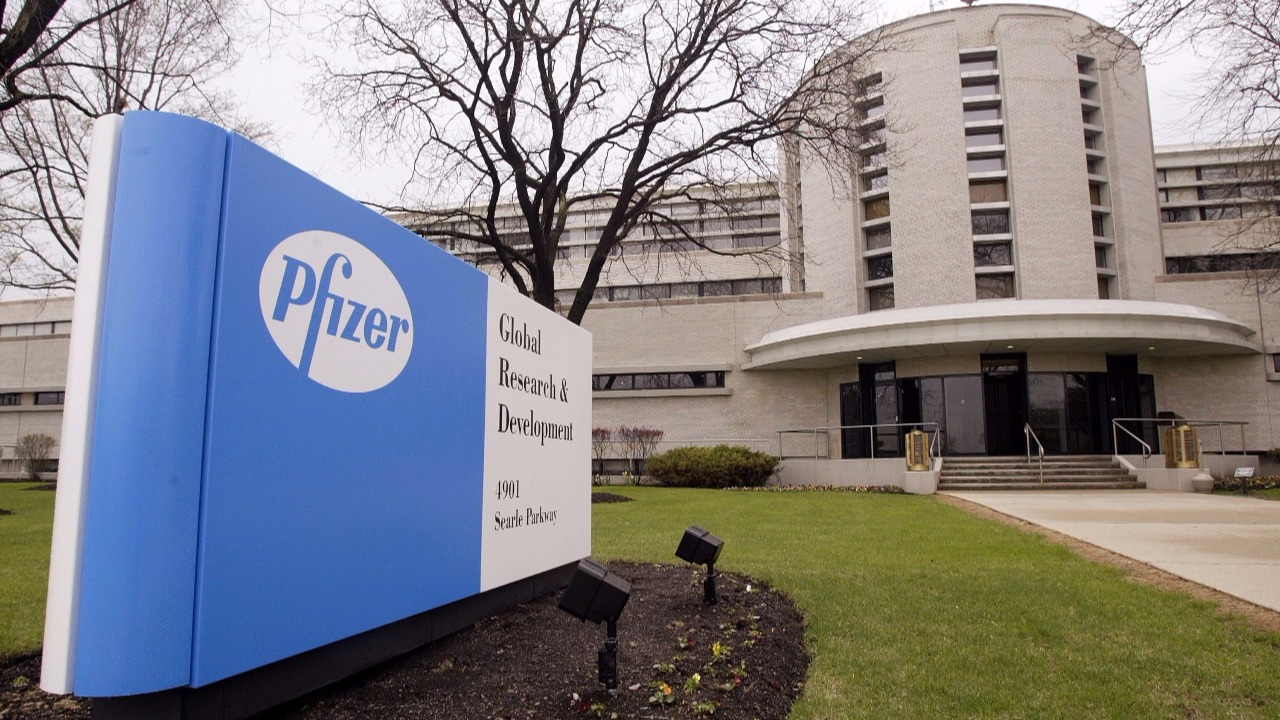
Pfizer Sees Stable Vaccine Policy Under Trump Despite RFK Jr. Appointment

Pfizer does not anticipate major changes to U.S. vaccine policies under the Trump administration in 2025, even though President-elect Donald Trump has nominated Robert F. Kennedy Jr., a vaccine skeptic, to head the Department of Health and Human Services (HHS).

Speaking at an investor conference, Pfizer CEO Albert Bourla confirmed he had met with both Trump and RFK Jr. over dinner and described their relationship as positive. “If he’s confirmed, we will work with him to advance the right policies,” Bourla said.

Kennedy has long been criticized for questioning the safety and efficacy of vaccines, which have been instrumental in combating disease worldwide. While he rejects the “anti-vaccine” label, Kennedy has indicated that he would not block access to vaccines. Trump, meanwhile, has suggested that he may end certain childhood vaccination programs if concerns about safety arise.

Bourla highlighted Trump’s commitment to reforming the role of pharmacy benefit managers (PBMs), middlemen in the U.S. healthcare system who negotiate drug prices. Trump announced plans to eliminate PBMs, which Bourla argued could significantly lower patient out-of-pocket costs for medications.

Vaccine Market Outlook

Pfizer, which produces vaccines for COVID-19, pneumococcal disease, and RSV (respiratory syncytial virus), has faced market pressure since Trump’s announcement of Kennedy as his HHS nominee. However, Bourla reassured investors that Pfizer expects 2025 sales for its COVID-19 vaccine and treatment to remain consistent with 2024 levels.

Financial Performance and Turnaround Strategy

Pfizer’s financial outlook provided some relief to investors amid ongoing concerns over its future performance. The company forecasts 2025 adjusted profit between $2.80 and $3.00 per share, in line with analysts’ average estimate of $2.88. It also projects revenue between $61 billion and $64 billion, slightly below Wall Street’s consensus of $63.26 billion.

Shares rose 3.7% to $26.20 following the forecast, though Pfizer’s stock has dropped nearly 12% this year and remains well below its pandemic-era peak. The pharmaceutical giant has faced investor criticism, most notably from hedge fund Starboard Value, over its acquisition strategy and the lack of profitable drugs resulting from recent deals and internal research efforts.

In response, Bourla defended Pfizer’s strategy, which includes aggressive cost-cutting measures and the sale of non-core businesses to reduce debt. The company is under increasing pressure to introduce new blockbuster drugs to offset revenue declines from top sellers set to lose patent protection.

Conclusion

Despite concerns surrounding Trump’s choice of RFK Jr. for HHS and broader investor criticism, Pfizer remains cautiously optimistic about vaccine policies and its financial performance in 2025. The company continues to focus on cost efficiency, innovation, and policy collaboration to stabilize its outlook in a challenging post-pandemic environment.

 

Italy’s Growth Bubble Bursts, Revealing Fragile Economic Outlook

Italy’s post-pandemic economic recovery is faltering more rapidly than expected, with structural weaknesses re-emerging, raising concerns about the future of the country’s fragile public finances. After a surprising stagnation in GDP growth in the third quarter, Italy’s national statistics bureau, ISTAT, has revised its 2024 growth forecast down to just 0.5%, half of the government’s target of 1%. This projection marks a return to Italy’s position as one of the euro zone’s weakest performers, contradicting the optimistic outlook previously shared by Prime Minister Giorgia Meloni and some economists.

Structural Weaknesses Surface

Recent economic indicators have painted a bleak picture. Business confidence has dropped to its lowest point since 2021, while Italy’s long-standing manufacturing crisis deepens. Even the services sector, which had been a driving force behind the economy for much of the year, is now contracting. According to Francesco Saraceno, economics professor at Science Po and LUISS University, Italy’s reliance on small firms, insufficient public investment, and resistance to the green transition are impeding the country’s growth potential. Saraceno added that the country’s outdated business model is no longer conducive to economic expansion.

Lackluster Recovery Despite EU Funds

Italy continues to receive substantial funding through the European Union’s post-COVID Recovery Fund, yet its economic performance lags significantly behind other fund recipients, such as Spain, which is growing at a rate four times higher than Italy. While Italy’s economic resilience in 2021-2022 was largely driven by state-funded incentives, including the costly “superbonus” for the building sector, this temporary boost has now evaporated as the scheme is phased out.

Despite receiving EU funds, Italy’s economic stagnation threatens its public finances, which are already burdened by the debt accumulated from the superbonus. The government projects that public debt will rise to around 138% of GDP by 2026, up from 135% in 2023. If growth continues to underperform, as most forecasters predict, this debt ratio will likely climb even faster. This could make investors more hesitant to purchase Italian bonds, driving up Italy’s debt-servicing costs.

Comparison to Spain’s Robust Growth

In stark contrast to Italy’s struggles, Spain’s GDP is expected to grow around 3% this year. Over the past year, Spain’s economy has expanded at quarterly rates between 0.7% and 0.9%, while Italy has struggled with growth rates of just 0.3% to 0.0%. Angel Talavera, head of European research at Oxford Economics, attributed Spain’s success to its ability to attract and integrate migrants into the workforce, along with a strong tourism sector and robust consumer spending.

Italy, on the other hand, has struggled with fewer migrants, many of whom are confined to the informal economy, and has seen a significant outflow of young talent seeking better opportunities abroad. This demographic decline is a key factor in the country’s economic fragility.

Talavera noted that while Spain has modernized its infrastructure and public services over the last two decades, Italy’s economy remains hampered by its large but increasingly uncompetitive manufacturing sector, which limits expansion.

The Need for Structural Reform

Economists agree that Italy’s sluggish economy is the result of long-standing issues, including under-investment in education, infrastructure, and public services, as well as a burdensome bureaucracy, risk-averse banking sector, and an inefficient justice system. There is a growing consensus among experts on what should be Italy’s top policy priority to improve the situation: investment in education and research.

Roberto Perotti, Lorenzo Bini Smaghi, and Francesco Saraceno are among those who argue that reforming the education system is vital for Italy’s future growth. Meanwhile, Lorenzo Codogno, former chief economist at the Italian Treasury, has called for labor market liberalization to stimulate economic dynamism.

Conclusion

Italy’s fragile economic outlook calls for urgent reforms to address deep-rooted inefficiencies and structural challenges. While the EU’s financial support provides some cushion, without targeted investment in key sectors such as education and research, the country risks falling further behind its European counterparts. As economic growth remains sluggish and public finances weaken, Italy must take bold steps to avoid a prolonged period of stagnation.


China, Trump Signal Cautious Optimism for Renewed US-China Cooperation Amid Tough Rhetoric

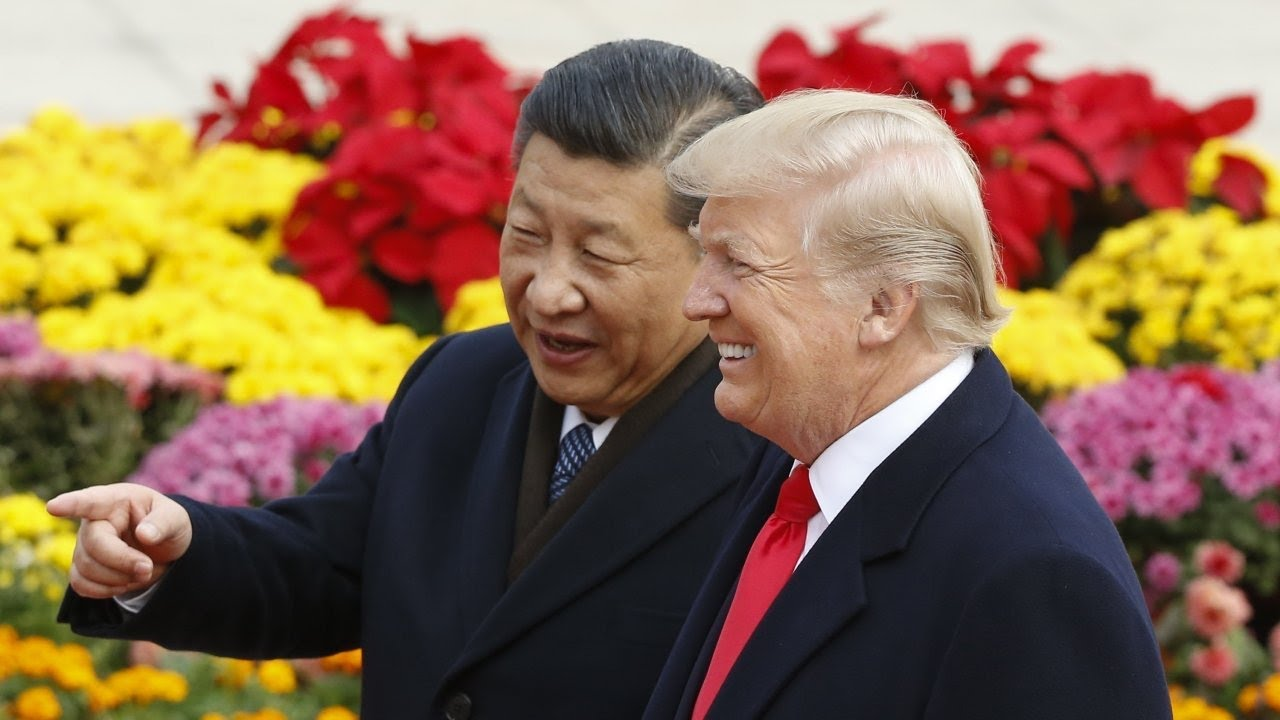
China’s top diplomat, Foreign Minister Wang Yi, expressed hope on Tuesday that the incoming Trump administration would collaborate with Beijing “in a mutually beneficial manner” despite ongoing tensions. Wang’s comments came hours after Donald Trump remarked that the COVID-19 pandemic had strained his relationship with Chinese President Xi Jinping, whom he once considered a “friend.”

“We hope the new U.S. administration will make the right choice and work with China to remove disruptions and overcome obstacles,” Wang stated during a forum in Beijing, according to his ministry’s statement.

Trump, addressing reporters at his Mar-a-Lago resort, reflected on his past relations with Xi, acknowledging the pandemic as a breaking point. “We had a very good relationship until COVID,” Trump said. “COVID didn’t end the relationship, but it was a bridge too far for me.” Trump avoided confirming whether Xi would attend his inauguration but emphasized the importance of U.S.-China ties: “China and the United States can together solve all of the problems of the world.”

Trump’s Second Term Agenda and Beijing’s Strategy

Trump has signaled a more confrontational stance toward China as he prepares for his second term. His campaign promises include imposing a 10% tariff on Chinese goods and additional levies exceeding 60% to pressure China on issues like stopping fentanyl exports to the U.S. Trump has also pledged to revoke China’s most-favored-nation trade status—a move that could reshape bilateral trade dynamics.

In response, analysts suggest China is preparing to amass bargaining chips to engage with Trump’s administration on contentious issues such as trade, technology, and investment. Beijing has shown readiness to push back, with Wang Yi emphasizing China’s firm stance: “We firmly oppose the illegal and unreasonable suppression of China by the U.S., particularly on matters like Taiwan.”

Sanctions and Hard-Line Appointments

The diplomatic environment remains volatile as Trump’s choice of China hawks for key positions signals an aggressive approach. Republican Senator Marco Rubio, Trump’s nominee for Secretary of State, remains under Chinese sanctions imposed in 2020. Rubio’s prior criticism of Beijing raises questions about how his role would affect bilateral engagement.

China’s move to quietly remove a January 2021 statement sanctioning 28 Trump administration officials from its foreign ministry website has further fueled speculation. When asked about this development, Chinese Foreign Ministry spokesperson Lin Jian declined to comment, stating he had “no information to offer.”

Mutual Posturing, Cautious Optimism

Despite the confrontational rhetoric, both sides have hinted at opportunities for collaboration. Trump’s remarks acknowledged the global importance of U.S.-China cooperation, while China continues to position itself for negotiations that balance engagement with resistance to U.S. policies it deems provocative.

As Trump prepares for a second term, Beijing appears both prepared to push back against hard-line policies and cautiously optimistic about finding common ground to stabilize bilateral relations.