
Samsung One UI 7 Beta Launches with Galaxy AI Features: Details on Availability, Eligible Devices, and Key Features

Samsung has officially launched the One UI 7 beta rollout, just one month after its initial reveal at the Samsung Developer Conference (SDC) 2024 in San Jose, California. This new update brings Android 15 to Galaxy devices, introducing a range of exciting features aimed at enhancing both the visual appeal and functionality of Samsung smartphones. One of the most significant upgrades is the introduction of a revamped notification system called the Now Bar, alongside redesigned One UI widgets that offer greater customization options. The update also brings an improved camera app interface and significant expansions to the Galaxy AI suite, enhancing the user experience with smarter, more intuitive features.

The One UI 7 beta is initially available for the Galaxy S24 series in select regions, including Germany, India, Korea, Poland, the UK, and the US. Samsung users in these countries can participate by signing up through the Samsung Members app. It’s important to note that while the core features of One UI 7 are the same, the specific functionalities and enhancements may vary depending on the region, giving a localized touch to the update.

For those interested in joining the beta programme, Samsung has made it easy to get started, but it’s essential to keep in mind that the rollout will continue gradually. As always with beta versions, the company advises caution, as the features may still be subject to refinement before the final stable release. Samsung users in other countries may need to wait a bit longer for the update to become available in their region.

The One UI 7 beta update supports a wide range of languages, catering to users from different parts of the world. A total of 29 languages, including popular ones such as Arabic, Chinese, English, French, Spanish, German, and Hindi, are supported. Additionally, the update includes local dialects, offering an inclusive experience for Galaxy users across the globe. This level of linguistic diversity ensures that the One UI 7 update can be experienced by a vast audience, making it accessible and user-friendly for a wide range of Samsung device owners.
Study Suggests Venus May Have Never Had Oceans, Disputing Previous Theories

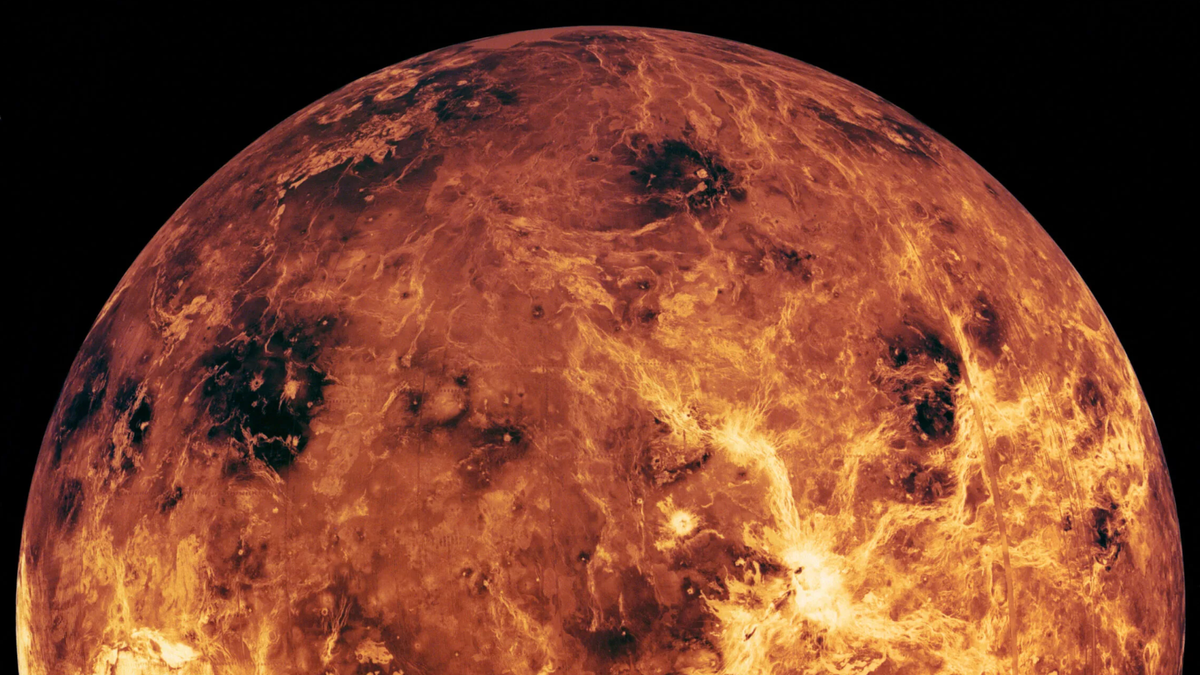
A recent study published in Nature Astronomy has upended previous theories about Venus, suggesting that the planet may have never had oceans or conditions suitable for life. The research, led by Tereza Constantinou, a doctoral researcher at the University of Cambridge’s Institute of Astronomy, delved into the composition of Venus’s atmosphere to infer its interior water content. The results paint a picture of a planet that remained dry throughout its history, challenging earlier beliefs that Venus might have once had liquid water on its surface.

One of the key findings of the study centers around the planet’s atmospheric chemistry, particularly the amount of water vapor released during volcanic activity. On Earth, volcanic eruptions are typically associated with significant amounts of water vapor, indicating a water-rich mantle. However, on Venus, volcanic eruptions emit a mere 6 percent water vapor, a stark contrast to the more than 60 percent found on Earth. This substantial difference suggests that Venus’s interior is remarkably dry, which raises doubts about the possibility of liquid water ever existing on its surface.

The research also highlights that, unlike Earth, Venus’s volcanic eruptions do not release significant amounts of water vapor. According to Constantinou, this implies that the planet’s interior—the source of volcanic activity—is similarly dry. This lack of water vapor further supports the hypothesis that Venus has always been devoid of the liquid water necessary to form oceans, oceans that might have otherwise provided the conditions required for life.

These findings challenge past theories that Venus may have had oceans in its early history, potentially making it more Earth-like and habitable. However, the new research suggests that even if Venus once had a more temperate climate, its dry interior likely made it impossible for liquid water to accumulate or persist. As our understanding of Venus continues to evolve, this study raises important questions about the planet’s geological and atmospheric history, offering a fresh perspective on the enigmatic world

Arctic Ocean Could See Ice-Free Day by 2027, Study Predicts

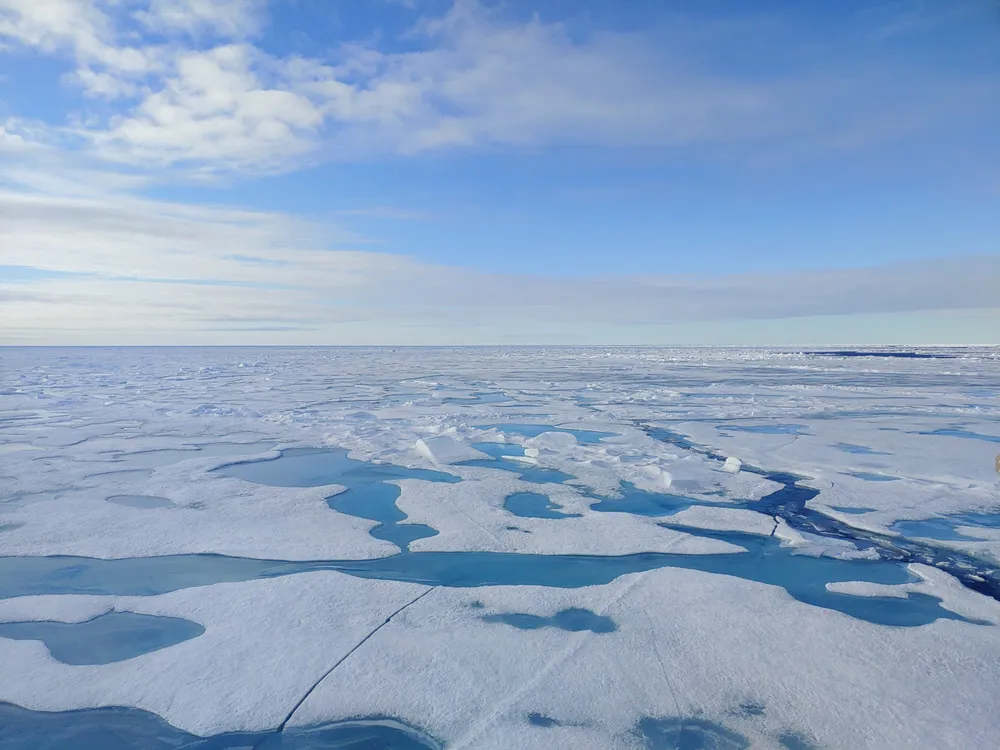
A recent study published in Nature Communications has raised alarms about the potential for the Arctic Ocean to experience its first ice-free day as soon as 2027. Researchers involved in the study warn that this environmental milestone is likely to occur within the next two decades if significant steps are not taken to reduce greenhouse gas emissions. Through advanced simulations, climatologists have mapped out timelines for this drastic change, underscoring the accelerating pace of climate change in the Arctic region. The study’s findings suggest that the region is warming at an unprecedented rate, which could have widespread consequences for both the environment and global climate systems.

The research, which utilized data from 11 climate models and 366 simulations, revealed that even if emissions are reduced, the Arctic is projected to experience an ice-free day within the 2030s. In the worst-case scenarios, the ice-free event could happen as soon as 2027, signaling an alarming trend. Dr. Céline Heuzé, a lead researcher from the University of Gothenburg, highlighted the importance of understanding what is driving such rapid ice melt. This understanding, she noted, is critical for addressing the broader effects of climate change, which are becoming more evident in the Arctic as well as in other parts of the world.

The loss of Arctic sea ice is not just an isolated environmental concern; it plays a vital role in global temperature regulation and the functioning of marine ecosystems. Sea ice acts as a reflective barrier, helping to maintain the Earth’s energy balance by reflecting sunlight. When this ice melts, darker ocean waters are exposed, absorbing more heat and accelerating global warming through the albedo effect. This vicious cycle not only exacerbates temperature increases in the Arctic but also has the potential to influence weather patterns and sea levels around the world.

Experts agree that the situation requires immediate action to prevent further degradation of the Arctic and mitigate the impacts of climate change. The Arctic is warming at four times the rate of the global average, primarily due to human-induced greenhouse gas emissions. To avert an ice-free Arctic in the near future, climatologists stress the need for drastic reductions in emissions and stronger international policies aimed at preserving vulnerable ecosystems. The melting of Arctic ice is a stark reminder of the broader environmental challenges humanity faces and the urgent need for collective action to protect the planet’s climate.