


India’s Bharti Airtel has solidified its position in the fast-evolving telecommunications landscape by signing a “multi-billion” dollar agreement with Ericsson, a leading Swedish telecom equipment manufacturer. This significant deal aims to enhance Bharti Airtel’s 4G and 5G network infrastructure across India, the world’s second-largest smartphone market. The partnership underscores Airtel’s commitment to expanding its service capabilities to meet the ever-growing demands of a tech-savvy population and support the surge in data consumption driven by new technologies and applications.
The strategic agreement, set to materialize by 2025, will see Ericsson supplying and deploying state-of-the-art telecom equipment for Bharti Airtel. Although the financial specifics remain undisclosed, the magnitude of the investment highlights the scale at which Airtel plans to expand its network. The deal was initially reported by Reuters in October, signaling a significant step in India’s telecom sector as providers race to establish widespread 5G services. For Airtel, this partnership strengthens a long-standing relationship with Ericsson that spans over two decades, positioning both companies as key players in the rollout of next-generation communication technologies.
A notable aspect of this deal is Ericsson’s deployment of advanced centralized Radio Access Network (RAN) and Open RAN-ready solutions. Open RAN, a relatively new concept in the telecom industry, allows operators like Bharti Airtel to integrate equipment from various manufacturers seamlessly. This approach fosters innovation, improves network flexibility, and can reduce overall costs, offering a competitive edge in maintaining a dynamic and efficient telecom infrastructure. With India’s demand for high-speed connectivity accelerating, these solutions will be instrumental in scaling up operations quickly and effectively.
Additionally, Ericsson plans to upgrade the software of its existing 4G radio deployments to enhance performance and ensure a smoother transition to 5G services. This move will not only improve current 4G service quality but also streamline the integration of advanced 5G capabilities. By leveraging cutting-edge software and hardware solutions from Ericsson, Bharti Airtel aims to meet the increasing data demands of its user base and fortify its market position amidst intense competition from major telecom operators like Jio. This collaboration marks a significant milestone in India’s digital transformation, paving the way for future innovations and widespread connectivity.
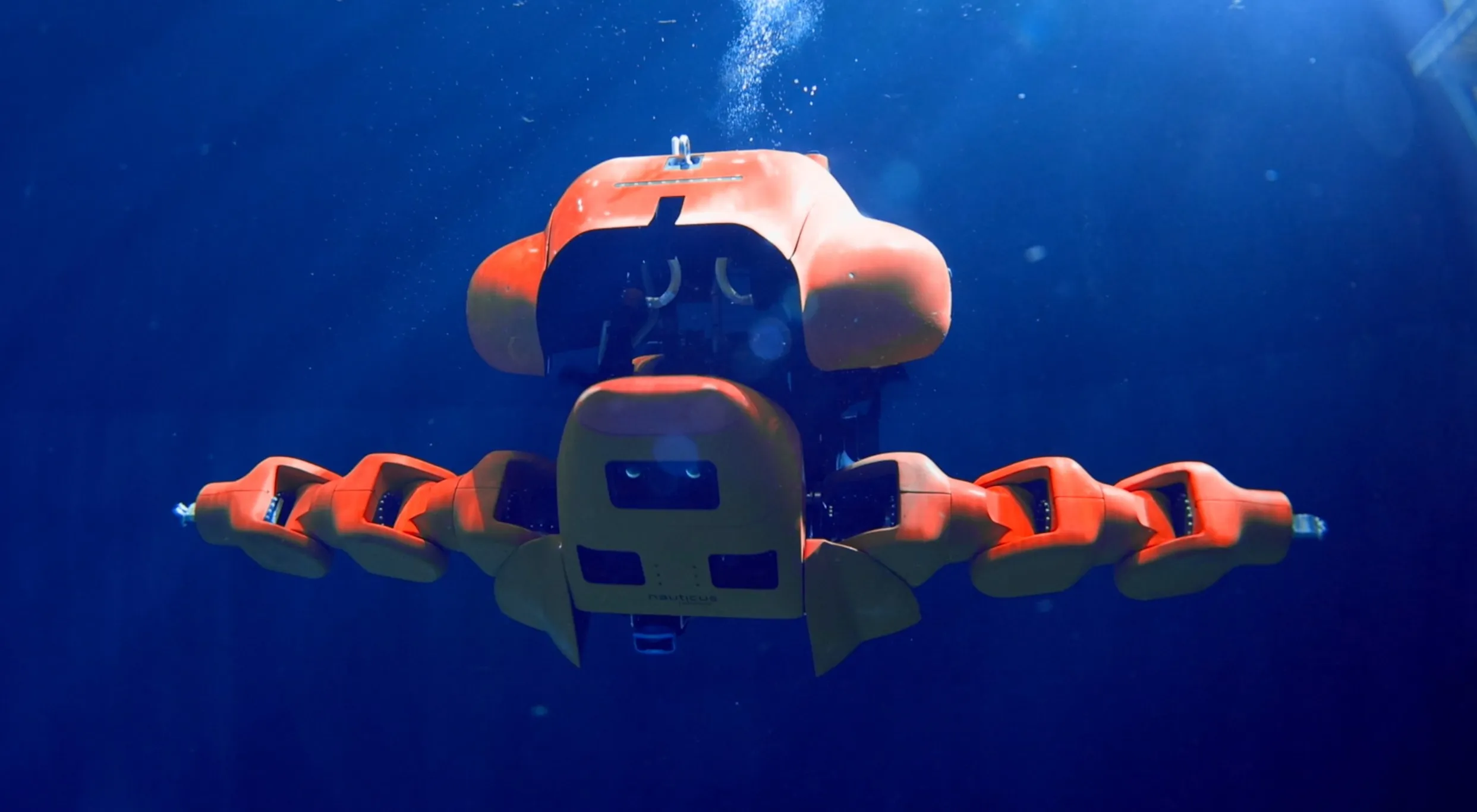
NASA is making significant strides in developing autonomous spacecraft technologies aimed at exploring “ocean worlds,” such as Europa and Enceladus, which are among the most promising locations for discovering extraterrestrial life. These celestial bodies, characterized by subsurface oceans beneath icy crusts, present unique challenges for robotic exploration. To tackle these hurdles, NASA has introduced advanced testing platforms, including the Ocean Worlds Lander Autonomy Testbed (OWLAT) and the Ocean Worlds Autonomy Testbed for Exploration, Research, and Simulation (OceanWATERS). These initiatives are pivotal in preparing spacecraft for missions to these distant and inhospitable environments.
OWLAT, developed by NASA’s Jet Propulsion Laboratory (JPL), provides a physical testbed for simulating lander operations in conditions similar to those on Europa. It includes a robotic arm equipped with specialized tools for sampling and analyzing icy surfaces. The testbed also features a Stewart platform, which mimics the low-gravity dynamics of ocean worlds. This setup allows researchers to evaluate how robotic systems will interact with rough, uneven terrain while ensuring they can operate safely and effectively under extreme conditions.
On the other hand, OceanWATERS, created at NASA’s Ames Research Center, offers a complementary virtual testing environment. This software-based platform replicates Europa’s icy landscape and subsurface ocean conditions, enabling mission teams to design and refine autonomous operations without the need for physical prototypes. By simulating long communication delays and limited energy resources, OceanWATERS prepares robotic systems to perform critical tasks such as drilling, sampling, and transmitting data back to Earth with minimal human intervention.
Together, OWLAT and OceanWATERS represent a comprehensive approach to overcoming the obstacles associated with exploring ocean worlds. These technologies focus on enhancing spacecraft autonomy, a critical requirement for missions operating billions of miles away from Earth. By advancing these systems, NASA aims to pave the way for groundbreaking discoveries that could reveal whether life exists beyond our planet, making these efforts a cornerstone of future extraterrestrial exploration.