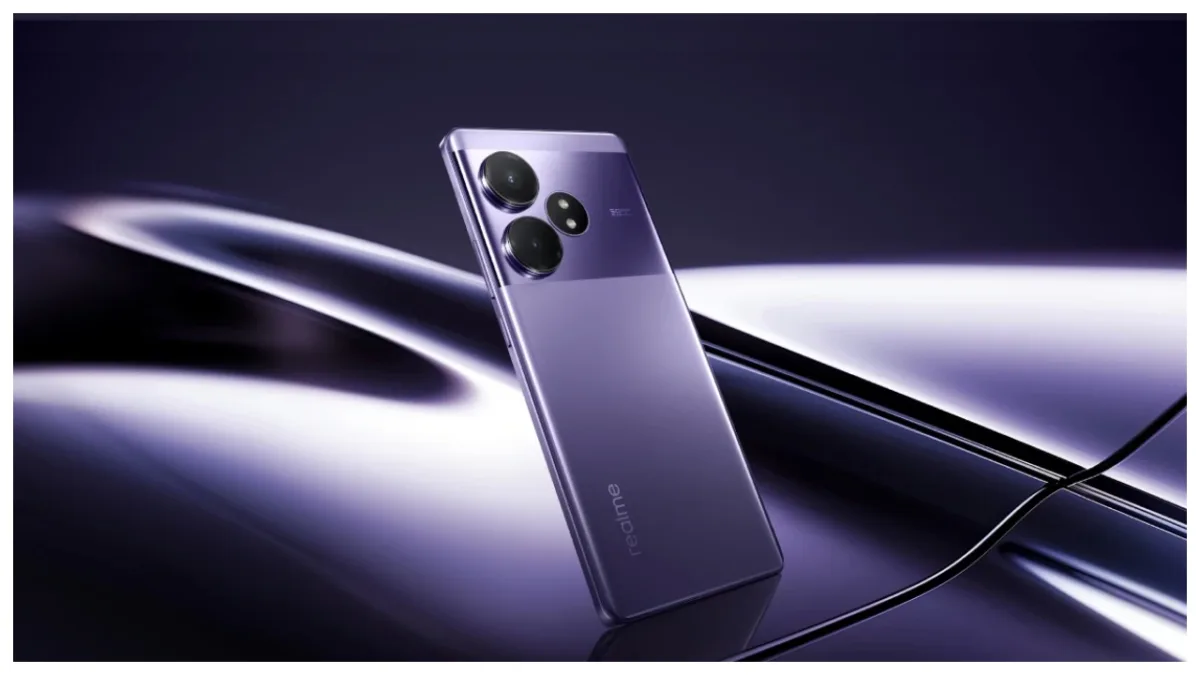
Realme Neo 7 Debuts With Massive 7,000mAh Battery and Dimensity 9300+ SoC: Details and Pricing

Realme Neo 7 Launches in China: A Power-Packed Successor

Realme has officially unveiled the Realme Neo 7 in China, marking the latest addition to its popular Neo series. Powered by the MediaTek Dimensity 9300+ chipset, the device features a dual rear camera setup with a 50-megapixel primary sensor. While succeeding the Realme GT Neo 6, the new model drops the GT branding. One of its standout features is the massive 7,000mAh battery, paired with 80W fast charging support. Designed for durability, the Realme Neo 7 boasts IP68 and IP69 ratings for water and dust resistance, offering robust protection. It is available in three eye-catching colors: Meteorite Black, Starship, and Submersible.

Pricing and Variants

The Realme Neo 7 comes in multiple configurations to suit a variety of user needs. The base variant with 12GB RAM and 256GB storage is priced at CNY 2,099 (approximately Rs. 24,000). For those needing more storage, the 12GB + 512GB variant costs CNY 2,499 (around Rs. 29,000), while the 16GB + 512GB and 16GB + 1TB models are priced at CNY 2,799 (roughly Rs. 32,000) and CNY 3,299 (around Rs. 38,000), respectively. Additionally, a 16GB + 256GB version is available for CNY 2,299 (about Rs. 26,000). These competitive prices aim to make the Realme Neo 7 a strong contender in the mid-range smartphone market.

Top-Notch Display and Performance

The Realme Neo 7 offers a flagship-level display and performance package. It features a 6.78-inch 1.5K (1,264 x 2,780 pixels) 8T LTPO screen with a peak brightness of 6,000 nits and a 93.9% screen-to-body ratio. With support for the DCI-P3 color gamut, 2160Hz PWM dimming, and a dynamic refresh rate ranging from 1Hz to 120Hz, the display promises vivid visuals and smooth performance. Under the hood, the octa-core MediaTek Dimensity 9300+ chipset powers the device, complemented by up to 16GB of RAM and a whopping 1TB of storage. Realme also includes support for 12GB of virtual RAM, ensuring seamless multitasking and efficient performance.

A Feature-Packed Mid-Range Smartphone

Running on Realme UI 6.0 based on Android 15, the Realme Neo 7 offers a blend of modern software and powerful hardware. Its impressive battery life, water resistance, and versatile storage options make it a standout choice for consumers seeking a reliable and feature-packed smartphone. As Realme continues to push boundaries with innovative designs and competitive pricing, the Neo 7 reinforces the brand’s commitment to delivering value-packed devices in the highly competitive mid-range segment.
Microsoft Introduces Native Copilot App, Replacing PWA for Windows Insiders

Microsoft Rolls Out Native Copilot App for Windows Insiders

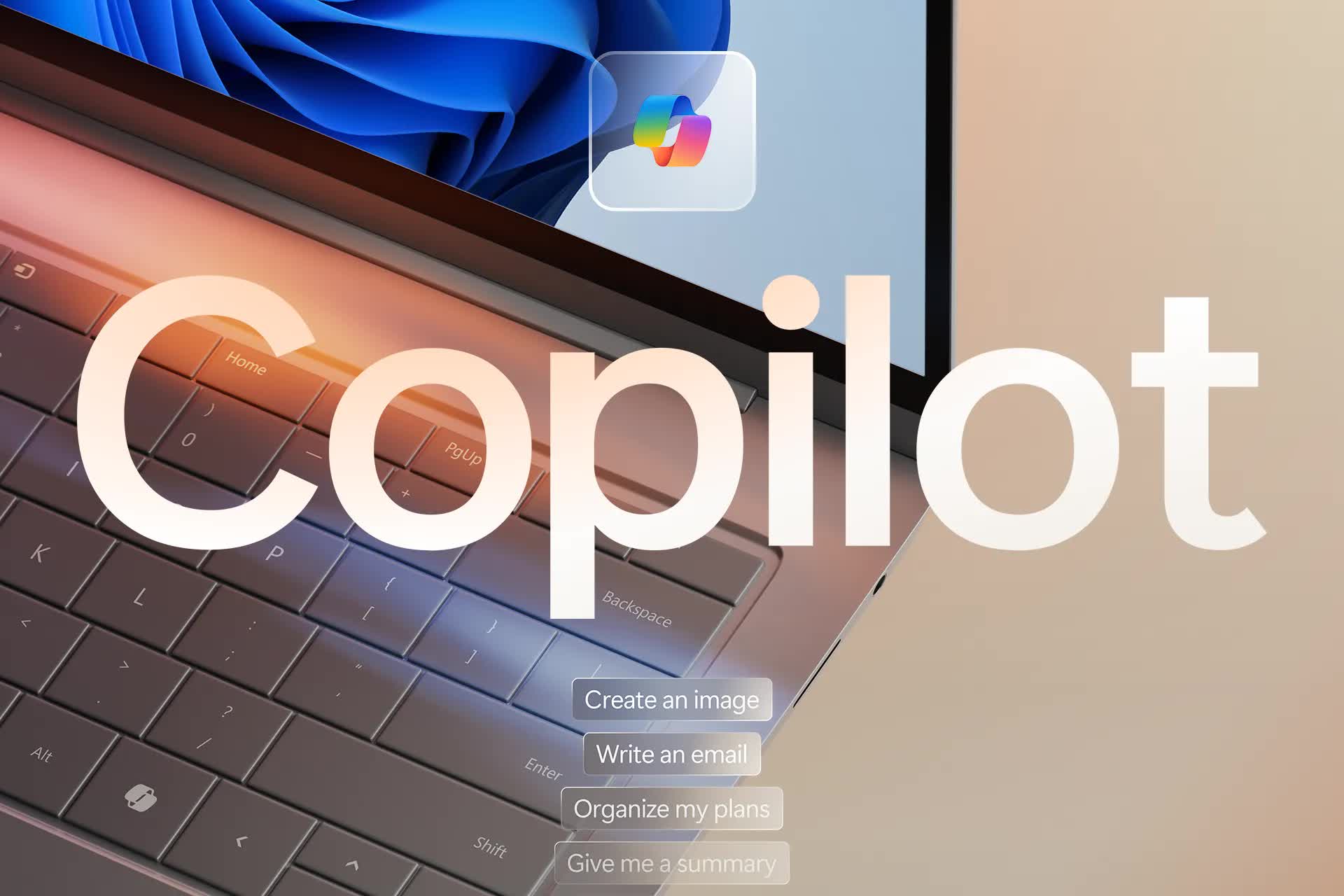
Microsoft has introduced a native Copilot app for Windows, replacing the Progressive Web App (PWA) version previously available to testers in the Windows Insider Program. Announced on Tuesday, this new version integrates more seamlessly with the Windows operating system. The app is being rolled out as an update and will appear in the system tray for eligible users. This development follows Microsoft’s recent unveiling of advanced Copilot features like Copilot Vision and AI-powered Recall, both of which are available in preview.

Enhanced Accessibility With Quick View Functionality

In a blog post, Microsoft detailed the innovative features of the native app. Among the highlights is the quick view functionality, which allows users to access the AI chatbot using keyboard shortcuts. By pressing Alt + Space, Windows 11 users can easily open or close the quick view window. This feature also supports movement and resizing, enhancing usability. If users wish to return to the full Copilot app, they can do so by selecting an icon located at the top-left corner of the quick view interface.

Keyboard Shortcuts and Prioritization

Microsoft has built this shortcut around the RegisterHotKey function, which is widely used across Windows applications. As a result, the behavior of the Alt + Space shortcut depends on which app is launched first or already running in the background. This prioritization ensures flexibility but could create conflicts if multiple applications rely on the same hotkey combination. Microsoft has not yet announced specific guidelines for managing these potential overlaps.

Future Implications and User Experience

The release of the native Copilot app marks another step in Microsoft’s efforts to integrate AI into its ecosystem. The new features aim to streamline how users interact with Copilot, making it more accessible and adaptable to individual workflows. With its placement in the system tray and improvements in navigation, Microsoft seems committed to creating a more intuitive experience for Windows users. As this version evolves, testers’ feedback will likely shape further updates and refinements.

CrowdStrike Seeks to Dismiss Delta Air Lines Lawsuit Over July Cybersecurity Outage

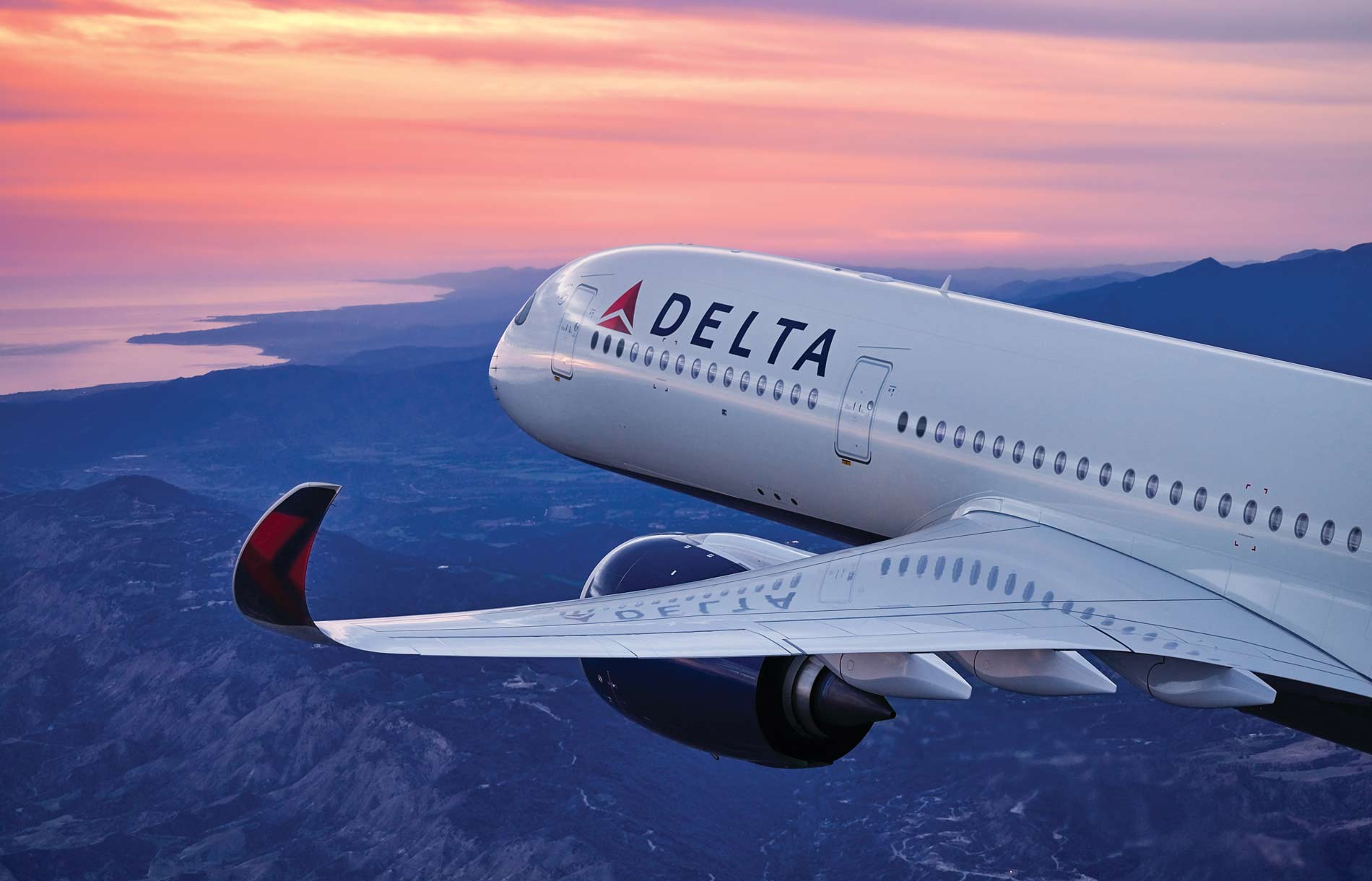
CrowdStrike has moved to dismiss a lawsuit filed by Delta Air Lines related to a July cybersecurity outage that resulted in canceled flights and stranded passengers. The cybersecurity company argues that the suit violates the terms of the contract between the two parties, including a clause that limits CrowdStrike’s liability and caps damages. In its filing, CrowdStrike emphasized that Georgia law prevents Delta from turning a breach of contract claim into tort claims, citing the state’s economic loss rule.

Delta claims that the July incident cost the airline more than $500 million in canceled flights, refunds, and accommodations for affected passengers. The airline is seeking to recover these costs from CrowdStrike, but the full extent of the damage, including reputational harm and the impact of a Department of Transportation investigation, has yet to be quantified. Despite the incident, Delta continues to use CrowdStrike’s cybersecurity services, likely due to the complexity of replacing such a provider in a large organization like Delta.

CrowdStrike contends that it acted swiftly to assist Delta during the outage, but the airline reportedly rejected offers of help. According to CrowdStrike, one message from a Delta executive stated, “We are good for now.” The company also argued that Delta’s internal systems and practices contributed to the scale of the delays and cancellations, with the airline experiencing far more significant disruptions than its industry peers, who recovered more quickly from similar issues.

The cybersecurity company’s stock was heavily impacted by the outage, dropping 44%, but it has since recovered, posting strong results despite lowering its guidance due to the incident. Delta has yet to provide a statement in response to the filing.