Study Reveals Ocean Density Impacts Plankton’s Carbon Sequestration Ability

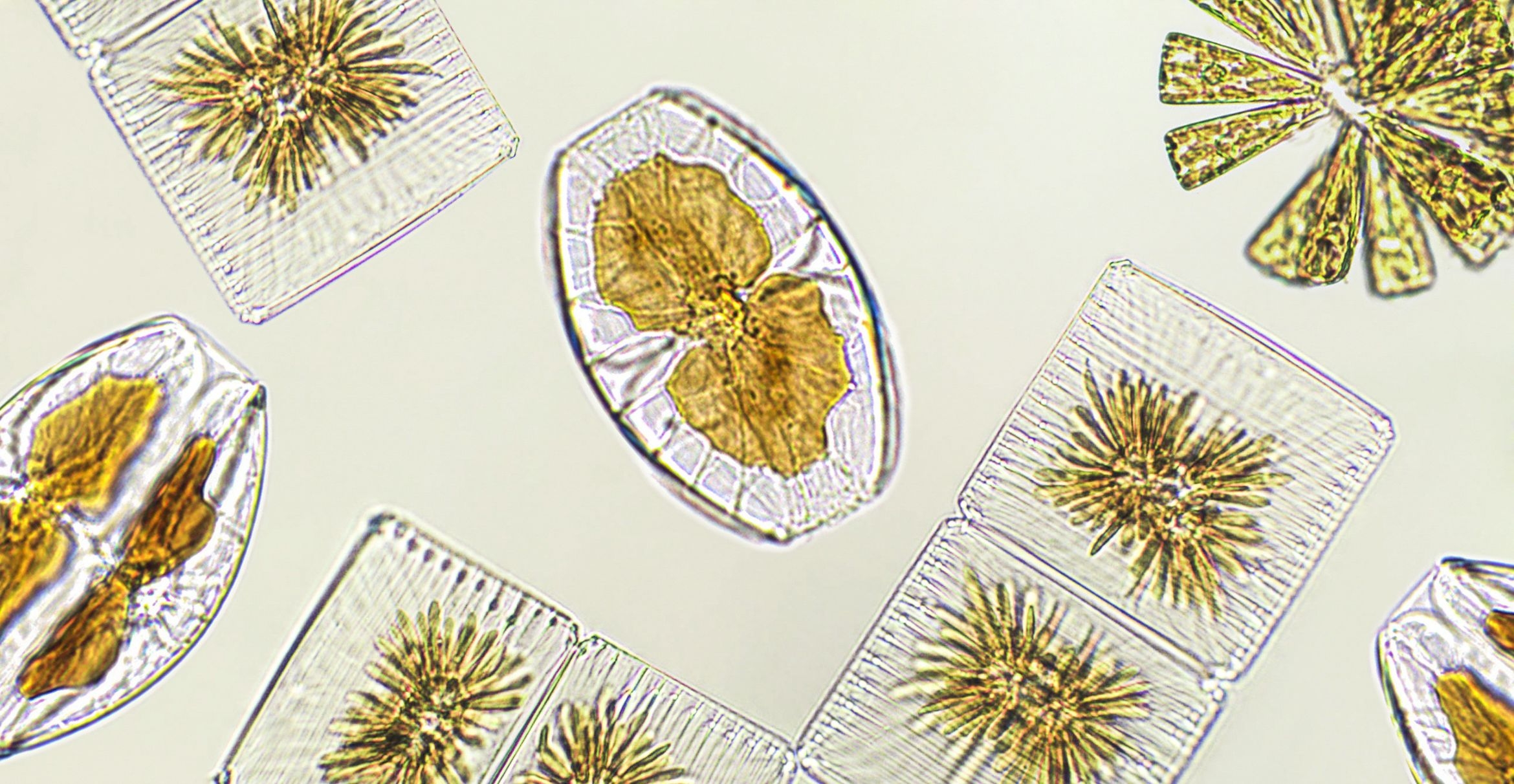
A recent study published in Royal Society Open Science sheds new light on how ocean density affects the carbon sequestration capabilities of marine plankton. This research, led by Dr. Stergios Zarkogiannis from the University of Oxford, explores the intricate relationship between oceanic conditions and the role of plankton in the global carbon cycle. It emphasizes how plankton, specifically foraminifera, contribute to mitigating climate change by absorbing atmospheric CO2 through their calcium carbonate shells. These findings offer crucial insights into the potential impact of climate change on ocean ecosystems and carbon storage.

The study focused on Trilobatus trilobus, a species of foraminifera, which plays a significant role in carbon sequestration. These microscopic organisms build shells made of calcium carbonate, which sink to the ocean floor after their death, effectively locking away carbon for centuries. Dr. Zarkogiannis’s research revealed that changes in ocean density, largely driven by melting ice and the influx of freshwater, can reduce the ability of these organisms to form their shells. As ocean density decreases, foraminifera struggle to sink properly, which affects their contribution to long-term carbon storage.

The findings also suggest that reduced calcification due to low ocean density could have broader implications for oceanic ecosystems. Not only does it hinder the plankton’s role in carbon sequestration, but it also disrupts ocean alkalinity. A decrease in ocean alkalinity reduces the ocean’s capacity to absorb additional CO2, which could further accelerate climate change. This highlights the delicate balance within marine ecosystems and the importance of understanding how ocean conditions influence the carbon cycle.

Dr. Zarkogiannis’s work underlines the urgency of addressing changes in ocean density, which is largely driven by global warming and melting polar ice. As freshwater dilutes seawater and alters its salinity, these physical changes influence the behavior of marine life, including the plankton vital to carbon sequestration. This research could pave the way for more targeted climate models, helping scientists predict how future changes in ocean density may affect the global carbon cycle and, ultimately, the climate.

Concerns Over Environmental Effects of ISS Deorbit in 2031 on Oceans and Atmosphere

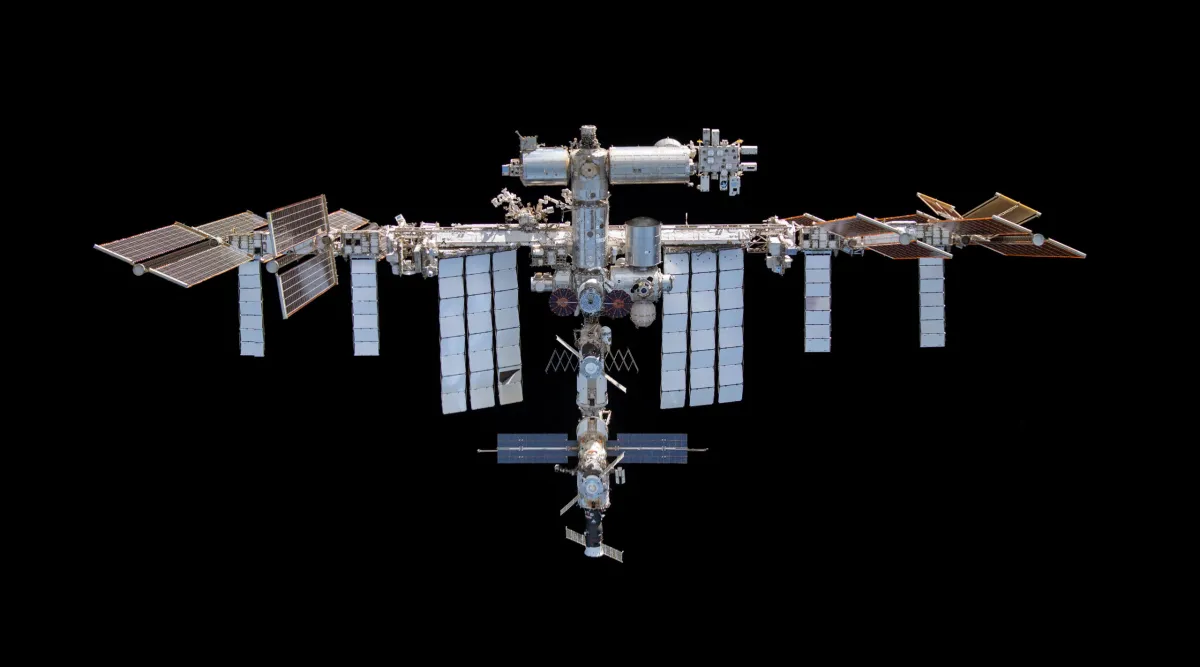
The planned deorbit of the International Space Station (ISS) in 2031 has sparked discussions on its potential environmental impact. The ISS, weighing around 450 tons and facing various operational issues like coolant leaks and structural damage, is set to undergo a controlled re-entry into Earth’s atmosphere. The spacecraft will be directed toward Point Nemo, a remote area in the South Pacific Ocean often used for deorbiting space hardware, which is dubbed the “spacecraft cemetery” due to its distance from human settlements. However, environmental experts have raised concerns regarding the potential consequences for both the ocean and atmosphere as the ISS burns up during re-entry.

One of the main areas of concern involves the potential impact on Earth’s oceans. While the re-entry is expected to occur over a sparsely populated part of the ocean, environmentalists are wary of the long-term effects of large space objects re-entering the atmosphere. According to experts, although oceanic pollution from such events is minimal when compared to other forms of human activity, it still raises valid concerns about the accumulation of space debris in remote areas like Point Nemo. As space exploration increases, these unregulated disposal practices may become an increasingly significant issue for the global environment.

In addition to the oceans, there are also concerns about the ISS’s controlled re-entry’s impact on Earth’s atmosphere. Physicist Luciano Anselmo from the Space Flight Dynamics Laboratory in Pisa, Italy, pointed out that while the risk of oceanic pollution from space debris is low, the potential effects on the upper atmosphere are still not fully understood. The materials that disintegrate during re-entry may contribute to atmospheric changes or unknown chemical reactions. Further studies are required to assess the full range of atmospheric risks posed by large spacecraft falling back to Earth, particularly when considering the global effects of such high-altitude debris.

Advocacy groups, including Greenpeace International and the Ocean Conservancy, have also voiced concerns about the lack of international regulations

Tecno Megapad 11 Launched with MediaTek Helio G99 and 8,000mAh Battery: Full Specifications Revealed

Tecno has officially launched the Tecno Megapad 11 in Ghana, marking a significant step in the company’s expansion in the tablet market. The new tablet features an 11-inch Full-HD+ display with a resolution of 1,200 x 1,920 pixels, offering a smooth 90Hz refresh rate and 440 nits of brightness. The screen is designed with eye protection in mind, supporting Blue Light Filter and Dark Mode to help reduce eye strain during prolonged use. The Megapad 11 also boasts an impressive screen-to-body ratio of 83%, giving users a more immersive viewing experience.

Under the hood, the Tecno Megapad 11 is powered by the MediaTek Helio G99 chipset, coupled with 8GB of RAM for efficient multitasking. This combination promises smooth performance whether you’re streaming content, working, or gaming. The tablet is equipped with an 8,000mAh battery, providing long-lasting power for extended use. Whether for watching videos, browsing, or productivity tasks, the Megapad 11’s large battery ensures that users can go through their day without constantly searching for a charger.

The Megapad 11 runs on Android 14, offering a range of features that are supported by AI technology. This includes optimizations for the user interface and multitasking, ensuring that the tablet performs efficiently. The AI-backed features enhance both the user experience and the device’s overall performance, making it suitable for both casual users and professionals.

The tablet comes in two sleek color options: Starfall Grey and Vitality Green. While the Tecno Megapad 11 has just launched in Ghana, there is anticipation for its release in other markets. Tecno has yet to reveal detailed pricing and availability, but given the success of the earlier Megapad 10, this device is expected to make waves in several global regions. With its combination of a large display, powerful specs, and AI-enhanced features, the Tecno Megapad 11 stands out as a solid choice in the competitive tablet market.