

Is It Possible to Retrieve Memories from a Deceased Person’s Brain? Insights from Neuroscientists

“Exploring the Possibility of Retrieving Memories from a Deceased Brain: What Neuroscientists Say”

The concept of retrieving memories from a deceased person’s brain has fascinated both scientists and the general public alike. While the idea may sound like science fiction, neuroscientists are making strides in understanding how memories are stored in the brain. These advancements have led to the identification of engrams — the physical traces that memories leave in the brain, particularly within groups of neurons. Despite these breakthroughs, the ability to extract these memories after death remains highly speculative and fraught with technical and ethical challenges.

Recent research has focused on how memories are encoded and stored. Studies, such as those published in Nature, have shown that engrams are located in the hippocampus, a region of the brain essential for memory formation. The engrams consist of neural circuits that are activated during the process of recalling a memory. While these engrams represent the framework for memory storage, they do not equate to the memory itself. This distinction complicates the notion of memory retrieval, especially when considering the brain’s complexity and the sheer number of connections involved.

One of the primary obstacles to memory retrieval lies in the reconstructive nature of human memory. As Dr. Charan Ranganath, a leading neuroscientist at the University of California, Davis, explains, human memory is not like a static file that can be pulled from storage. Instead, memories are dynamic, reconstructed through a mix of fragmented information and emotional context. This makes the idea of extracting an exact memory from the brain particularly difficult. In addition, memories that involve sensory experiences or deep emotional reactions may be stored in different regions of the brain, further complicating any potential retrieval process.

Additionally, ethical concerns present significant barriers to pursuing research in this area. The potential to access and “replay” the memories of a deceased person raises questions about privacy, consent, and the implications of such capabilities on human identity. While the science behind memory storage continues to evolve, the dream of retrieving memories from a deceased brain remains firmly in the realm of theoretical exploration, with many hurdles still to overcome.

Xiaomi Mix Flip 2 with Snapdragon 8 Elite SoC: Launch Timeline Leaked

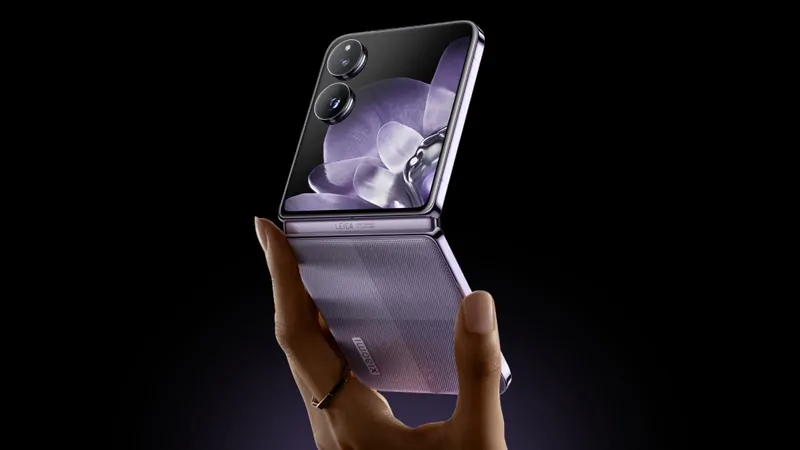
Xiaomi introduced the Mix Flip, its first clamshell foldable smartphone, in China in July before bringing it to select global markets in September. Powered by the Snapdragon 8 Gen 3 chipset, the device features a 6.86-inch main display and a 4.01-inch cover screen, offering a compact yet functional foldable design. Its success, particularly in China, has sparked speculation about a successor. According to recent leaks, Xiaomi may be preparing to launch the second-generation Mix Flip soon, building on the popularity of the original model.

Reports from tipster Digital Chat Station on Weibo suggest that the Xiaomi Mix Flip 2 could debut in the first half of 2025, with a launch expected anytime between January and June. The tipster highlighted the strong sales performance of the original Mix Flip, which has motivated Xiaomi to bring its successor to the market sooner than anticipated. While the company has not officially confirmed these plans, the timeline aligns with Xiaomi’s strategy of staying competitive in the foldable smartphone segment.

The Xiaomi Mix Flip 2 is rumored to feature the cutting-edge Snapdragon 8 Elite chipset, promising enhanced performance and efficiency. While specific details about the device’s design or additional features remain scarce, the use of Qualcomm’s latest flagship processor hints at significant upgrades over its predecessor. If true, this would make the Mix Flip 2 a strong contender in the growing clamshell foldable market, competing with similar devices from brands like Samsung, Huawei, and Oppo.

For now, fans of Xiaomi and foldable devices will need to wait for official announcements or more detailed leaks to confirm the Mix Flip 2’s existence and features. While the prospect of a new clamshell foldable is exciting, it’s worth approaching these early rumors with caution until Xiaomi provides more concrete information about its next-generation foldable lineup.

YouTube for Android Reportedly Testing ‘Play Something’ Floating Button Feature

YouTube is reportedly experimenting with a new feature in its Android app that introduces a “Play Something” floating action button (FAB). This feature is designed to help users discover random videos when they’re unsure what to watch, offering a more serendipitous viewing experience. The button appears in the app with a simple design—white text on a black background—and provides a quick way to jump into content. Initially tested as part of YouTube Shorts last year, this functionality has now expanded to include the broader YouTube video library.

The “Play Something” FAB was spotted by 9to5Google in version 19.50 of the YouTube app for Android. While YouTube has yet to make an official announcement, the feature appears to still be in the testing phase, potentially limited to a small group of users. Its design and function suggest that YouTube is looking to cater to users seeking effortless content discovery, particularly when they’re indecisive about what to watch.

According to the report, tapping the FAB starts a video playback session, initially within the YouTube Shorts interface. However, it can also randomly play regular YouTube videos, adapting the portrait-style interface for these longer videos. The interface includes familiar controls such as options to like, dislike, comment, and share videos. Additionally, a timeline scrubber is displayed at the bottom of the screen, giving users more control over playback.

The inclusion of this feature could mark a new approach for YouTube in engaging users and keeping them on the platform longer. By expanding beyond Shorts to incorporate regular videos, the “Play Something” button has the potential to appeal to a wider audience. If the testing phase proves successful, the feature may roll out globally, offering a seamless and entertaining solution for viewers looking to discover new content without having to browse manually.