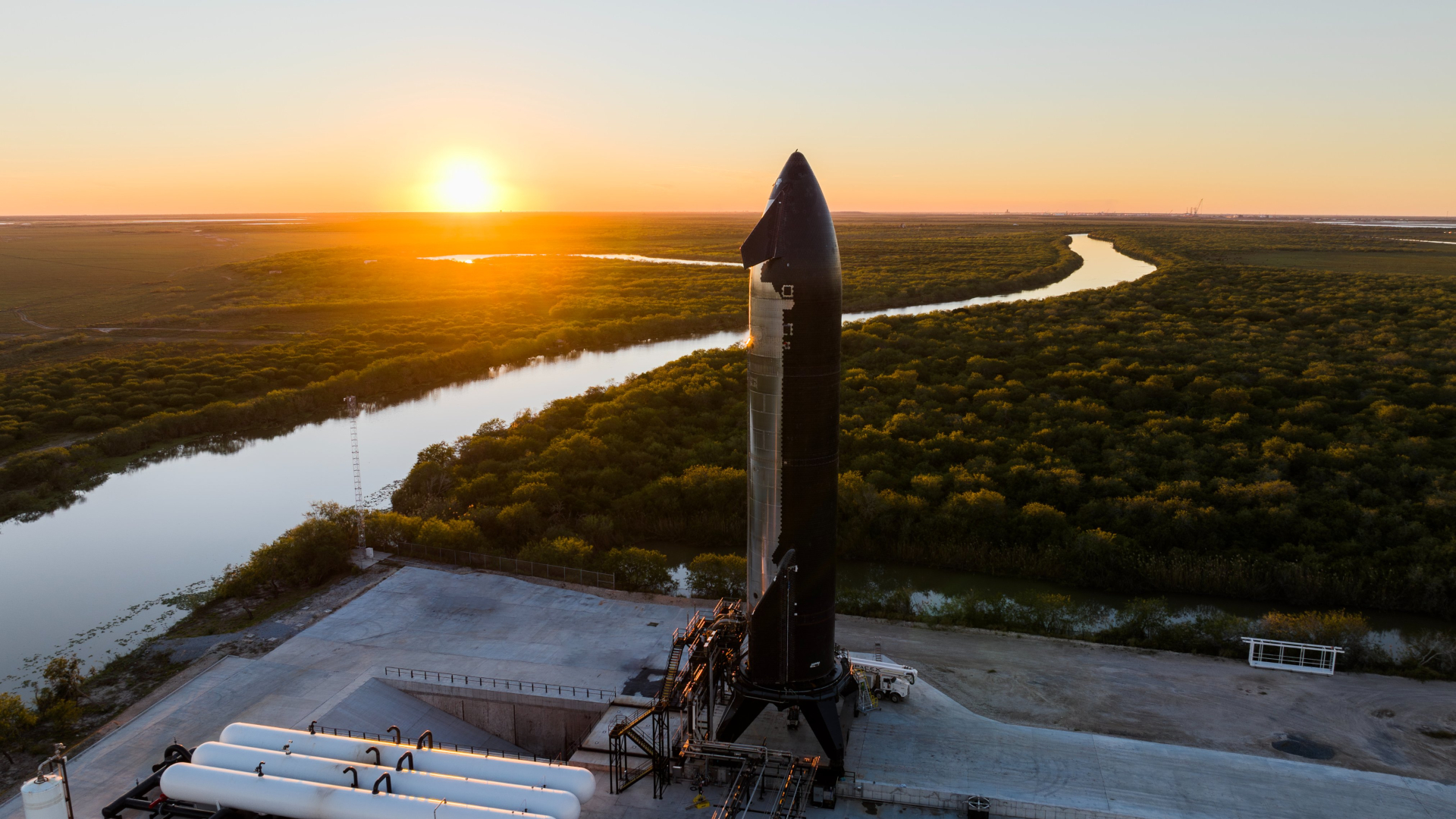
SpaceX Secures FAA Launch License for Starship Flight 7, Paving the Way for 2025 Test

The Federal Aviation Administration (FAA) has officially granted SpaceX the launch license required for the Starship Flight 7 test, marking a crucial milestone for the development of the world’s most powerful rocket. Announced on December 17, this approval permits SpaceX to advance preparations at its Starbase facility in Boca Chica, Texas. The license follows an exhaustive series of engine tests on both the Starship spacecraft and its Super Heavy booster to validate their readiness for launch. Although SpaceX has not specified an exact date, industry insiders speculate that the test could take place in early to mid-January 2025.

Rigorous Preparations in Progress

Flight 7 will follow a trajectory similar to earlier tests, involving the launch of the fully stacked Starship and Super Heavy rocket, an attempted booster catch at the launch tower, and a controlled ocean landing of the Starship in the Indian Ocean near Australia. According to the FAA, stringent safety protocols are being enforced, with SpaceX working closely with regulatory bodies to ensure full compliance with operational standards. These measures underscore the agency’s commitment to balancing innovation with public and environmental safety.

Testing Critical Systems

The primary objectives of Flight 7 include demonstrating booster recovery and validating Starship’s capability to perform safe ocean landings. A prior test in November showcased a successful Starship splashdown in the Indian Ocean but encountered issues with the booster recovery system due to sensor malfunctions. Flight 7 seeks to refine and retest these systems, incorporating adjustments derived from previous data to enhance reliability and performance.

Significance for the Starship Program

As SpaceX prepares for this next milestone, the Flight 7 test represents a pivotal step in the Starship program’s long-term goals. These include supporting lunar missions for NASA’s Artemis program and enabling human exploration of Mars. The FAA’s licensing decision, combined with SpaceX’s engineering refinements, brings the company closer to achieving these ambitious objectives, making the Starship project a cornerstone of future space exploration.
Groundbreaking Research Uncovers Thriving Microbial Ecosystems Deep Beneath Earth’s Surface

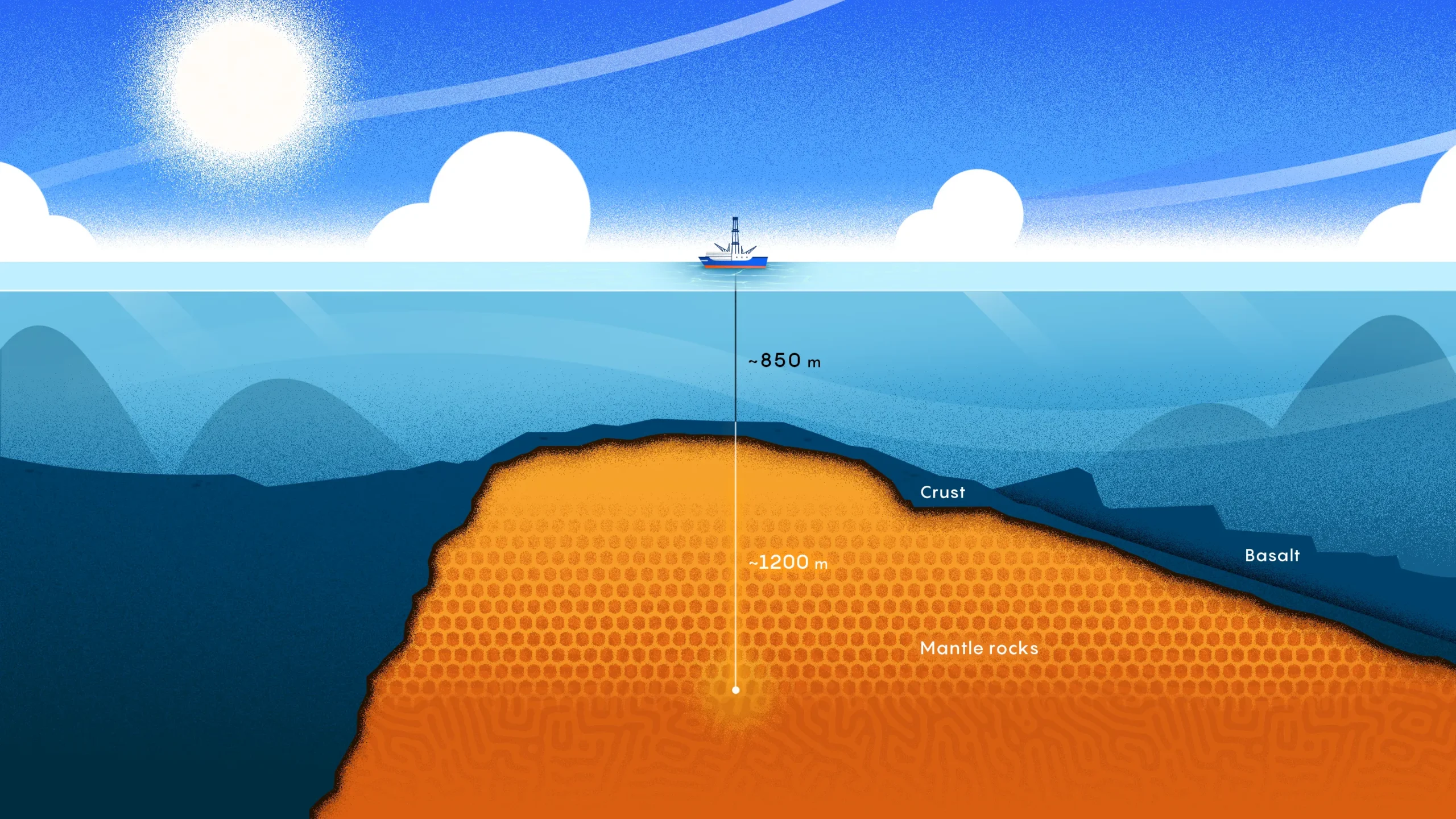
A groundbreaking study published in Science Advances has unveiled the remarkable diversity of microbial life thriving deep beneath Earth’s surface. Led by Emil Ruff, an Associate Scientist at the Marine Biological Laboratory (MBL), the research explores life forms inhabiting depths up to 491 meters below the seafloor and as deep as 4,375 meters underground. The findings reveal that these subsurface ecosystems rival the biodiversity found on Earth’s surface, challenging long-standing assumptions about life in low-energy environments. The implications are far-reaching, offering insights into cellular adaptation, bioprospecting, and the potential for life beyond Earth.

Unveiling Microbial Diversity in the Subsurface

The study highlights the extraordinary resilience of microbes, particularly those in the Archaea domain, which thrive under extreme conditions. Ruff’s team discovered that certain subsurface environments boast biodiversity levels comparable to tropical rainforests or coral reefs. Contrary to the belief that deep environments suffer from energy limitations, these ecosystems often surpass their surface counterparts in diversity. Ruff noted that such discoveries challenge preconceived notions about the adaptability and resourcefulness of life in extreme habitats.

Contrasts Between Marine and Terrestrial Microbiomes

One of the study’s key achievements is its pioneering comparison of microbial diversity in marine and terrestrial subsurface realms. Despite sharing similar biodiversity levels, the composition of microbial communities in these environments is vastly different. Ruff explained that distinct selective pressures in land and sea create unique microbial ecosystems, each highly specialized and incapable of thriving in the opposing environment. This distinction underscores the influence of environmental factors in shaping life’s diversity and adaptability.

Broader Implications for Science and Exploration

These findings hold significant implications beyond Earth. Understanding how microbial life adapts to extreme conditions deep underground could inform strategies for exploring life in extraterrestrial environments, such as Mars or the icy moons of Jupiter and Saturn. Additionally, the study opens new doors for bioprospecting, with potential applications in medicine, biotechnology, and energy. As scientists delve deeper into Earth’s subsurface, they continue to uncover an unseen biosphere that reshapes our understanding of life’s resilience and adaptability.

Research Reveals Moon’s Age to Be 100 Million Years Older Than Previously Estimated

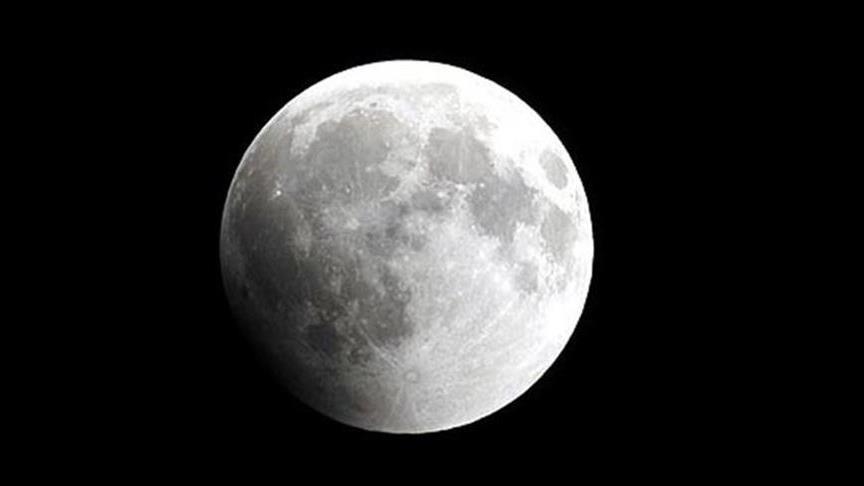
A groundbreaking study published in Nature challenges previous estimates of the Moon’s age, suggesting it could be over 100 million years older than previously thought. Earlier analyses of lunar rocks collected during the Apollo missions indicated the Moon formed around 4.35 billion years ago. However, the new research proposes that the lunar surface underwent a “remelting” process, resetting the apparent age of its rocks. This aligns with simulations of early planetary formation, which suggest the Moon likely formed within the first 200 million years of the solar system’s creation, around 4.5 billion years ago.

The Remelting Hypothesis

Francis Nimmo, a planetary scientist at the University of California Santa Cruz, explained that tidal forces exerted by Earth on the Moon during its early history could have caused intense heating and surface upheaval. This remelting process, akin to volcanic activity observed on Jupiter’s moon Io, may have erased the Moon’s earliest geological features, including impact basins, and reshaped its surface. The hypothesis provides a compelling explanation for why lunar rocks appear younger than the Moon’s true age, offering new insights into the Moon’s dynamic early history.

Evidence from Lunar Zircon Minerals

Rare zircon minerals found in lunar samples support the theory of an older Moon, dating its formation to around 4.5 billion years ago. This revised timeline is consistent with dynamic models of the solar system, which suggest most massive celestial bodies formed by 4.4 billion years ago. Despite this evidence, previous studies based on Apollo-era rock samples suggested the Moon’s age was about 4.35 billion years, leading to ongoing debate among scientists.

Implications for Planetary Science

This revised understanding of the Moon’s age reshapes our knowledge of early solar system dynamics and planetary formation. The study suggests that massive collisions, such as the one believed to have formed the Moon, occurred earlier than previously assumed. It also underscores the importance of continued lunar exploration and sample analysis. By unraveling the Moon’s true age, scientists gain critical insights into Earth’s own formative years and the broader processes that shaped our solar system.