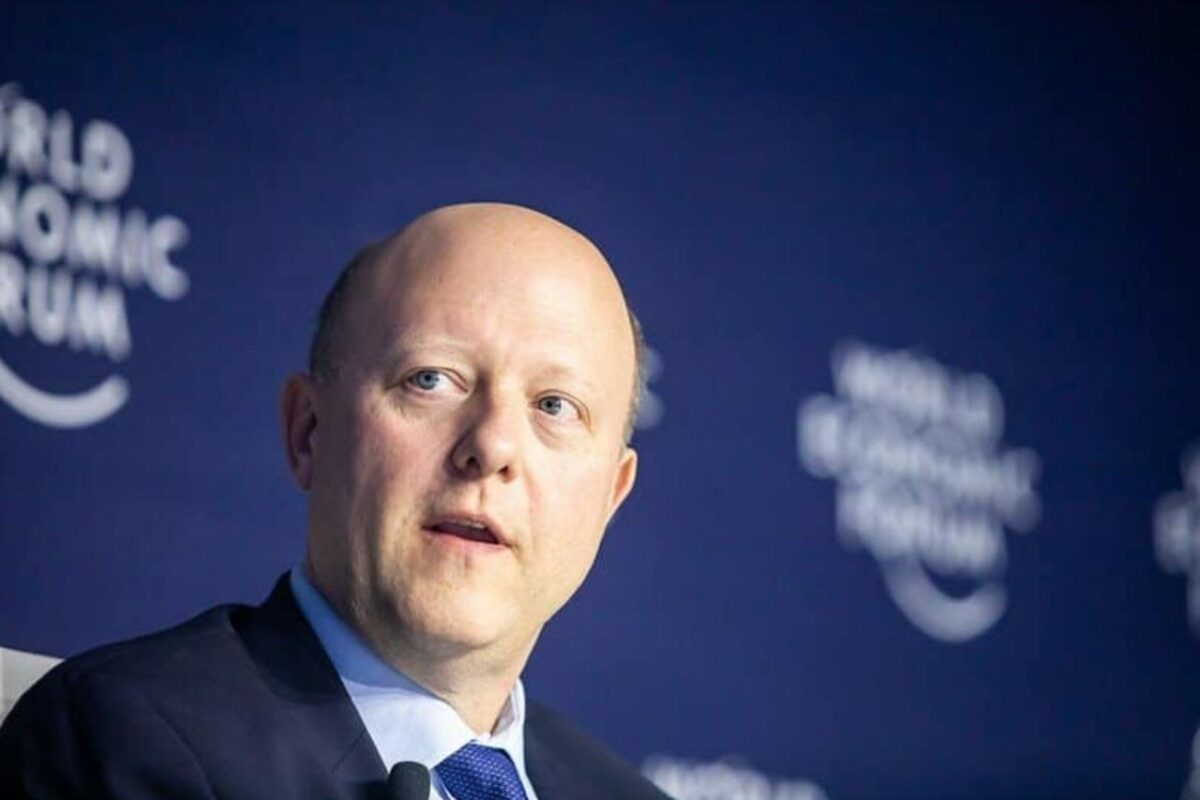
Circle CEO Anticipates U.S. Executive Orders to Broaden Crypto Adoption

Circle CEO Jeremy Allaire has expressed expectations that U.S. President Donald Trump will issue executive orders “imminently” aimed at reducing regulatory barriers for the cryptocurrency sector, which could enable banks to trade, offer investments, and hold crypto assets in portfolios.

Key Points:

  • Executive Orders Expected: Allaire anticipates executive orders under the new administration to address regulatory challenges facing cryptocurrencies, enabling banks to more actively engage with digital assets, including offering crypto investments to wealthy clients.
  • USDC and Crypto Regulations: As the issuer of the USDC stablecoin, Allaire advocates for the repeal of the SEC’s Staff Accounting Bulletin 121, which he claims has made it difficult for financial institutions to hold crypto assets on their balance sheets.
  • Trump’s “Crypto President” Agenda: Trump’s administration has promised to embrace digital assets, with the president aiming to streamline crypto regulation and support broader adoption, aligning with his vision of being a “crypto president.”
  • Broader Industry Impact: Industry leaders, including Faryar Shirzad from Coinbase, expect swift regulatory actions that could further integrate banks into the crypto space, bolstering institutional adoption and broader ecosystem growth.

Spain’s Deputy PM Yolanda Diaz Withdraws from Elon Musk’s X Platform

Spanish Deputy Prime Minister and Labour Minister Yolanda Diaz announced her decision to leave Elon Musk’s social media platform, X, citing concerns over the platform’s algorithmic influence and Musk’s recent behavior during President Donald Trump’s inauguration-related events.

Key Points:

  • Diaz’s Decision: Yolanda Diaz explained her withdrawal from X, emphasizing her refusal to be part of a platform that promotes xenophobic ideas, undermines human rights, and supports the far-right.
  • Musk’s Actions: Diaz’s move followed criticism of Elon Musk’s behavior at an event tied to Trump’s inauguration, where Musk’s arm gesture was controversially compared to a Nazi salute. While Musk dismissed the allegations, the Anti-Defamation League described the gesture as an awkward moment of enthusiasm.
  • Broader Political Reactions: Other members of Diaz’s left-wing Sumar party also plan to cease using X for personal and political posts. The Spanish government clarified that Diaz’s decision was personal, with each minister free to choose their preferred digital platforms.
  • European Shift: Diaz’s departure follows similar moves from German ministries and UK universities, which have distanced themselves from X amid growing concerns over the platform’s direction under Musk’s ownership.

India Plans to Attract Satellite Companies with New Spectrum Policy Amid Musk-Ambani Tensions

India’s recent decision to allocate satellite spectrum rather than auction it is expected to enhance consumer choices, according to telecom minister Jyotiraditya Scindia. The policy has sparked debate, particularly as it aligns with Elon Musk’s Starlink ambitions in India, while raising concerns for Mukesh Ambani’s Reliance Jio.

Key Points:

  • Satellite Spectrum Allocation: India has opted to allocate satellite spectrum administratively, aligning with global practices favored by Musk’s Starlink, rather than auctioning it, as proposed by Ambani’s Reliance Jio.
  • Reliance Jio’s Concerns: Reliance has expressed fears about the potential loss of customers to Starlink, which could affect its broadband, data, and voice services. Ambani, who invested heavily in airwave auctions, has urged a level playing field.
  • Government’s Vision: Scindia reassured that the policy aims to provide consumers with more choices, noting that satellite technology currently cannot replace terrestrial networks for indoor services.
  • Market Potential: India’s satellite broadband market is predicted to reach $1.9 billion by 2030, attracting global players like Starlink and Amazon’s Kuiper. Applications from both companies for licenses are still under review.
  • Telecom Market Dynamics: The Indian market is highly competitive, with major players such as Reliance, Bharti Airtel, and Vodafone Idea. Data prices remain among the lowest globally, and internet connectivity has grown rapidly.