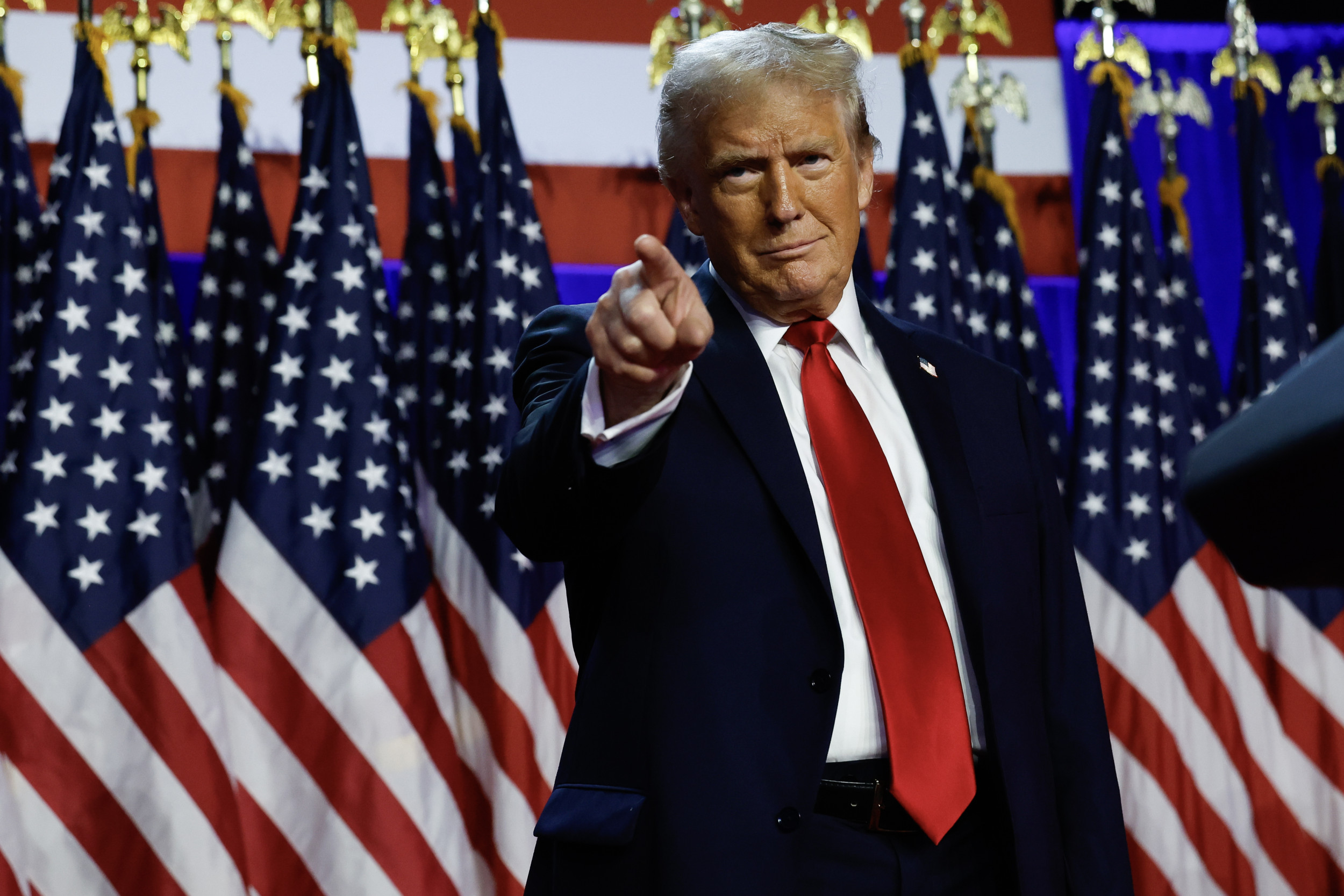
US Firms in Europe Fear Economic Tensions Amid Trump’s Return

A recent survey by the American Chamber of Commerce to the European Union (AmCham EU) reveals significant concerns among U.S. companies operating in Europe about the future of transatlantic economic relations. The anticipated policies of incoming U.S. President Donald Trump, particularly tariffs, have fueled fears of strained ties.

Key Findings from the Survey

The survey, conducted between January 6 and 14 among 58 U.S.-controlled AmCham EU members, highlights:

  • Economic Relations Outlook:
    • 90% of respondents believe U.S.-EU economic relations will deteriorate in the coming years.
    • 67% expect U.S. policies under Trump to harm their European operations.
    • 52% foresee negative impacts from European Union policies as well.
  • Top Concerns for Transatlantic Cooperation:
    • 84% ranked tariffs and trade policy as the primary issue.
    • Other priorities include supply-chain resilience and the energy transition.

Europe’s Strategic Importance

Despite the concerns, a vast majority of respondents emphasized the critical role of Europe in their operations. Companies expressed a strong desire for the U.S. and EU to work together to:

  • Reduce regulatory burdens.
  • Lower trade barriers.
  • Enhance regulatory cooperation.

Environmental Commitments

Notably, 75% of surveyed firms are “very” or “extremely” supportive of the Paris climate agreement, contrasting with Trump’s expected withdrawal from the accord. Only 2% of respondents were unsupportive of the climate agreement, underscoring widespread corporate commitment to sustainability goals.

Implications for Business

The survey results underscore growing unease among U.S. firms in Europe over potential shifts in trade and climate policies under the Trump administration. The findings highlight the need for diplomatic and economic collaboration to address key concerns such as trade policy, supply chain stability, and environmental challenges.

Indian Fintech Paytm Eyes Profitability Within Two Quarters Amid Operational Recovery

India’s leading fintech company, Paytm, announced plans to achieve profitability within one to two quarters following a narrower adjusted loss in the third quarter, as its payments business shows signs of recovery after regulatory setbacks.

Financial Performance Highlights

For the quarter ending December 31, 2024, Paytm reported:

  • Adjusted loss: ₹2.04 billion ($23.6 million), down from ₹4.07 billion in the second quarter.
  • EBITDA (excluding employee stock option costs): Negative ₹410 million, a significant improvement from a negative ₹1.86 billion in the previous quarter.
  • Revenue growth: Operational revenue rose 10.1% sequentially to ₹18.28 billion, driven by:
    • Financial services (including lending): Up 34%.
    • Payment services: Up 8%.
  • Reduced expenses: Down 31% year-on-year and 1% sequentially, primarily due to decreased marketing and employee-related costs.

The company’s Chief Financial Officer, Madhur Deora, expressed confidence in achieving profitability at the PAT (profit after tax) level once its EBITDA metric turns positive.

Operational Challenges and Recovery

In January 2024, the Reserve Bank of India shut down Paytm’s payments bank unit over compliance issues, raising concerns about the company’s digital payments business. However, Paytm’s recent performance suggests a turnaround, with Rahul Jain, Vice President of Research at Dolat Capital, stating, “Paytm’s fundamentals are improving, and regulatory hurdles appear to be largely behind us.”

The company also increased its default loss guarantee for merchant loans disbursed through its lending partner, SMFG India Credit, from ₹2.25 billion to ₹3.5 billion, signaling confidence in the growth of its lending business.

Strategic Focus

  • Lending Business: While its partners remain cautious on unsecured lending, Paytm expects steady growth in merchant loans.
  • Cost Optimization: Reduced marketing and employee expenses have contributed to narrowing losses and improving financial health.

Outlook

With rising operational revenues, controlled expenses, and easing regulatory challenges, Paytm is optimistic about reaching profitability in the near term. The company’s strategy to expand its lending business and maintain financial discipline positions it for sustainable growth in India’s fintech market.


Relief as TikTok Returns: U.S. Users Reflect on Brief Ban and Future Uncertainty

On Saturday night, millions of American TikTok users faced an unsettling reality: their beloved app had been banned, leaving them contemplating a digital landscape without it. However, their fears were short-lived, as service was restored less than 24 hours later, following President-elect Donald Trump’s announcement of plans to revive U.S. access to the app upon his return to office on Monday.

TikTok, owned by the Chinese company ByteDance, had stopped working in the U.S. due to a law taking effect Sunday, aimed at banning the platform over national security concerns. Trump’s decision to delay the ban marked a significant shift from his earlier stance in 2020 when he sought to prohibit TikTok entirely.

The relief among users was palpable. Many took to social media to express gratitude, reflect on the temporary shutdown, or even cringe at their premature farewell posts. Yet, for some, the uncertainty surrounding TikTok’s future looms large.

Concerns Over Ownership and Change

Trump’s latest proposal involves establishing a joint venture in which the U.S. would hold a 50% ownership stake, a move aimed at addressing security concerns. While this provides a potential path forward, users and creators are apprehensive about how changes in ownership might impact the platform’s unique appeal.

“I don’t want the magic of the algorithm to change,” said Kelly Sites, a Kansas-based content creator, drawing comparisons to Elon Musk’s controversial acquisition of Twitter (now X). ByteDance’s proprietary algorithms are central to TikTok’s success, making their transfer unlikely, according to earlier reports.

Creators Grapple with Financial and Emotional Fallout

For influencers and creators, the temporary ban underscored TikTok’s role as a lifeline for their livelihoods. Richard “Chuck” Fasulo, a New York-based auto influencer with 400,000 followers, credited the platform with helping him double his income and achieve financial stability. Confronting the app’s potential loss was a jarring experience, leaving Fasulo with a newfound mistrust of government actions.

Similarly, Charlotte Warren, a dating and relationships content creator from Austin, Texas, emphasized how vital TikTok is for her income. Losing the app could have cost her $60,000 annually and over 200,000 followers. “I just wanted my app back,” she said, relieved by the platform’s swift restoration.

A Community United by Relief and Doubt

Although many welcomed the app’s return, questions about its future linger. Concerns about the U.S. government’s role in TikTok’s operations and the potential for ownership restructuring have sparked debate about the platform’s trajectory. Still, for now, users and creators are savoring the app’s return, hoping the magic of TikTok remains untouched.