Blue Origin’s New Glenn Rocket to Challenge SpaceX with Inaugural Launch

Jeff Bezos’ space company, Blue Origin, is preparing for the debut launch of its New Glenn rocket on Sunday, marking a significant step toward competing with SpaceX’s dominance in spaceflight. The New Glenn, a towering 30-story rocket, represents Blue Origin’s decade-long, multibillion-dollar investment into the burgeoning satellite constellation market, aiming to challenge SpaceX’s Falcon 9, which has been the backbone of many satellite missions.

New Glenn’s success would set the stage for Amazon’s Kuiper broadband internet satellite constellation, positioning it as a competitor to SpaceX’s Starlink network. For Blue Origin, this is a pivotal moment, as the company has yet to send anything into orbit since its founding 25 years ago. Although it has successfully launched and landed the smaller New Shepard rocket, this launch marks its first attempt at Earth orbit.

Scheduled for 1 a.m. ET (0600 GMT) from Cape Canaveral Space Force Station, New Glenn will carry its first payload—a Blue Ring satellite designed for satellite servicing and national security. The rocket is more powerful than the Falcon 9, with a larger payload capacity, although it still lags behind SpaceX’s Starship, which is under development for larger and more ambitious missions.

Blue Origin has secured several satellite contracts, including with Eutelsat’s OneWeb, Telesat, and AST SpaceMobile, positioning New Glenn in a strong market for satellite constellations. The rocket’s reusable core stage will also make its first landing attempt on a drone ship, mimicking SpaceX’s reusability success.

Despite delays and leadership changes over the years, Blue Origin is now fully focused on New Glenn’s success, with CEO Dave Limp pushing for a fast-paced launch schedule. The launch is critical not only for competition but also as a certification flight for the U.S. Space Force, which could lead to lucrative national security payload contracts in the coming year.

 

Brazil Demands Explanation from Meta Over Changes to Fact-Checking Program

The Brazilian government has given Meta 72 hours to explain its recent changes to its fact-checking program, according to Solicitor General Jorge Messias. This demand comes after the social media giant decided to scrap its U.S.-based fact-checking initiative and loosen restrictions on discussions about sensitive topics like immigration and gender identity.

The Brazilian government expressed significant concern over Meta’s policy shift, with Messias criticizing the company’s inconsistency, likening it to an “airport windsock” that changes direction based on external pressures. He emphasized that Brazilian society would not tolerate such policy shifts.

President Luiz Inacio Lula da Silva also weighed in on the issue, calling Meta’s changes “extremely serious” and signaling his intention to address the matter further. While Meta has not yet responded to inquiries about the Brazilian government’s demand, CEO Mark Zuckerberg cited the reasoning behind the decision, blaming “too many mistakes and too much censorship.” He clarified that the changes were initially planned solely for the U.S. market.

Meta’s recent decisions have sparked controversy, with critics arguing that loosening restrictions could encourage misinformation.


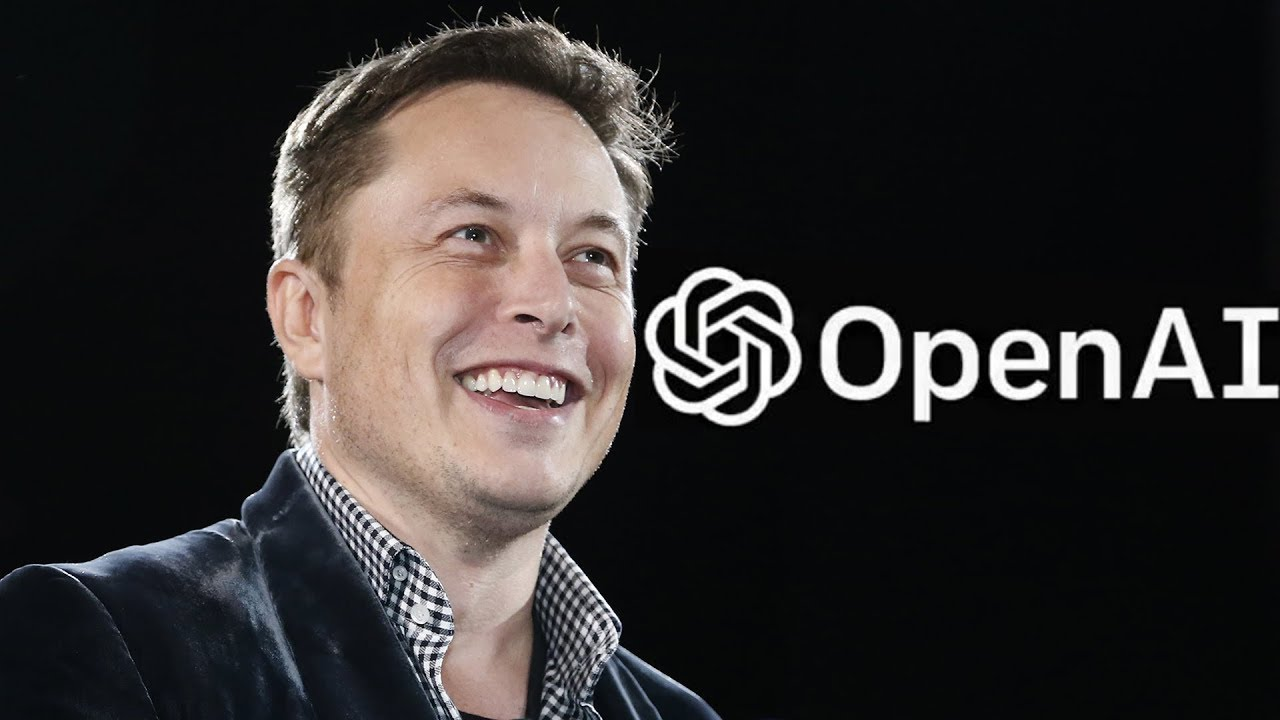
US Supports Musk’s Argument in Lawsuit Against OpenAI

U.S. antitrust regulators have weighed in on Elon Musk’s lawsuit seeking to block OpenAI’s transition into a public company, reinforcing his claims that OpenAI and Microsoft engaged in anticompetitive practices. Although the Federal Trade Commission (FTC) and the Department of Justice (DOJ) did not express a direct opinion on the lawsuit, they provided legal analysis that backs Musk’s argument ahead of a crucial hearing in Oakland, California.

Musk, who co-founded OpenAI and owns AI startup xAI, alleges that OpenAI violated antitrust laws by requiring investors to avoid funding rival artificial intelligence companies and by sharing board members with Microsoft, which is also named in the lawsuit. The lawsuit asserts that these actions harmed competition in the AI market.

In response, OpenAI dismissed the lawsuit, claiming that Musk’s allegations lack evidence and are merely harassment. The company also argued that the claims regarding board member affiliations were irrelevant, as two former Microsoft-affiliated board members—Reid Hoffman and Deannah Templeton—are no longer associated with OpenAI.

However, the FTC and DOJ emphasized that even former board members could still possess sensitive competitive information, which could have implications for antitrust law violations. The authorities also stated that a group investor boycott, as Musk alleges, could be illegal even if the organizer was not a direct investor, reinforcing Musk’s claims of anticompetitive conduct.

The FTC is currently investigating partnerships in AI, including the collaboration between OpenAI and Microsoft, to determine if there have been violations of antitrust or consumer protection laws.