UK Allegedly Demands Apple Unlock Encrypted User Accounts

British security officials have reportedly demanded that Apple create a ‘back door’ to access all content uploaded to the cloud by any Apple user worldwide, according to a report from The Washington Post citing sources familiar with the matter. This move, if confirmed, would mark a significant escalation in government efforts to bypass encryption protections put in place by major tech companies.

Apple is unlikely to comply with the demand and may instead discontinue encrypted storage services in the UK to uphold its commitment to user privacy, the report suggests. The UK Home Office has allegedly issued a “technical capability notice” compelling Apple to grant access to encrypted data. However, a spokesperson for the Home Office declined to confirm or deny the existence of such a notice, stating, “We do not comment on operational matters.”

This development adds to ongoing tensions between governments and tech companies over encryption policies. While law enforcement agencies argue that encryption hampers criminal investigations, privacy advocates and technology firms maintain that weakening security measures creates vulnerabilities that could be exploited by bad actors. Apple has consistently positioned itself as a defender of user privacy, resisting similar demands in the past.

The UK government has recently intensified scrutiny of major tech firms. In January, regulators launched an investigation into Apple’s and Google’s control over smartphone operating systems, app stores, and web browsers. This latest reported demand on Apple signals a broader effort by British authorities to exert influence over global technology policies, raising concerns about digital privacy rights beyond the UK.
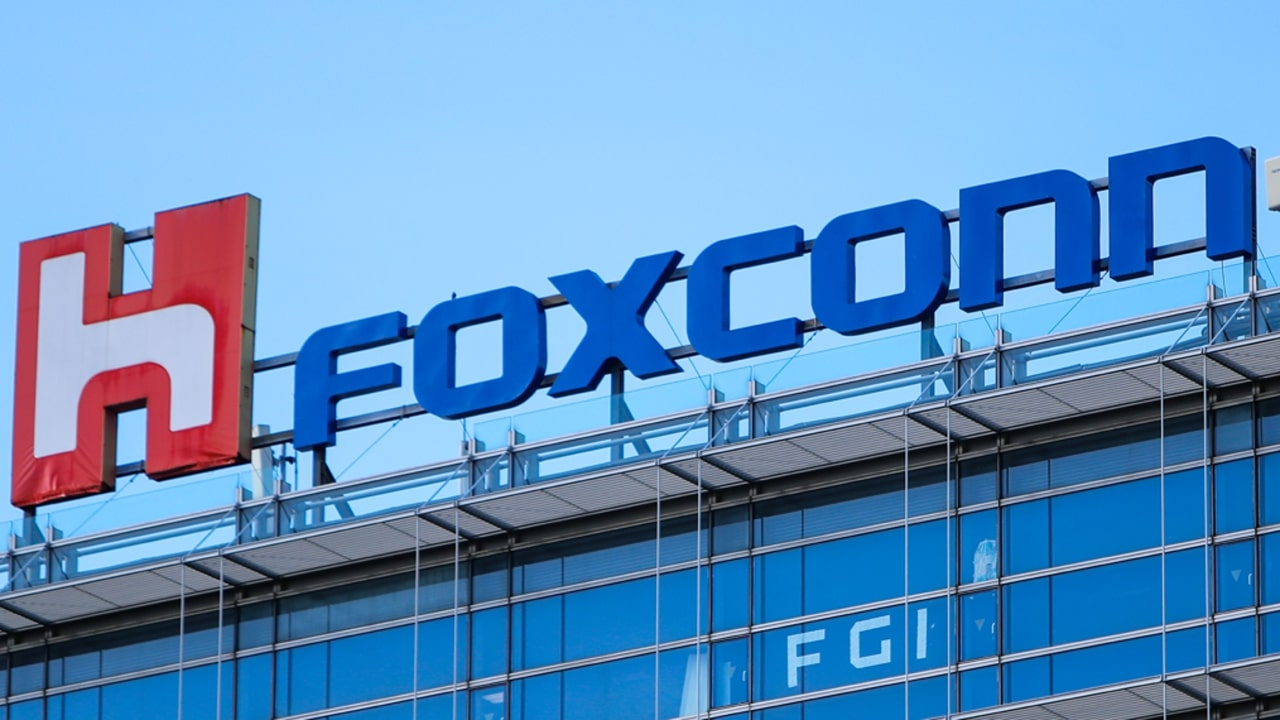

Foxconn Open to Buying Stake in Nissan for Potential Cooperation

Foxconn (2317.TW), Taiwan’s leading electronics manufacturer, has expressed interest in purchasing a stake in Nissan (7201.T), but emphasized that its primary goal is to collaborate rather than invest in the automaker. Chairman Young Liu stated on Wednesday that Foxconn would consider buying shares if cooperation with Nissan required it, but reiterated that acquiring shares was not their main focus.

Foxconn is in discussions with Renault (RENA.PA), Nissan’s largest shareholder, about potential collaboration. These comments come amid uncertainty surrounding Nissan’s future after it stepped away from merger talks with rival Honda (7267.T), which would have created the world’s fourth-largest automaker.

Sources have indicated that Nissan and Honda, who had been exploring a merger, are expected to announce the end of their talks on Thursday due to growing differences between the two companies. This deal would have been a significant shift in an automotive industry facing mounting pressure from electric vehicle (EV) manufacturers, particularly China’s BYD (002594.SZ).

In light of the changing landscape, Nissan is reportedly open to partnerships with new players, including Foxconn, which is best known for its role as Apple’s primary iPhone manufacturer. While Foxconn seeks to diversify its business, it is not looking to establish itself as an automotive brand. Instead, it intends to offer commissioned design and manufacturing services for electric vehicles.

Neither Nissan nor Renault has commented on Foxconn’s chairman’s statements regarding potential collaboration.

Lyft Shares Drop as Price Cuts Persist Amid Ongoing Competition with Uber

Lyft (LYFT.O) shares fell 9% on Wednesday after the company announced that pricing trends from late 2024 are likely to continue in 2025, driven by its efforts to stay competitive with rival Uber. Lyft has been cutting fares and offering more discounts to attract riders and drivers.

During its fourth-quarter report on Tuesday, Lyft revealed that fares fell late last year and have remained low in early 2025. In contrast, Uber stated last week that it expects slight price increases for its UberX service this year as it passes rising insurance costs on to consumers.

Lyft has been using coupons and fare reductions to retain market share. However, Bernstein analysts highlighted that U.S. rideshare companies are reallocating incentives, reducing driver incentives to fund customer promotions—a strategy that could work if properly balanced.

Lyft emphasized that it has flexibility in adjusting incentives to ensure marketplace balance, with a strong driver base currently on its platform. However, analysts at Needham cautioned that extended price cuts could test the industry’s price elasticity and overall demand.

Following Lyft’s fourth-quarter results, at least 13 brokerages lowered their price targets for the company, with a median target of $18, according to LSEG data. The company also projected gross bookings below Wall Street estimates, mirroring Uber’s recent guidance.

Lyft’s forward 12-month price-to-earnings ratio stands at 13.4, compared to Uber’s 29.4. While Lyft’s shares fell 13.9% in 2024, they have risen 11.6% so far this year. However, if the current share decline holds, Lyft’s market capitalization is expected to drop by over $500 million to around $5.4 billion. Uber’s shares were also down about 3% on Wednesday.