CATL Resumes Lithium Mining and Refining Operations in Jiangxi Province

Chinese battery giant CATL (300750.SZ) has resumed operations at its lithium lepidolite mine and refinery in Jiangxi province, according to a spokesperson from its joint venture partner Lopal Tech (603906.SS). This restart is attributed to CATL’s success in reducing production costs at both facilities.

Currently, the operation is producing over 2,000 tons of lithium carbonate per month, with plans to ramp up production to more than 3,000 tons per month as the operation progresses.

Reports emerged last week from UBS, confirming that the mine had resumed production. However, CATL did not respond to Reuters’ request for comment.

CATL’s mine in Jiangxi has been a key contributor to China’s rapidly expanding lithium supplies, which are essential for the production of batteries. The news of its closure in September had previously caused a surge in lithium stocks. The resumption of the mine has had an immediate impact on the market, as lithium miner shares in Australia experienced a drop on Tuesday.

In response to the news, the most-traded November lithium carbonate futures contract on the Guangzhou Futures Exchange closed at 77,300 yuan ($10,578) per metric ton, reflecting a 1.6% drop from the previous day. CATL’s share price on the Shenzhen Stock Exchange also saw a decline of 2.6%, closing at 251.8 yuan.

Quantum Computing Startup QuEra Secures $230 Million Funding Round

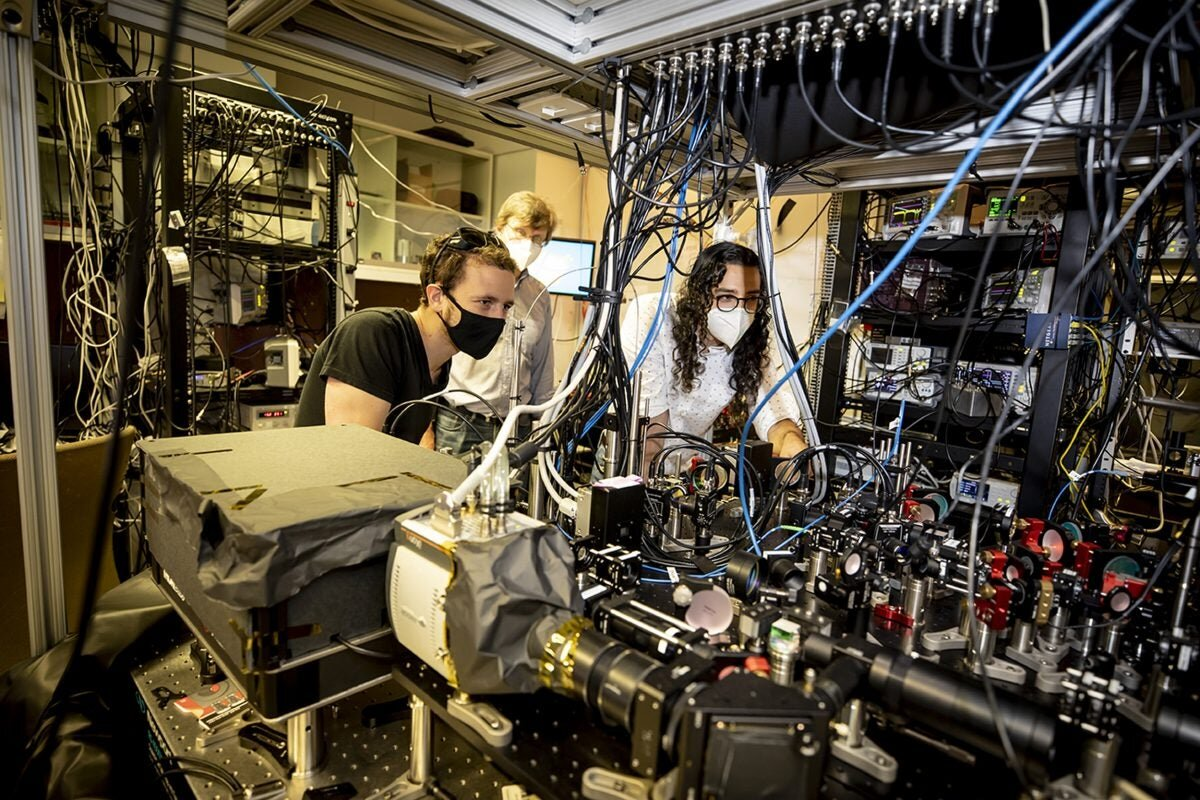
QuEra Computing, a neutral-atom quantum computing startup, announced on Tuesday that it has successfully closed a funding round exceeding $230 million. The round saw participation from significant investors, including Google’s Quantum AI business unit and SoftBank Vision Fund, among others. However, the company did not disclose the valuation at which the funds were raised.

Neutral-atom quantum computing, the core technology QuEra specializes in, offers advantages over other quantum systems by enhancing scalability and reducing error rates. This technology works by using lasers to manipulate small, uncharged atoms such as rubidium or strontium, making it a promising avenue for advancing quantum computing.

The Boston-based firm confirmed that $60 million of the $230 million raised will be received in the near future, contingent on meeting a prerequisite funding condition, which is currently underway.

QuEra plans to allocate this funding toward the development of fault-tolerant quantum computing technology. This technology aims to enable quantum computers to reliably perform computations, even in the presence of errors, a key challenge in the field.

Major tech players like Google, Microsoft, and IBM continue to support the development of quantum computing, recognizing its potential to revolutionize computing power and deliver speeds far beyond the capabilities of today’s advanced systems. Google recently made headlines in December by overcoming a major quantum computing challenge with the release of a new generation of chips. The company has also stated that it expects commercial quantum computing applications to emerge within the next five years.

Shopify Reports Strong Holiday Sales, But Profit Outlook Disappoints

Shopify (SHOP.TO) experienced its strongest quarterly revenue growth in three years on Tuesday, driven by robust consumer spending and the company’s integration of AI features aimed at supporting its sellers. The Canadian e-commerce giant reported a 31% year-over-year revenue increase, reaching $2.81 billion for the fourth quarter, surpassing analysts’ expectations of $2.73 billion.

The company’s success was fueled by strong holiday sales and the launch of its AI-driven tools, known as ‘Shopify Magic,’ which assist merchants with tasks such as inventory management and image generation. These AI tools are available to all subscription tiers for free, further attracting merchants to the platform.

Despite the strong revenue growth, Shopify’s shares fell approximately 2% in early trading. Investors expressed concerns over the company’s weaker-than-expected profit forecast for the current quarter. The company’s high investments in technology, marketing, and global expansion, coupled with rising cloud and infrastructure hosting costs, have led to concerns about margin growth.

Shopify’s CFO, Jeff Hoffmeister, acknowledged that while these costs may not significantly impact future quarters, the company plans to continue investing heavily in research and development. This expansion strategy includes venturing into new markets, which, while promising, could put pressure on profitability in the short term.

The company’s forecast for gross profit growth in the current quarter—projected to be in the low-twenties percentage range—falls below analysts’ expectations of a 24.2% increase. Additionally, Shopify’s forecast for operating expenses as a percentage of revenue, which is expected to be between 41% and 42%, also exceeded analysts’ expectations, further contributing to investor concerns about potential profitability challenges.