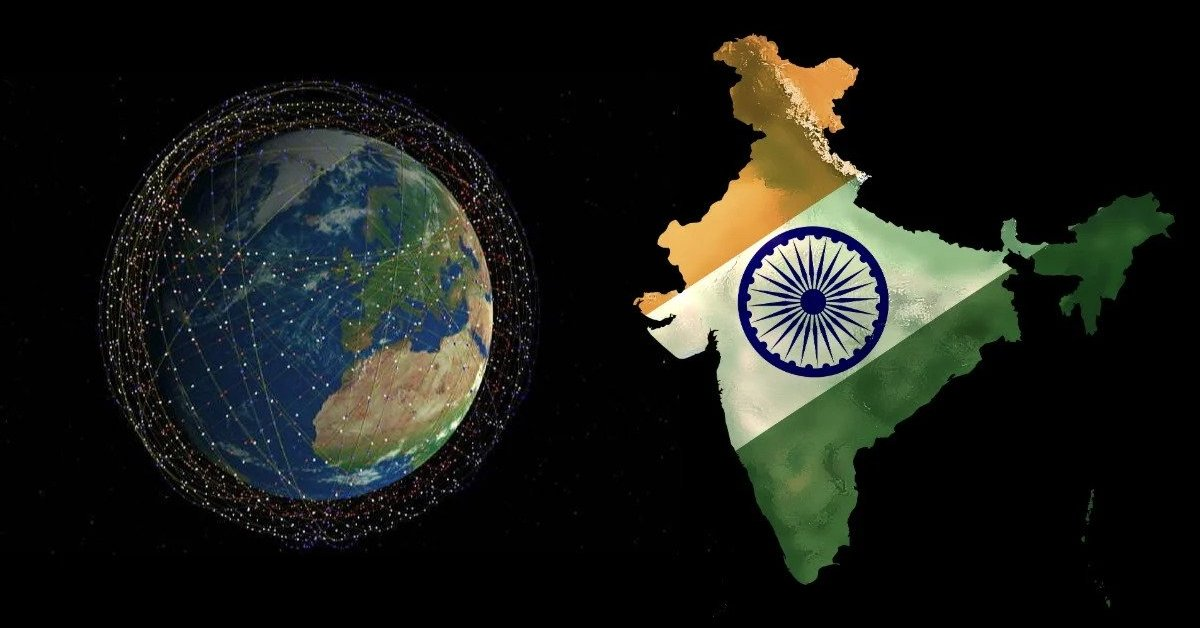
Starlink’s Potential India Approval Could Open Doors to Emerging Markets

Starlink, the satellite broadband service owned by SpaceX, is on the cusp of gaining regulatory approval in India, a development that could unlock growth in emerging markets and significantly contribute to the company’s ambitious target of adding one million subscribers annually. While the service still faces legal challenges and competition from other players like Eutelsat and China’s SpaceSail, a foothold in India could offer a $25 billion opportunity for Starlink and reshape the satellite broadband landscape in the country.

India’s potential approval is considered crucial for Starlink, as analysts highlight the market’s vast untapped potential. Independent satcom specialist Davis Mathew Kuriakose stated, “India is not only a credibility boost but also a crucial test of its economic feasibility in emerging markets.” The company’s journey to operate in India has been delayed since 2022 due to spectrum allocation issues, but recent agreements between Starlink, Mukesh Ambani’s Reliance Jio, and Sunil Mittal’s Bharti Airtel signal progress. This move indicates that regulatory hurdles may soon be cleared.

SpaceX’s satellite internet service has faced an ongoing regulatory standoff with India over whether to auction satellite broadband spectrum or allocate it administratively. In October, India opted to allocate bandwidth to new entrants like Starlink, a decision that paves the way for the company’s potential entry into the market. Additionally, the low Earth orbit (LEO) subscription market is projected to see dramatic price reductions, with monthly fees expected to drop from $148 in 2023 to around $16 by 2035.

Experts predict that India will play a pivotal role in Starlink’s subscriber growth, contributing significantly to its global expansion. With its competitive pricing strategy, Starlink could offer broadband plans starting at $15 per month, challenging India’s current market where basic plans start at $12. Starlink’s brand value, combined with its premium services, could appeal to India’s aspirational market, according to Vivek Prasad, principal analyst at Analysys Mason.

Industry insiders believe Starlink’s entry into India will provide the company with a key opportunity to influence the country’s satellite internet market, which has the potential to serve 700 million customers. If approved, Starlink would have a significant seat at the table, shaping the future of India’s broadband landscape.
Trump’s World Liberty Financial to Launch USD1 Stablecoin

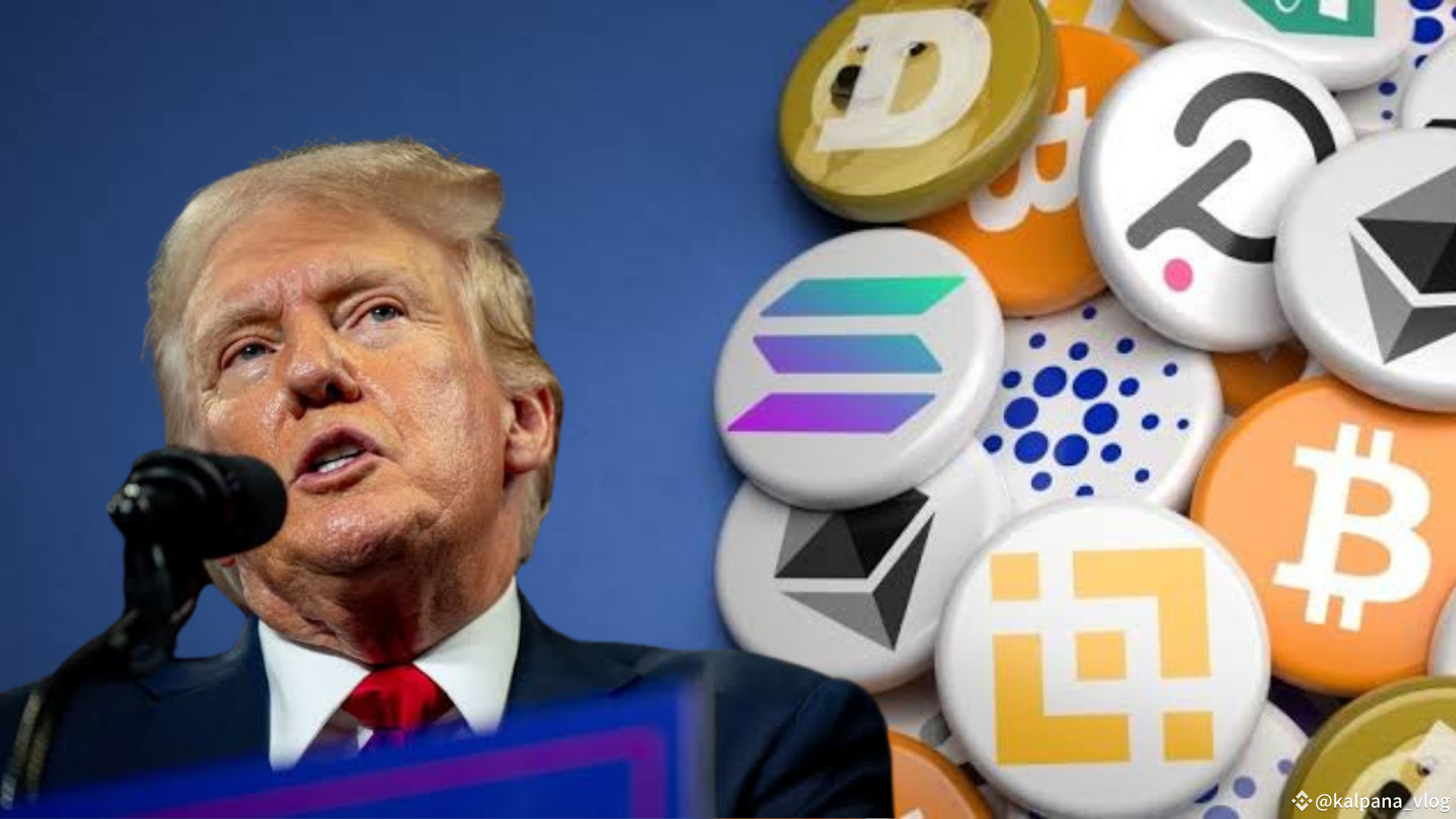
Donald Trump’s World Liberty Financial venture announced plans to launch a new dollar-pegged stablecoin, USD1, which will be fully backed by U.S. Treasuries, dollars, and other cash equivalents to maintain a value of $1. The move follows the venture’s successful raise of over $550 million from the sale of a separate digital token, $WLFI.

Stablecoins like Tether and USDC have become crucial players in the crypto industry, with over $237 billion in circulation. These tokens facilitate transactions between cryptocurrencies and provide liquidity in the market. USD1 aims to tap into this growing market and offer “sovereign investors and major institutions” a secure means of conducting cross-border transactions, according to World Liberty co-founder Zach Witkoff.

The reserves for USD1 will be audited by a third-party firm, although World Liberty has not disclosed further details. The stablecoin will initially launch on the Ethereum and Binance Smart Chain blockchains, with future plans to expand to other platforms. The firm also revealed its partnership with BitGo, a California-based custodian, to handle the reserves and provide institutional clients access to liquidity.

Trump’s crypto interests, including the launch of USD1 and a meme coin earlier this year, have raised concerns among ethics experts about potential conflicts of interest, especially as he has pledged to overhaul U.S. regulations on crypto. Despite this, the initiative aims to compete with established stablecoins in the market, such as Tether and USDC.

China’s DeepSeek Releases V3 AI Model, Boosting Competition with OpenAI

Chinese AI startup DeepSeek has launched a major upgrade to its V3 large language model, DeepSeek-V3-0324, marking a significant step in its rivalry with U.S. tech giants such as OpenAI and Anthropic. The new model, available through the AI development platform Hugging Face, showcases notable improvements in reasoning and coding abilities, setting a new benchmark for performance in the AI space.

Benchmark tests indicate that the V3 model has outperformed its predecessor across multiple technical metrics, solidifying DeepSeek’s growing presence in the competitive AI market. DeepSeek, which has quickly become a key player in the global AI landscape, has been pushing forward with a series of model releases, including the V3 launch in December and the R1 model earlier in January.

The company’s rise is seen as part of a broader trend where Chinese AI firms are intensifying competition with Western companies, offering similar capabilities at lower operational costs. DeepSeek’s rapid development positions it as a formidable contender in the global AI race.