Malaysia to Tighten Semiconductor Regulations Amid U.S. Pressure

Malaysia plans to impose stricter regulations on the movement of semiconductors, particularly those from Nvidia, as part of efforts to curb the flow of advanced chips to China under U.S. pressure. The United States has expressed concerns over the potential diversion of these critical chips to China, where they could be used in the development of artificial intelligence (AI) technologies.

Trade Minister Zafrul Aziz revealed that the U.S. government has asked Malaysia to monitor shipments of high-end Nvidia chips and ensure that they are not diverted to unauthorized destinations, particularly China. The U.S. is concerned that servers containing these chips may end up in Chinese data centers instead of the intended locations, and is pushing Malaysia to track every shipment of Nvidia products entering the country.

Malaysia’s investigation into the situation also ties into a broader inquiry regarding a fraudulent transaction case in Singapore, involving the illicit shipment of U.S. servers to Malaysia. These servers may have contained advanced chips covered by U.S. export controls. The case, which involves Singapore-based firms accused of supplying these servers fraudulently, is valued at $390 million. There are concerns that the shipments may have been intended for Chinese AI company DeepSeek, which gained attention for its AI model performance earlier this year.

The U.S. government is also probing whether DeepSeek has been using banned U.S. chips, as part of a wider investigation into the potential violations of export controls on semiconductor technologies.
Italy’s Talks with Musk’s Starlink Stalled Over Geopolitical Tensions

Negotiations between the Italian government and Elon Musk’s satellite internet company, Starlink, have stalled, according to Italy’s Defense Minister Guido Crosetto. The potential contract, which could have seen Starlink provide secure communications for Italy’s government and defense officials, has been delayed due to shifting discussions from technical issues to political concerns surrounding Musk’s statements and associations.

Prime Minister Giorgia Meloni’s government had been exploring a deal with Starlink to guarantee encrypted communications for diplomats and defense officials in high-risk areas. The proposed deal, valued at 1.5 billion euros ($1.62 billion) over five years, would have seen Starlink’s satellite services expand in Italy, where the company has been operating since 2021 with around 7,000 low-orbit satellites in use globally. However, tensions have arisen due to opposition from Italian politicians questioning the appropriateness of granting a national security contract to a foreign businessman with strong ties to U.S. President Donald Trump.

Crosetto emphasized that discussions should return to a technical level once the political tensions subside, stating that the ultimate goal is to determine what is safest and most useful for Italy’s national security. He referred to Musk as a “visionary genius” but acknowledged the complex political context surrounding the deal.

The situation also reflects the broader geopolitical balancing act that Meloni’s government faces as it navigates Italy’s alliance with the United States. Meloni’s coalition partner, the far-right League, has continued to support both Musk and Trump, putting additional pressure on the government.

Meanwhile, Andrea Stroppa, a representative for Musk in Italy, suggested that while Italy and its European partners should consider developing their own satellite infrastructure, Starlink could offer the most viable solution in the short term to meet urgent operational needs.

Former Cruise CEO Kyle Vogt’s Robotics Startup, The Bot Company, Valued at $2 Billion in New Funding

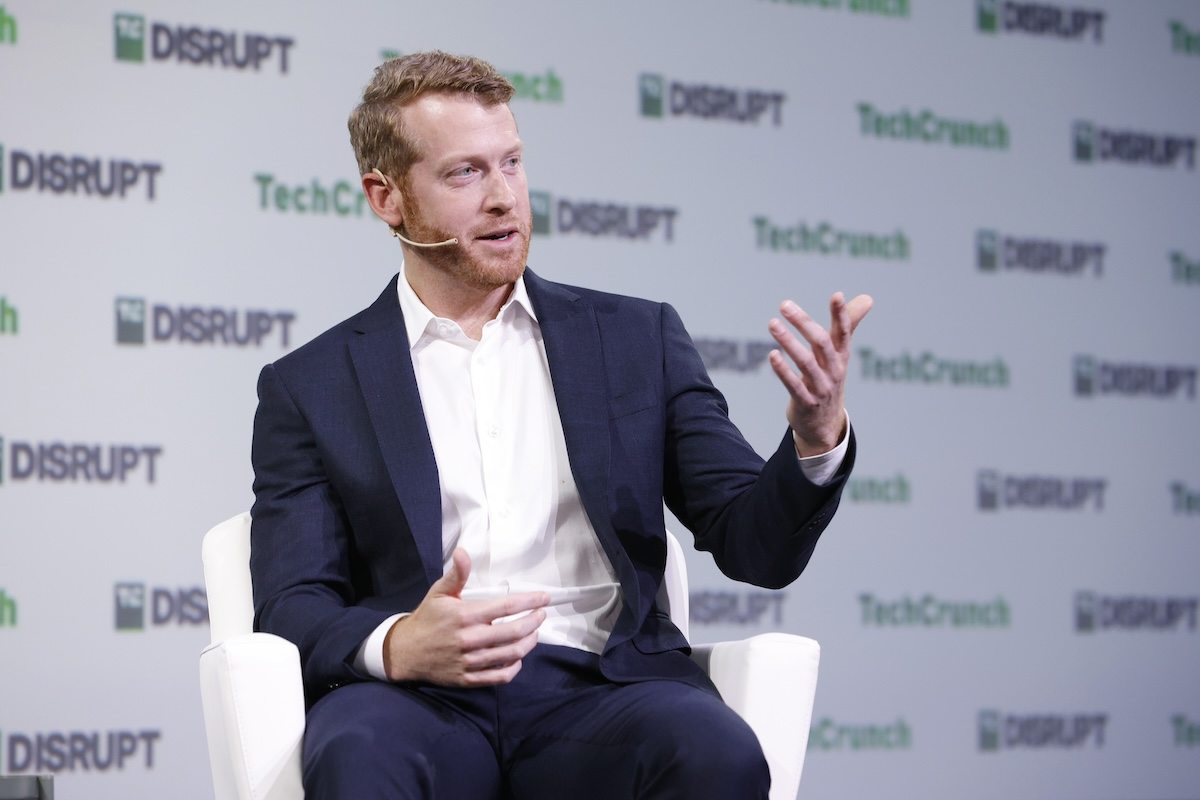
Kyle Vogt, the former CEO of self-driving car company Cruise, has secured $150 million in a new funding round led by Greenoaks for his robotics startup, The Bot Company. This investment boosts the company’s valuation to $2 billion, a significant jump from its previous valuation of $550 million following an earlier $150 million funding round. Despite the company not yet releasing a product or generating revenue, the funding reflects strong investor confidence in its potential.

The Bot Company, which was co-founded by Vogt, Paril Jain, and Luke Holoubek—former engineers at Tesla and GM-owned Cruise—aims to build AI-powered robots for everyday household tasks. These robots are designed to be non-humanoid and feature a base and grips for performing chores. The company is still in the development phase, working on integrating hardware and artificial intelligence-based software that will enable the robots to adapt and learn new tasks.

The company’s rapid rise in valuation comes amid a boom in robotics, driven by advances in large language models (LLMs). These AI models enable robots to understand natural language commands and perform more complex tasks, fueling significant interest in robots that could assist in homes or on factory floors. The Bot Company’s focus on creating at-home robots positions it within the growing trend of robotics startups, which are attracting substantial funding for innovative, AI-powered solutions.

The boom in robotics is also reflected by other industry players. Companies like Tesla, startups such as Figure, and Cobot, a robotics firm focused on industrial automation, are drawing attention with large funding rounds. Major players like Amazon have also invested heavily in home robotics, with the launch and eventual discontinuation of its Astro robot.

Vogt and his co-founders are part of a wave of talent transitioning from the self-driving car industry to robotics, aiming to create more adaptable and intelligent robots that can perform a range of tasks in daily life. The investment in The Bot Company, alongside the increasing venture capital influx into robotics, indicates growing confidence in AI-driven, action-based robotics solutions.