Jabil Raises 2025 Profit and Revenue Forecast Amid Data Center Demand

Jabil (JBL.N) has raised its 2025 profit and revenue forecast, driven by strong demand for data center infrastructure amid the surge in artificial intelligence (AI) adoption. The electronic component maker surpassed Wall Street expectations for its second-quarter earnings, leading to a 6.5% rise in premarket trading on Thursday.

The AI boom has increased demand for data centers, benefiting Jabil and fueling growth in its semiconductor fabrication and test equipment business.

For the second quarter ending February 28, Jabil reported:

  • Adjusted earnings per share (EPS): $1.94, exceeding analysts’ estimate of $1.83 (LSEG data).

  • Quarterly revenue: $6.73 billion, above the forecasted $6.41 billion.

Following these strong results, Jabil updated its full-year projections:

  • Adjusted profit forecast: $8.95 per share, up from the previous $8.75.

  • Revenue forecast: $27.9 billion, revised from $27.3 billion.

Based in St. Petersburg, Florida, Jabil continues to capitalize on AI-driven growth and expanding data center investments, reinforcing its market position in high-tech manufacturing.

Microsoft to Launch Three Data Centers in Malaysia by Q2 2025

Microsoft is set to launch its first cloud region in Malaysia by mid-2025, featuring three data centers in the greater Kuala Lumpur area, the company announced on Thursday. This initiative follows a $2.2 billion investment revealed last year, aimed at enhancing Malaysia’s cloud and artificial intelligence (AI) capabilities.

The new Malaysia West cloud region is expected to be operational by the second quarter of 2025, according to Laurence Si, Managing Director of Microsoft Malaysia. However, Microsoft has not disclosed the capacity of these data centers.

Regarding potential challenges due to U.S. export restrictions on semiconductor chips, Si stated that Microsoft was monitoring the situation but had not encountered any issues so far. “Everything is status quo for us,” he noted, emphasizing that Microsoft’s investment plans remain on track with support from various stakeholders.

Microsoft estimates that its commitments in Malaysia over the next four years will generate $10.9 billion in revenue and create over 37,000 jobs. The initiative is expected to accelerate innovation, enhance cybersecurity, and strengthen Malaysia’s position as a cloud and AI hub in Southeast Asia.

Microsoft Preparing Xbox Gaming Handheld for 2025 Launch, Plans Next-Gen Console Release in 2027: Report

Microsoft’s Xbox division is reportedly gearing up for a significant push into the gaming handheld market, despite facing challenges in its console business. Since 2024, Microsoft has shifted its focus toward launching first-party titles on rival platforms, which has reportedly led to a record low in console sales in the US. However, Xbox chief Phil Spencer has emphasized that the company remains committed to its hardware business, and new reports suggest that the company is indeed preparing for a major hardware release in the coming years. Microsoft is planning to release an Xbox gaming handheld in 2025, alongside the launch of its next-generation consoles in 2027.

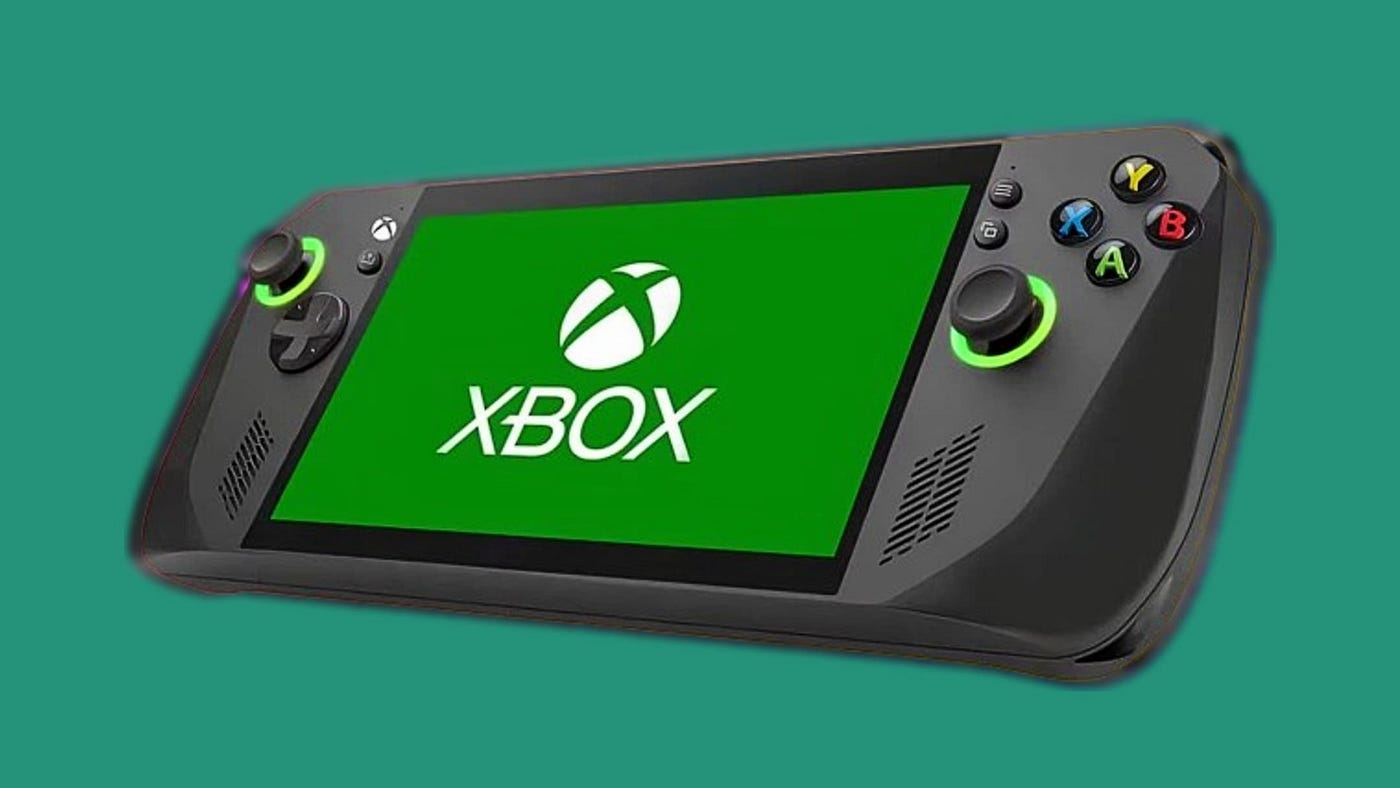
According to a report from Windows Central, Microsoft is collaborating with a major PC gaming OEM to develop the Xbox handheld device, which is expected to launch later this year. While the specific OEM has not been named, industry speculation points to well-known manufacturers like Lenovo, Asus, or MSI—each of which has already released its own gaming handhelds running Windows. The Xbox handheld, codenamed “Keenan,” is said to have a design unmistakably tied to Xbox, featuring a dedicated Xbox guide button, and will likely be built around Windows OS. This will allow users to access Microsoft’s PC Game Pass ecosystem and Microsoft Store, while also supporting other gaming platforms such as Steam and Epic Games Store.

The handheld is expected to be tailored for a seamless Windows experience on the go, addressing some of the criticisms that have been leveled at previous Windows-based handheld devices for lacking an optimized software interface. Microsoft has previously stated its intent to merge the Windows and Xbox ecosystems to improve the gaming experience for portable devices, suggesting that the handheld’s operating system will be fine-tuned for gaming rather than a standard Windows interface.

Looking further ahead, the report indicates that Microsoft is also in the process of developing a next-generation Xbox console, with the launch of the Xbox Series S/X successor targeted for 2027. While Microsoft’s console sales have faced some setbacks in recent years, these moves into new hardware markets show the company’s ongoing investment in its gaming hardware, which could set the stage for a refreshed gaming ecosystem in the years to come.