Google Rebrands Gemini Extensions as ‘Apps’, Enhanced with Gemini 2.0 Flash Thinking

Google is introducing several updates to its Gemini platform, announced on Friday, aimed at improving user experience and enhancing its artificial intelligence (AI) capabilities. The updates focus on two main areas: a change in terminology for Gemini tools and an upgrade to how the AI chatbot integrates with other apps. This rollout is currently being extended to all Google Workspace accounts, but the terminology shift applies to all users of Gemini, bringing a more streamlined and unified experience.

One of the key changes involves renaming the Gemini extensions as “apps.” While the functionality of these extensions remains unchanged, Google has decided to remove the term “extensions” from the platform entirely. Instead, the Gemini interface will refer to these tools simply as apps, eliminating any mention of the previous term across both the Gemini app and the web client. This shift is designed to make the overall experience feel more cohesive and intuitive for users, aligning with a growing trend toward simplifying interface language.

As part of this update, the Gemini extensions menu is now labeled as the “Apps” menu. The description has also been updated to reflect the new terminology, now reading, “Bring it all together with Gemini and your favourite apps.” This replaces the earlier phrasing that mentioned extensions. Furthermore, the option to manage Gemini tools has been reworded from “Turn Gemini Extensions on or off anytime” to “Manage which apps Gemini connects to,” further emphasizing the move toward simplifying the platform’s language and user controls.

These changes signal Google’s ongoing efforts to enhance the integration between its AI services and other apps within the ecosystem. By adopting the term “apps,” the company aims to create a more seamless connection between Gemini and the wider array of tools available, improving the platform’s flexibility and user-friendliness. As Gemini continues to evolve, these updates are just a part of a broader push to make AI-driven interactions more accessible and easier to navigate for users across different platforms.

Ancient Mesopotamian Canal System Discovered in Iraq, Revealing 3,000-Year-Old Irrigation Techniques

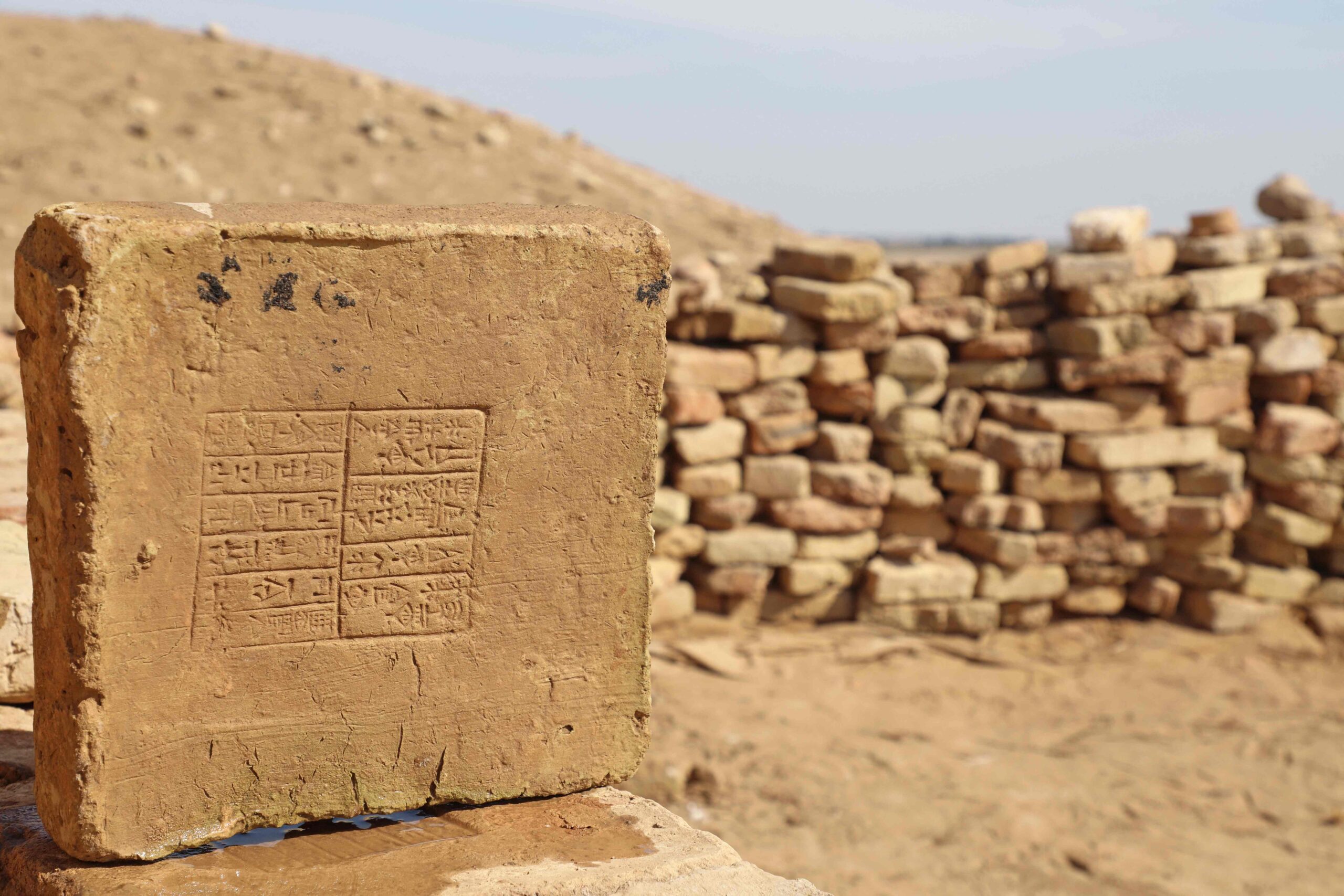
In southern Iraq, a remarkable discovery has uncovered a vast network of irrigation canals that date back over 3,000 years. These canals, which once transported water from the Euphrates River, are believed to have been integral to the agricultural practices in the Eridu region before the first millennium B.C. The canals, some stretching up to 9 kilometers, form part of a complex system that sheds light on the advanced water management techniques employed by the ancient Mesopotamians. This discovery not only highlights their engineering expertise but also offers new insights into how early civilizations adapted to environmental changes to sustain their societies.

The study, published in Antiquity, reveals that over 200 major canals and more than 4,000 smaller channels were identified through advanced methods like satellite imagery, drone surveys, and geological mapping. The research team, including geographer Jaafar Jotheri from the University of Al-Qadisiyah, highlighted that although the system was extensive, not all of the canals were in operation at the same time. The network evolved over centuries, responding to the changing course of the Euphrates River. The researchers also documented around 700 farms that were sustained by the irrigation system, underscoring the highly organized agricultural landscape that once flourished in the region.

The study also reveals how shifts in the Euphrates River’s path had a profound impact on the region’s settlements. As the river changed course, the canal network became obsolete, causing the region to eventually be abandoned in the early first millennium B.C. This environmental shift helped preserve the traces of the ancient canals, which are now a vital resource for understanding how water availability influenced settlement patterns and agricultural practices in Mesopotamia. The irrigation system, which once sustained a thriving agricultural economy, is now a testament to the ingenuity and adaptability of ancient civilizations.

Ultimately, the findings from this research emphasize the crucial role that water management played in the rise and fall of early Mesopotamian societies. The irrigation network, although eventually abandoned, showcases the advanced technological and organizational capabilities of ancient peoples. By studying these ancient water systems, researchers are gaining valuable knowledge about how ancient communities dealt with environmental challenges, providing a deeper understanding of the ways in which civilizations have historically interacted with their natural surroundings.

Death Stranding 2: On the Beach Release Date Announced, New Trailer Reveals Gameplay

Kojima Productions has officially confirmed the release date for Death Stranding 2: On the Beach, alongside a new trailer that offers a deeper look into the game’s gameplay, new characters, enemies, and more. The much-anticipated action-adventure title will launch exclusively on the PS5 on June 26, 2025. For those eager to get their hands on the game early, pre-orders will begin later this month on the PlayStation Store, with multiple editions available for players to choose from.

The announcement was made at a special panel during SXSW in Austin, Texas, where Hideo Kojima, the head of Kojima Productions, revealed a cryptic yet captivating 10-minute trailer. The trailer showcases a variety of gameplay elements, including intense combat sequences and exploration, while teasing the game’s intricate world. It also introduces several returning stars from the first game, such as Norman Reedus, Lea Seydoux, and Troy Baker, along with newcomers like George Miller and Elle Fanning. Fans will also be introduced to a new character, Magellan Man, a terrifying winged humanoid made from tar, resembling the BTs from the first game, with a ship fused to its head.

In addition to the standard edition of Death Stranding 2: On the Beach, players will have the option to purchase the Digital Deluxe and Collector’s Editions. The Collector’s Edition will feature an exclusive Magellan Man statue, a nod to the imposing new character revealed in the trailer. Those who pre-purchase either the Digital Deluxe or Collector’s Edition will receive early access to the game, starting on June 24, giving them a two-day head start before the official release date.

With the confirmed release date just over a year away, the excitement surrounding Death Stranding 2 is already building. Kojima Productions continues to tease fans with cryptic imagery and new details about the game’s expansive world, ensuring that the wait for the game will only intensify as its launch draws near. Whether you’re a fan of the original Death Stranding or new to the series, On the Beach promises to offer a unique, immersive experience when it arrives in 2025.