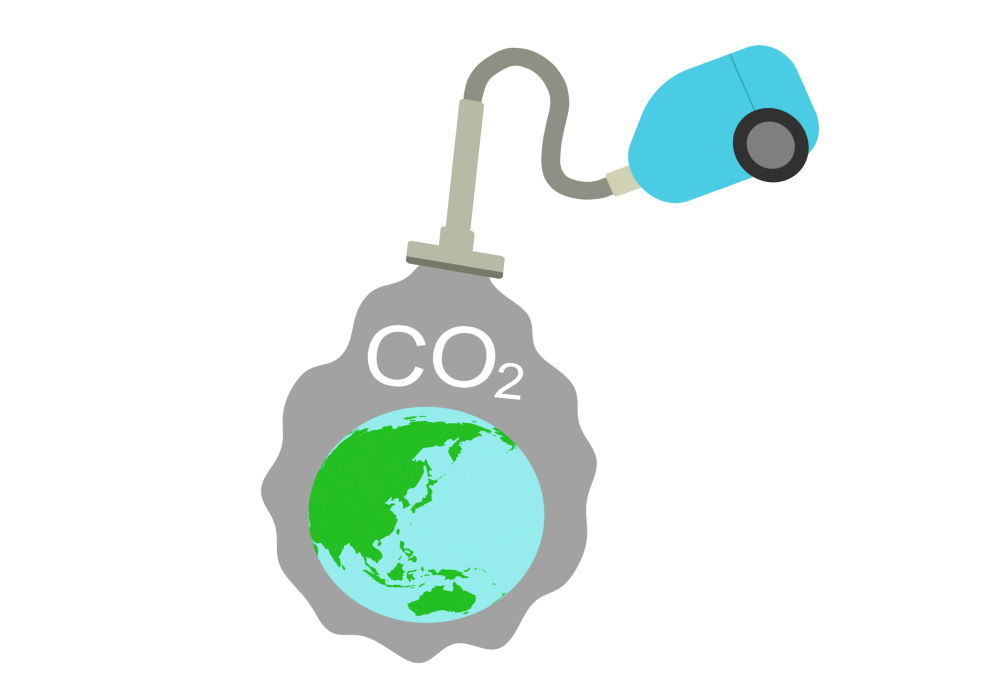
Scientists Develop Eco-Friendly Polymers for CO2 Capture and Enhanced Energy Technology

Researchers at Tohoku University have made a significant breakthrough in the synthesis of highly pure porous organic polymers (POPs) that could play a crucial role in combating climate change. These advanced polymers, due to their high porosity, have an exceptional ability to absorb carbon dioxide, making them ideal candidates for applications in reducing greenhouse gas emissions. The new synthesis method developed by the team overcomes previous challenges associated with metal impurities, offering cleaner and more efficient polymers for use in various environmental and energy-related technologies.

The traditional methods of synthesizing POPs involved oxidation reactions with metal salts or the use of organometallic catalysts in coupling reactions. These processes often left behind unwanted metal impurities that could block the polymers’ pores, decreasing their efficiency in capturing gases like CO₂. However, the research team at Tohoku University introduced a novel approach using iodine as an oxidant. This allowed them to completely remove impurities during the synthesis process, enhancing the overall purity and porosity of the polymers. The result is a highly efficient material with an exceptionally high specific surface area, far surpassing that of previously reported POPs.

In their study, published in Small, the researchers also highlighted the unique properties of the newly synthesized polytriphenylamine-based POPs. These materials not only show improved CO₂ adsorption capabilities but also exhibit proton conductivity and a unique gas adsorption mechanism known as the “gate-opening” phenomenon. This means the polymers could potentially be used in advanced energy solutions, such as fuel cells, where efficient gas separation and energy storage are critical. Additionally, these polymers could function as high-performance adsorbents in capturing pollutants from various industrial processes.

Kouki Oka, one of the lead researchers from Tohoku University, emphasized that the reduction in impurities directly enhanced the polymers’ porosity, which, in turn, significantly improved their ability to absorb CO₂. These advancements open the door to a wide range of applications in energy technology and environmental protection. With the potential to revolutionize gas separation techniques and contribute to cleaner energy solutions, these new polymers could become a key player in the global effort to reduce carbon emissions and develop sustainable technologies for the future.

WhatsApp Beta Unveils AI-Generated Group Icons and Meta AI Widget

WhatsApp is rolling out two exciting new features for beta testers on Android, aimed at enhancing user experience and integrating AI into its messaging platform. These updates are part of the company’s ongoing effort to make its app more intuitive and accessible. The first feature is an AI-driven group icon generator, which allows users to create unique group images using Meta AI. This will enable users to personalize their group chats even further, making it easier to set the perfect group icon that reflects the group’s theme or mood. It’s a fun way to refresh group visuals without having to manually search for images.

In the latest WhatsApp beta version (2.25.6.10), some testers have access to a new option that appears when they tap on the pencil icon on a group’s existing image. The new “Create AI Image” option lets users generate entirely new images using Meta’s AI technology, offering a quick and easy way to create custom icons based on specific prompts. This feature is still in the testing phase, so not all users will have access yet, but it’s expected to be rolled out to a wider audience in future updates.

Another significant update that WhatsApp beta users are experiencing is the introduction of a Meta AI widget. This new feature, available in the 2.25.6.14 beta update, allows users to add a shortcut to their home screen, providing direct access to the Meta AI chatbot. With this widget, WhatsApp users can interact with Meta AI without needing to open the app first, making the process much more convenient. It’s designed to streamline how users engage with the chatbot, helping them quickly get answers or support.

Both features are part of WhatsApp’s broader strategy to integrate more AI-powered tools into its platform, enhancing user experience while keeping the app fresh and engaging. While these features are currently limited to beta testers, they are expected to roll out to all users on both Android and iOS in the near future. This integration of AI tools could significantly change how users interact with their WhatsApp groups and use the app in general, making it an even more powerful communication tool.

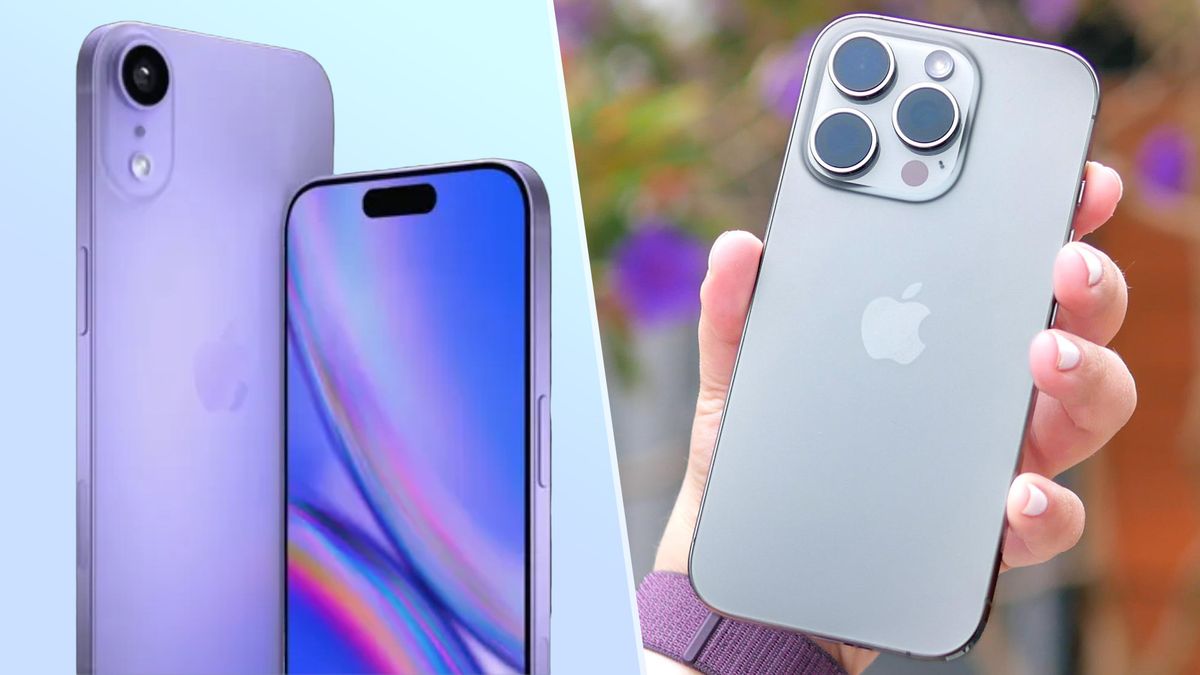
iPhone 17 Air Dimensions Leaked, Expected to Feature Slim Bezels Similar to iPhone 16 Pro Max

iPhone 17 Air Leak Reveals Slim Design and Comparable Dimensions to iPhone 17 Pro Max

The upcoming iPhone 17 Air is rumored to be Apple’s slimmest smartphone in recent years, with leaked details providing a glimpse into its design. According to a tip from renowned leaker Ice Universe, the iPhone 17 Air could be as thin as 5.5mm, making it even thinner than its contemporaries like the Samsung Galaxy S25 Edge, which is expected to debut next month. This slim design would be a significant departure from the bulkier smartphones Apple has released in the past, giving the iPhone 17 Air a more sleek and modern look.

The leaked dimensions reveal that, apart from its thinner profile, the iPhone 17 Air will have nearly identical length and width to the iPhone 17 Pro Max. Both devices are expected to have similar overall measurements, with the iPhone 17 Air and iPhone 17 Pro Max both standing at 163mm in height and 77.6mm in width. This would make the iPhone 17 Air just as large as the iPhone 16 Pro Max, though its slimmer design should offer a more comfortable and lightweight experience for users.

One of the most significant changes coming to the iPhone 17 Air is its display. The tipster claims that the iPhone 17 Air will sport a 6.9-inch LTPO AMOLED display, which is 0.2mm larger than the screen on the iPhone 16 Plus. The larger screen could offer improved visuals, along with the energy efficiency that comes with an LTPO panel, allowing for better battery performance. Additionally, the iPhone 17 Air is expected to feature the same slim bezels as the iPhone 16 Pro Max, further enhancing the device’s modern, edge-to-edge display appearance.

With these expected design changes, the iPhone 17 Air looks set to offer a combination of impressive screen size, slimmer form factor, and cutting-edge display technology. The anticipated similarities with the iPhone 17 Pro Max could make the iPhone 17 Air an attractive alternative for users looking for a more affordable, yet equally capable, model. As more details emerge, it will be interesting to see how this device stacks up against both its predecessors and its competitors.