
Microsoft Developing AI Reasoning Models to Rival OpenAI

Microsoft Developing AI Reasoning Models to Challenge OpenAI’s Dominance

Microsoft is reportedly developing its own artificial intelligence reasoning models, aiming to reduce its reliance on OpenAI and remain competitive in the growing AI landscape. According to a report from The Information, the Redmond-based tech giant has been testing out AI models from companies like xAI, Meta, and DeepSeek as potential replacements for OpenAI’s technology in its flagship products, such as Microsoft 365 Copilot. The initiative marks a significant step in Microsoft’s efforts to diversify its AI offerings and reduce dependency on OpenAI, despite their early collaboration putting Microsoft at the forefront of the AI race.

Since its partnership with OpenAI, Microsoft has gained a leadership position in the AI space, using GPT-4 technology to power its Microsoft 365 Copilot. However, the company has been looking to mitigate the risks associated with this dependence, which includes high costs and the need for greater flexibility in its AI product offerings. In a move to address these concerns, Microsoft has been working on integrating both internal and third-party AI models into its systems, aiming for a more cost-effective and diversified solution.

The development of the new AI models, known internally as MAI, has been spearheaded by Microsoft’s AI division, under the leadership of Mustafa Suleyman. These models, according to The Information, perform nearly as well as OpenAI’s leading models and those from Anthropic on widely accepted AI benchmarks. This suggests that Microsoft is making significant strides in AI reasoning, potentially positioning itself as a major competitor to OpenAI in the space.

The strategic shift is also in response to the competitive nature of the AI industry, where companies like Google, Meta, and others are rapidly advancing their own AI models. Microsoft’s new AI models could offer a compelling alternative to OpenAI’s technology, allowing the company to offer more tailored and cost-effective solutions to developers. If successful, these models could change the landscape of AI-powered products, including the popular Microsoft 365 suite, and strengthen Microsoft’s position as a leader in AI innovation.

Google Pixel 9a Design and Color Variants Revealed in Leaked Renders

Google Pixel 9a Design and Colour Options Leaked Ahead of Launch

The Google Pixel 9a, the company’s upcoming mid-range smartphone, is expected to launch globally in the near future, according to recent reports. The device has been spotted online ahead of its official release, with tipster Evan Blass (@evleaks) sharing several design renders and marketing images. These leaks provide a clear look at the Pixel 9a’s design, colour options, and key features. The smartphone has already made an appearance on the US FCC website, and it is expected to support satellite connectivity, offering a new dimension to its connectivity options.

In the leaked design renders, the Pixel 9a is shown to sport a dual rear camera setup without the raised camera module that has become a hallmark of other models in the Pixel 9 lineup. The design appears to be sleeker and more streamlined, with the rear panel and sides of the device shown in detail. The Pixel 9a is expected to come in four colour options: Iris (Purple), Obsidian, Peony, and Porcelain. The renders showcase all four colours, with a notable visual featuring water droplets on the rear panel, likely hinting at the device’s IP68 rating for dust and water resistance. This feature is expected to set the Pixel 9a apart from other mid-range competitors.

Beyond the design, the marketing images leaked by Blass also reveal several key features of the Google Pixel 9a. These images hint at the integration of Google Gemini with apps such as Google Calendar, which could enhance the user experience by making it more seamless across Google’s ecosystem. In addition to these software features, the Pixel 9a is expected to come with improvements to the camera, as well as exclusive Pixel ecosystem features like Pixel drops, which could provide users with timely updates and enhancements.

The Pixel 9a seems poised to offer a solid blend of design, functionality, and advanced features, making it an attractive option for those seeking a more affordable entry into the Google ecosystem. With its reported satellite connectivity and IP68 rating, it may also stand out as a well-rounded device in the mid-range smartphone market. As the official launch draws closer, more details are likely to emerge, but the leaks have already set the stage for what could be an exciting release.

Samsung Galaxy S25 Edge: Leaked Details on Price, Display Size, and Weight Ahead of Release

Samsung Galaxy S25 Edge: Leaked Price, Display Size, and Weight Details Ahead of April Launch

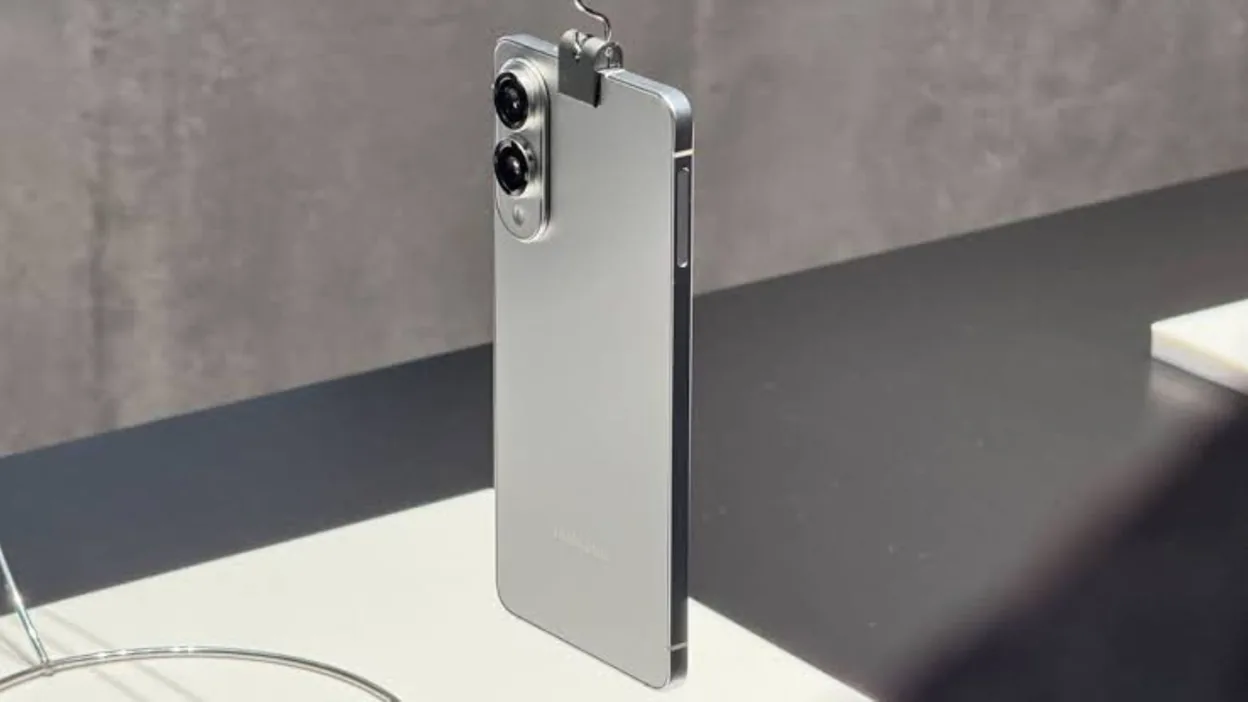
The highly anticipated Samsung Galaxy S25 Edge is set to make its global debut in April, with the company offering a glimpse of the device during the recently concluded Mobile World Congress (MWC 2025). Ahead of the official launch, tipsters have leaked crucial details about the smartphone, including its display size, expected price, and weight. The Galaxy S25 Edge is expected to be powered by the latest Snapdragon 8 Elite chip, though it will feature a smaller battery compared to the Samsung Galaxy S25+ model, which was unveiled earlier this year in January.

According to a post by reliable tipster Ice Universe on X (formerly Twitter), the Samsung Galaxy S25 Edge’s pricing will closely mirror that of the Galaxy S25+ model, which launched alongside the Galaxy S25 Ultra. If the information proves accurate, the Galaxy S25 Edge is expected to retail at around $999 (approximately Rs. 87,150). This places it in the premium segment, competing with other flagship devices on the market.

The display size is another key detail that has surfaced ahead of the launch. The Galaxy S25 Edge will feature a 6.65-inch display, which is slightly smaller than the 6.7-inch screen on the Galaxy S25+ model. However, the S25 Edge is expected to feature narrower bezels, bringing its design closer to the sleek, almost bezel-less aesthetic of the Galaxy S25 Ultra. This smaller yet efficient screen design aims to deliver an immersive user experience while maintaining a compact form factor.

While the price and display size are now largely known, other aspects such as the weight of the Galaxy S25 Edge remain unclear. However, given its expected design and feature set, it is likely to be a lightweight and slim device, aligning with the trends seen in recent Galaxy models. As we approach the official launch, more details are expected to emerge, shedding light on additional features like camera specifications, battery life, and software enhancements.